
Surat’s Locho Has a Walk-In Room in Juhu
Samyukta Nair, of London’s Jamavar, opened Makaan with Karan Shah of the Swati Snacks family. Fifty-eight seats, no reservations.
- locho
- gujarati
- juhu
- mumbai
Locho arrives too soft to cut. In Surat it is breakfast: steamed chana dal scooped into a bowl with butter, sev, and onion. The Gujarati word means a mistake. Surat tells it as a khaman that took on too much water, and then never left the breakfast stalls.
Makaan started serving that bowl in Juhu on October 20. Samyukta Nair opened the room with Karan Shah. Her grandfather, Captain C.P. Krishnan Nair, founded The Leela hotels. Her father, Dinesh Nair, opened Jamavar at the Leela Palace in Bengaluru in 2001, and in 2016 the two of them brought it to Mount Street in Mayfair. That London restaurant holds one Michelin star. Makaan is the first she has opened in India.
She was born in Chennai and spent her early school years in this neighborhood, eating at Gujarati friends’ houses where there was always room for one more at the table. She has said the cooking on the card is his.
Shah is the nephew of Asha Jhaveri, who ran Swati Snacks in Tardeo until she died in June 2025. He worked beside her there from 2017. That queue is where a lot of Mumbai learned panki, a thin pancake steamed between banana leaves, and fada ni khichdi, broken wheat cooked the way a khichdi is. Both are on this card. He had left Swati and was on a break in London when Nair’s father suggested they open a place together. Their families have known each other for years. They looked for two years before taking the ground floor of Amar Mahal, on A.D. Road near Chandan Cinema.
Shah says Surat is full of locho stalls and Bombay has none. Ghatkopar already has Surti counters. In Juhu you can sit down for the snack next to the panki and fada ni khichdi people already cross town to eat at Swati.
Ask for the locho while it is hot. Left on the table, it goes dull. The other snack he wants people to try is pudla, a besan pancake from the stalls at Zaveri Bazaar and from home tawas. For something to tear, satpadi roti is the layered wheat bread, served with gatta shaak, gram-flour dumplings in a gravy. Vatana muthiya, a steamed pea cake, comes with a mint roti.
He has described a Gujarati home meal as many dishes from very large bowls. The plates here are smaller, so a table can keep going. Ponk, the sweet young sorghum, belongs to winter, so an October visit may miss it. Purple yam, surti papdi beans, and tender green tuvar come and go with the market.
The cold drinks are pudina chaas, limbu pani (salted lime), sugarcane juice, and tender coconut. There is also a kala khatta gola, sour crushed ice. Afterward, the soft serve comes in shrikhand, the sweet strained yogurt, or kesar pista.
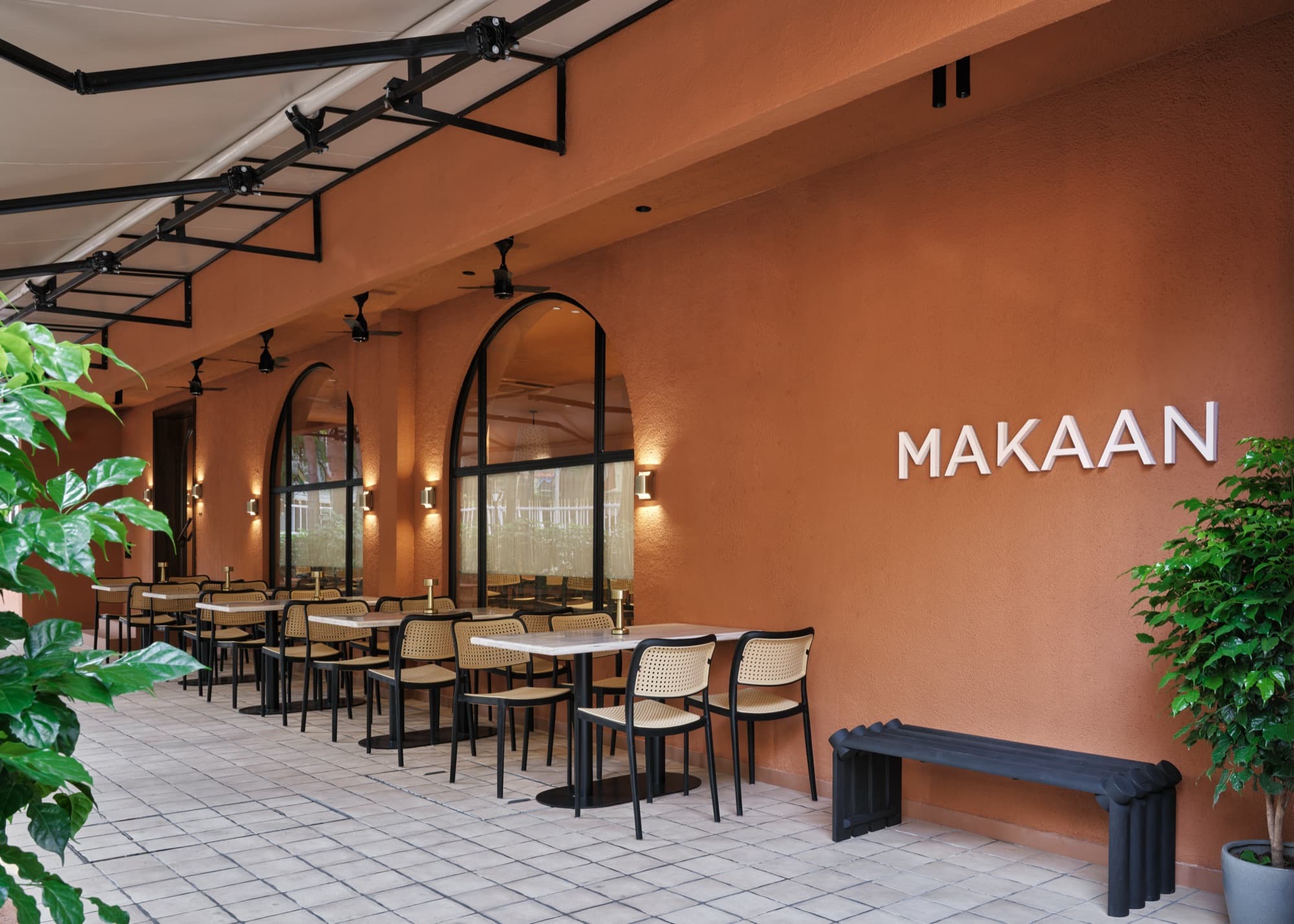
The room has 58 seats, some inside and some on the terracotta terrace, with cane chairs under the arches. The room is vegetarian, with no bar and no reservations. The hours they have posted run from 11 a.m. to 11 p.m. If the terrace is full, you wait. Start with the locho. For the thali these snacks sit beside, read Gujarati Thali Logic: Dal, Bhaat, Rotli, Shaak.