
Navratri Fasting Foods: What Counts as Farali
A practical guide to farali ingredients, regional fasting rules, and meals built from sabudana, rajgira, kuttu, and moraiyo.
- navratri
- fasting
- gujarati
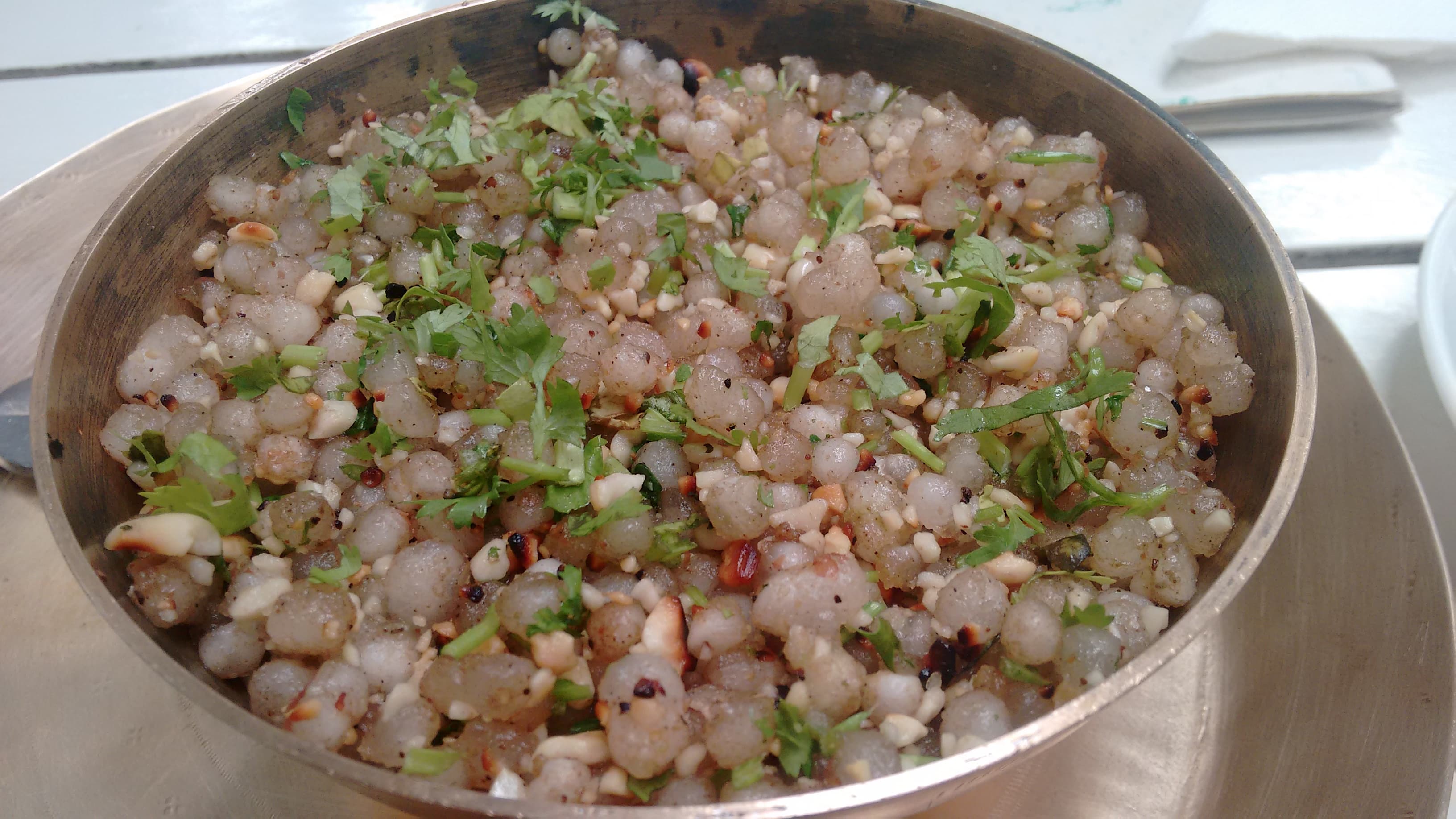
This guide explains the pantry commonly called farali in Gujarat and vrat ka khana in much of North India. It can help you plan a fasting day, but it cannot replace the rules followed by your family or religious community. Navratri observance changes by region, sect, household, and the form of fast a person has undertaken.
Navratri is more than one food tradition
The autumn Sharad Navratri is the most widely visible of several Navratris; Chaitra Navratri falls in spring, while Magha and Ashadha observances are often called Gupt Navratri. Even during Sharad Navratri, food practice is not uniform. Some people fast on the first and last days, some for all nine, and others do not fast.
Regional festivals also follow different food logics. Gujarati garba nights and North Indian vrat meals overlap, but they are not identical. Bengali Durga Puja is a season of feasting and may include fish or meat. Tamil Navratri commonly includes sundal made from legumes, ingredients that many North Indian fasting households would avoid.
Vrat, upvas, and farali
Vrat refers to a religious vow or observance; upvas or upavasa commonly refers to fasting or abstinence. Phalahar literally points toward fruit-based eating. Gujarati farali and Marathi pharal now describe a broader pantry of foods accepted during particular fasts.
A common North and West Indian pattern removes ordinary grains, pulses, onion, garlic, meat, eggs, alcohol, and standard table salt. Sendha namak, or rock salt, is often used instead. That working rule still has many exceptions: households differ on turmeric, hing, mustard seed, tomatoes, sesame, curry leaves, cooking oils, and whether salt is used at all.
The working farali pantry
- Sabudana: tapioca pearls made from cassava starch, used in khichdi, vada, and kheer.
- Rajgira: amaranth seed or flour for rotis, puris, sheera, and laddoos.
- Kuttu and singhada: buckwheat and water-chestnut flours used for breads, batters, and halwa.
- Sama, samak, moraiyo, bhagar, or varai: regional names used for barnyard millet preparations that stand in for rice.
- Potato, sweet potato, yam, and permitted gourds: the base of shaak, curries, patties, and chaat.
- Fruit, dairy, peanuts, other nuts, coconut, and makhana: useful for adding texture and substance where household rules allow them.
Sabudana is a useful reminder that fasting traditions continue to change. Cassava came to India through early modern crop movement and was promoted in Travancore in the nineteenth century. Tapioca pearls later became one of the most recognizable fasting foods in western India. Familiarity does not always mean antiquity.
How Gujarati and North Indian fasting tables differ
A Gujarati farali table may include moraiyo khichdi, farali kadhi, bateta nu shaak, farali pattice, sabudana khichdi, rajgira preparations, and peanut-rich chevdo. In North India, kuttu or singhada puris, vrat ke aloo, sama rice, fruit, and dairy are especially familiar. Maharashtra shares sabudana khichdi and vada, bhagar or varai, potato, peanuts, and yogurt with both neighboring traditions.
A practical day of farali meals
For breakfast, pair fruit with yogurt and nuts, or make a modest portion of sabudana khichdi. Lunch can be moraiyo khichdi with farali kadhi and cucumber. Roasted makhana, fruit, milk, or a small bowl of chevdo works as a snack. For dinner, serve rajgira or kuttu roti with potato-and-gourd shaak and yogurt.
Many farali staples are starch-forward. Where permitted, yogurt, paneer, milk, peanuts, nuts, and vegetables can make meals more sustaining. Refrigerate soaked sabudana and dairy dishes promptly, and avoid health claims about fasting as a detox or metabolic reset. Anyone managing diabetes, pregnancy, kidney disease, or medicines should seek individual clinical and religious guidance before changing meal timing.
Sources and further reading
- Encyclopaedia Britannica: Navratri
- The Hindu: The history of the Navratri vrat thali
- IGNCA Vadodara: The journey of garba
- The Hindu: How tapioca came to Travancore
- FSSAI: Food storage and transportation guidance