
Festival Hub · Diwali
Diwali Hub: Sweets, Snacks, and the Hosting Calendar
A working guide to Diwali food prep — what to make ahead, what to buy, and how to pace a week of guests.
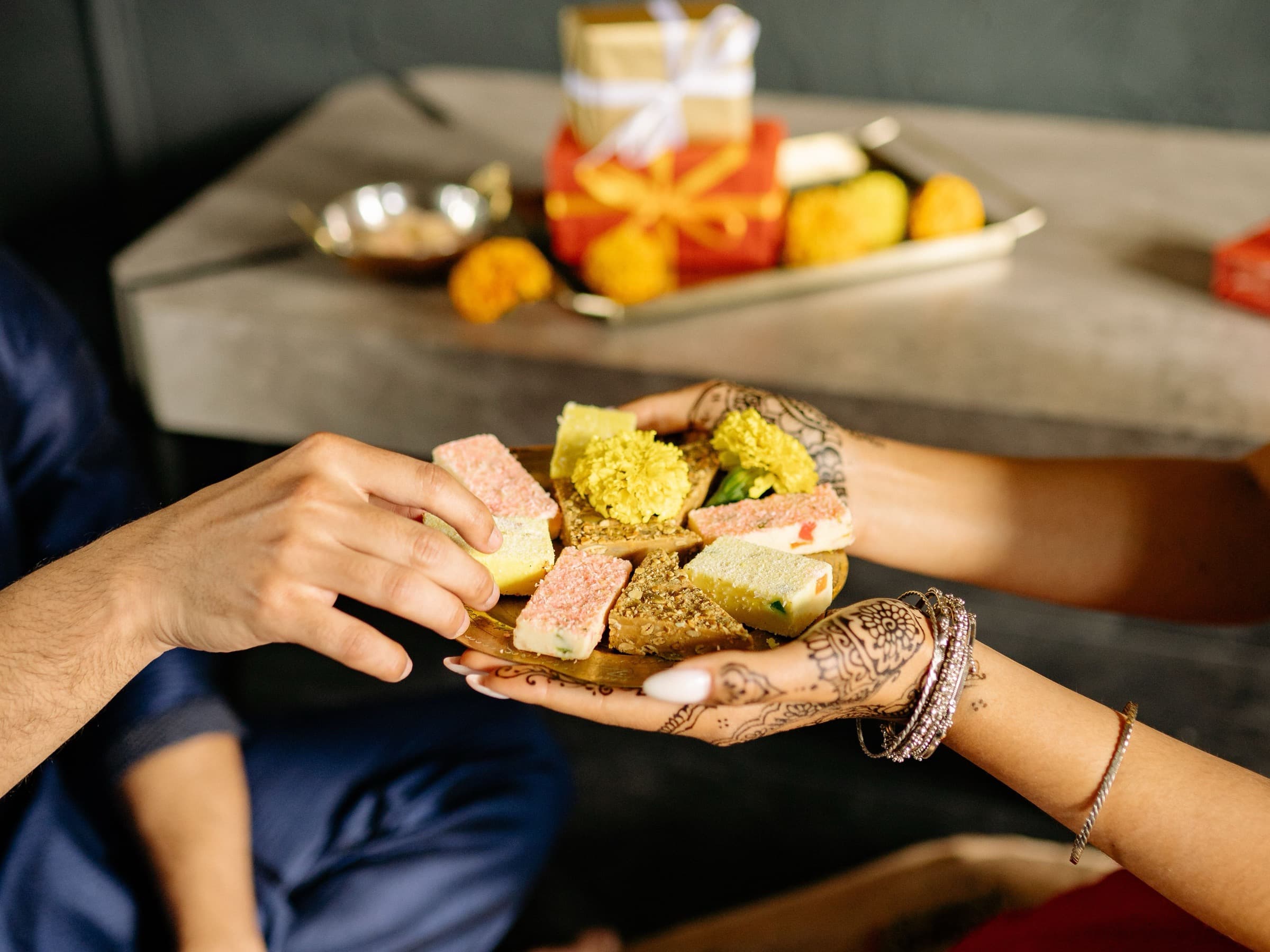
This hub helps you decide what to make, what to buy, and when to do each job. Begin with the day your household actually observes, then work backward. Diwali and Deepavali encompass related calendars and traditions, each with its own food customs.
First, identify your festival calendar
A familiar northern sequence runs from Dhanteras through Naraka Chaturdashi or Chhoti Diwali, the new-moon night associated with Lakshmi Puja, Govardhan Puja or Annakut, and Bhai Dooj. Gujarat places major emphasis on Bestu Varas, the new year after the new moon. Maharashtrian calendars may begin with Vasubaras and continue through Padwa and Bhau Beej.
Tamil Deepavali often centers a pre-dawn oil bath, new clothes, and breakfast on Naraka Chaturdashi. Goa also foregrounds Narakasura and several preparations of fov, or flattened rice. Bengal’s corresponding new-moon observance is Kali Puja. Jains commemorate Mahavira’s nirvana, Sikhs observe Bandi Chhor Divas, and Nepal’s Tihar follows its own five-day sequence. These observances overlap in season without becoming interchangeable.
Choose a regional starting point
Maharashtrian Diwali faral may bring together chakli, poha chivda, karanji, shankarpali, ladoo, anarsa, and shev. Gujarati households and shops add mathiya, chorafali, farsi puri, ghughra, mohanthal, and other farsan and mithai. Tamil bakshanam might include murukku, thenkuzhal, ribbon pakoda, adhirasam, jangiri, or ukkarai. Karnataka contributes regional combinations of holige, Mysore pak, kodubale, and nippattu.
Goan families prepare fov with potato, milk, coconut milk, curd, or coconut and jaggery. Bengali Kali Puja tables may include narkel naru, tiler naru, sandesh, khichuri, or household meat dishes. Mathri, shakarpare, besan ladoo, pinni, panjiri, kheel, and batashe are familiar across parts of the northern plains. Few of these foods belong exclusively to Diwali; their meaning comes from the household and occasion in which they are made.
Make one meaningful thing, then buy strategically
A practical split is one family sweet, one forgiving dry savory, and purchased specialist mithai. Karanji, naru, adhirasam, holige, or a household ladoo carries memory. Chivda, mathri, or shankarpali can be made ahead. A trusted halwai can handle technically demanding or labor-intensive sweets such as motichoor ladoo, jangiri, kaju katli, or consistent Mysore pak.
Dry nut-, pulse-, and grain-based sweets travel better than rasmalai, kalakand, basundi, or fresh chhena sweets. Collect wet dairy mithai close to serving time and refrigerate it according to the shop’s instructions. Ask about milk, wheat, peanuts, tree nuts, sesame, soy, egg, and shared equipment. “Sugar-free” still requires an ingredient label and does not mean low-carbohydrate.
A seven-day kitchen calendar
- Day −7: confirm the household calendar, guest count, dietary needs, puja offerings, gifts, shop orders, storage tins, and refrigerator space.
- Day −6: buy dry staples, ghee, spices, nuts, seeds, packaging, and labels.
- Day −5: make sturdy fried savories such as mathri, chakli, kodubale, or shankarpali; cool them completely before sealing.
- Day −4: make chivda, sev, mixture, and sturdy sweets such as besan ladoo, pinni, or date-and-nut rolls.
- Day −3: prepare moderately keeping sweets and pack only shelf-stable gift components.
- Day −2: collect dry mithai, prepare chutney bases or masalas, wash serving ware, and write an allergen key.
- Day −1: collect fresh dairy or chhena sweets, refrigerate promptly, and portion covered backup platters.
- Hosting day: cook the foods that depend on freshness, set out small quantities, and replenish from properly held reserves.
Build gifts and a table that hold up
For a gift box, combine one regional sweet, one dry savory, and a small nut or dried-fruit component. Keep wet mithai away from crisp snacks, use food-safe dividers, and add preparation date, storage directions, and allergen notes. Recipient preferences matter more than a generic luxury assortment.
For visitors, organize the table in three layers: dry snacks and drinks on arrival, a short meal that reflects the host, and one fresh plus one dry sweet. Small platters reduce waste and limit the time food spends at room temperature. Label vegetarian, vegan, Jain, onion-and-garlic-free, and gluten-free foods accurately; those categories are not substitutes for one another.
Freshness and food safety
Buy milk sweets from an FSSAI-registered or licensed business and check the packed-on date, best-before date, ingredient list, and storage directions. Keep cold food at 4°C/40°F or below and hot buffet food at 60°C/140°F or above. Refrigerate perishables within two hours, cool cooked rice and curries in shallow containers, and discard frying oil that foams heavily, smokes unusually early, darkens markedly, or smells rancid.
Sources and further reading
- Government of India: 2026 holiday calendar
- Incredible India: Diwali
- Sahapedia: Diwali’s origins and evolution
- The News Minute: Different Deepavali feasts in Tamil Nadu
- FSSAI: Guidance for traditional milk products
- FDA: Serving safe buffets
Make Ahead
Snacks and sweets that hold for guests
Celebrate
Diwali Snack Platter: Mix, Match, and Buy Smart
A composition guide for mithai-adjacent hosting — what's worth making, what's worth buying.
July 22, 2026
Celebrate
Diwali Sweets Quantity Planner
Guest count in, mithai box math out — plus what to make vs buy.
March 10, 2026
Hosting Setup
Table, tea, and the guest flow
Home
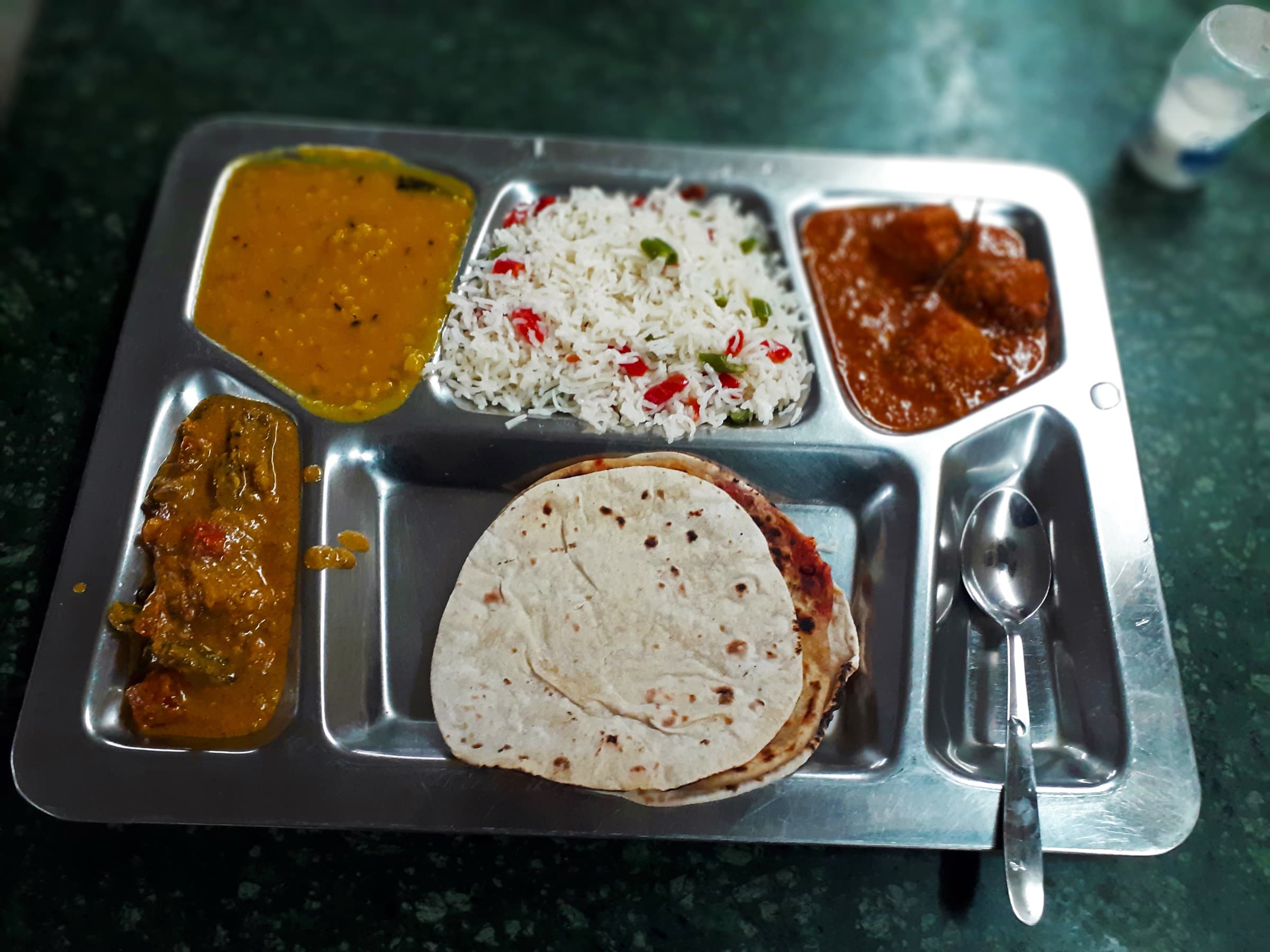
Hosting a South Asian Dinner Without a Full Meltdown
Menu pacing, make-ahead dal, and the case for serving rice last.
July 22, 2026
Spice Desk
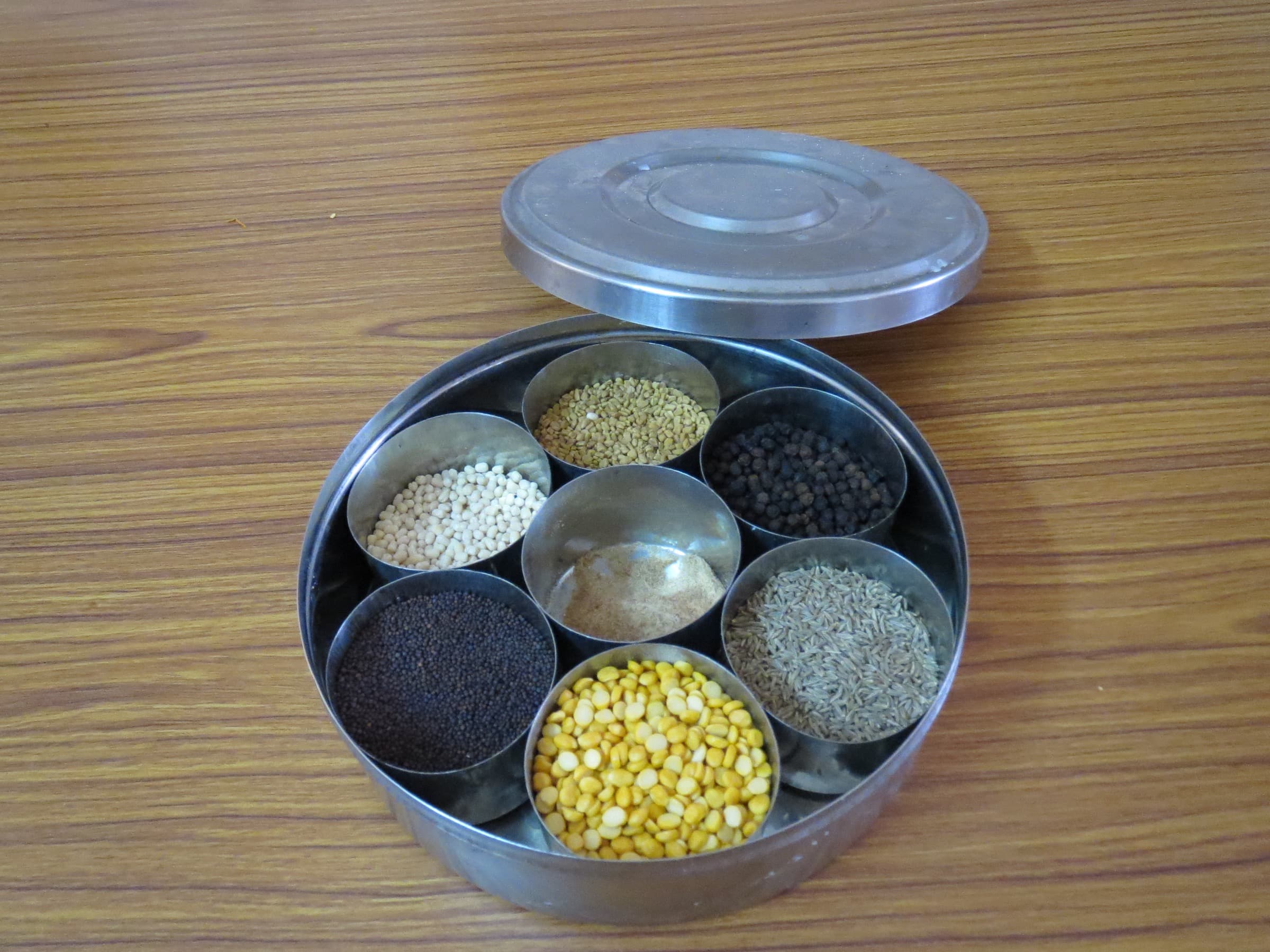
Building a Masala Dabba That You'll Actually Use
Seven slots, infinite opinions — a practical guide to the spices worth keeping at arm's reach.
July 21, 2026