
Guru Purnima: Cook for Whoever Taught You the Kitchen
Ashadha’s full moon is for teachers, not for a loaded thali. Why the day favors khichdi and sweets as dakshina, and how to aim the meal at the person who taught you to cook.
- guru-purnima
- festival
- khichdi
- hosting
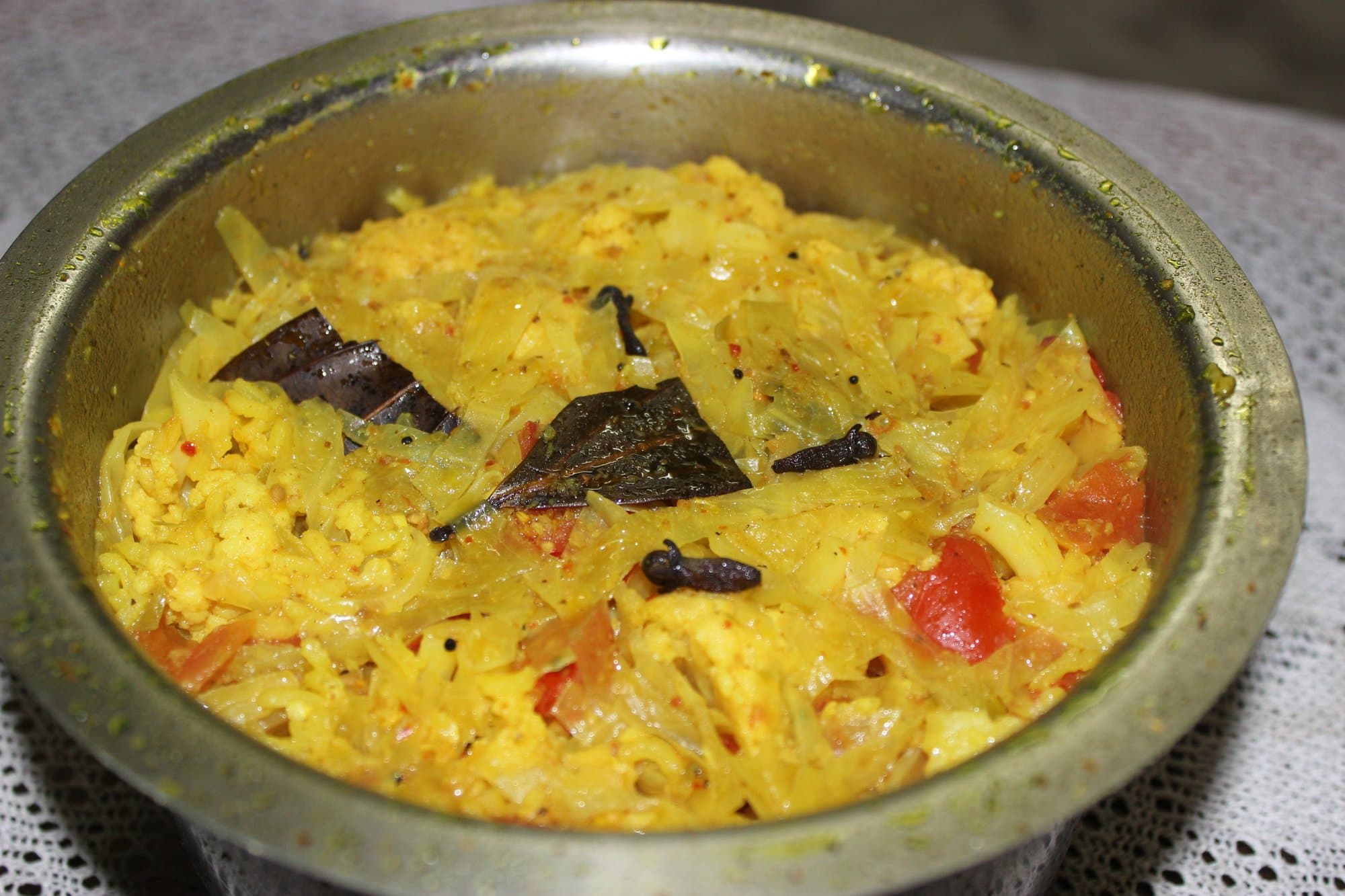
Most festival pages on this site start with a guest list. Guru Purnima does not. On Ashadha’s full moon, the point is gratitude for teachers, not a loaded thali. This guide is for cooking on a day that stays deliberately small: a sattvic plate, a sweet offered as dakshina, and a meal aimed at whoever taught you the kitchen.
One full moon, several lineages
Guru Purnima falls on the full moon of Ashadha (June to July). In 2026 it is Wednesday, July 29 in India. Hindus also call the day Vyasa Purnima, after the sage traditionally credited with compiling the Vedas and composing the Mahabharata. Buddhists mark the same full moon for the Buddha’s first sermon at Sarnath, often called the turning of the wheel of dharma. In Jain remembrance, the day is linked to Mahavira accepting Gautama Swami as his first disciple. Nepal observes it as Teachers’ Day in schools.
Those are parallel meanings on one calendar date, not one shared theology. What they share for the cook is simpler: respect travels through presence, service, and food that does not compete with the teaching.
Why the feast stays home
Diwali wants mithai towers. Onam wants a banana leaf that keeps filling. Eid wants biryani for visitors. Guru Purnima asks for the opposite posture. Many households keep a light fast or eat a vegetarian, sattvic meal: no onion or garlic, mild spice, food that digests easily in monsoon heat. The restraint is part of the observance. A quiet plate is not a failed celebration.
Khichdi shows up often for that reason. Rice and dal cooked soft, finished with ghee, sometimes yogurt on the side, reads as humble and complete. Households differ: some keep fruit, milk, and curd through the day and eat a fuller meal after evening prayers; others serve khichdi, a simple vegetable, and a small sweet. Treat local and family custom as the rule, not a recipe blog’s list.
Dakshina is not a party platter
Guru-dakshina is the offering a student brings the teacher: fruit, flowers, sweets, cloth, books, money, or service, given according to means. It answers what cannot be bought. In older gurukul stories the gift might be firewood; today it is often a box of mithai, a bowl of kheer or halwa, or panchamrit made from milk, yogurt, ghee, honey, and sugar, offered first and then shared as prasad.
If your teacher is far away, charity aimed at a student who needs food or books carries the same spirit. The kitchen’s job is to make something clean and intentional, not to impress a table of guests.
Cook for the person who taught you the kitchen
Spiritual and school teachers belong on this day. So do the people who taught you heat, salt, and timing: a parent who showed you how to wait for the tadka, an aunt who corrected your roti, a line cook who made you taste before you plated. The festival language is older than restaurant brigades, but the bond is familiar. Knowledge that lives in the hands is still knowledge.
A working menu for that intention:
- Moong dal khichdi with ghee, soft enough to eat without ceremony.
- One mild vegetable: bottle gourd, zucchini, or spinach, cooked plain or with cumin and ginger if your household allows.
- Yogurt or buttermilk on the side.
- One sweet as dakshina: kheer, sooji halwa, or a small box from a shop you trust.
- Fruit and water ready if someone is fasting until evening.
If you cannot cook with that person, cook their dish. Make the dal the way they tempered it. Call them while the ghee heats. Send the mithai. The day is about transmission, not performance.
What to do this week
For July 29, 2026, decide whom you are thanking before you shop. Buy rice, moong, ghee, and one sweet. Keep the guest list short or empty. If you want technique behind a soft dal finish, read What Is Tadka?. If monsoon fasting food is already on your mind, Navratri farali guidance covers related ingredients, even though the calendars differ.
Sources and further reading
- Encyclopaedia Britannica: Guru Purnima
- Wikipedia: Guru Purnima
- News18: Guru Purnima 2026 date and rituals
- Prokerala: Guru Purnima dates