
Why Diwali Sweets Cost More This Year
Milk, ghee, butter, and sugar went up. Sweet makers are raising some prices, absorbing others, and racing Diwali on November 8.
- diwali
- mithai
- dairy
- ghee
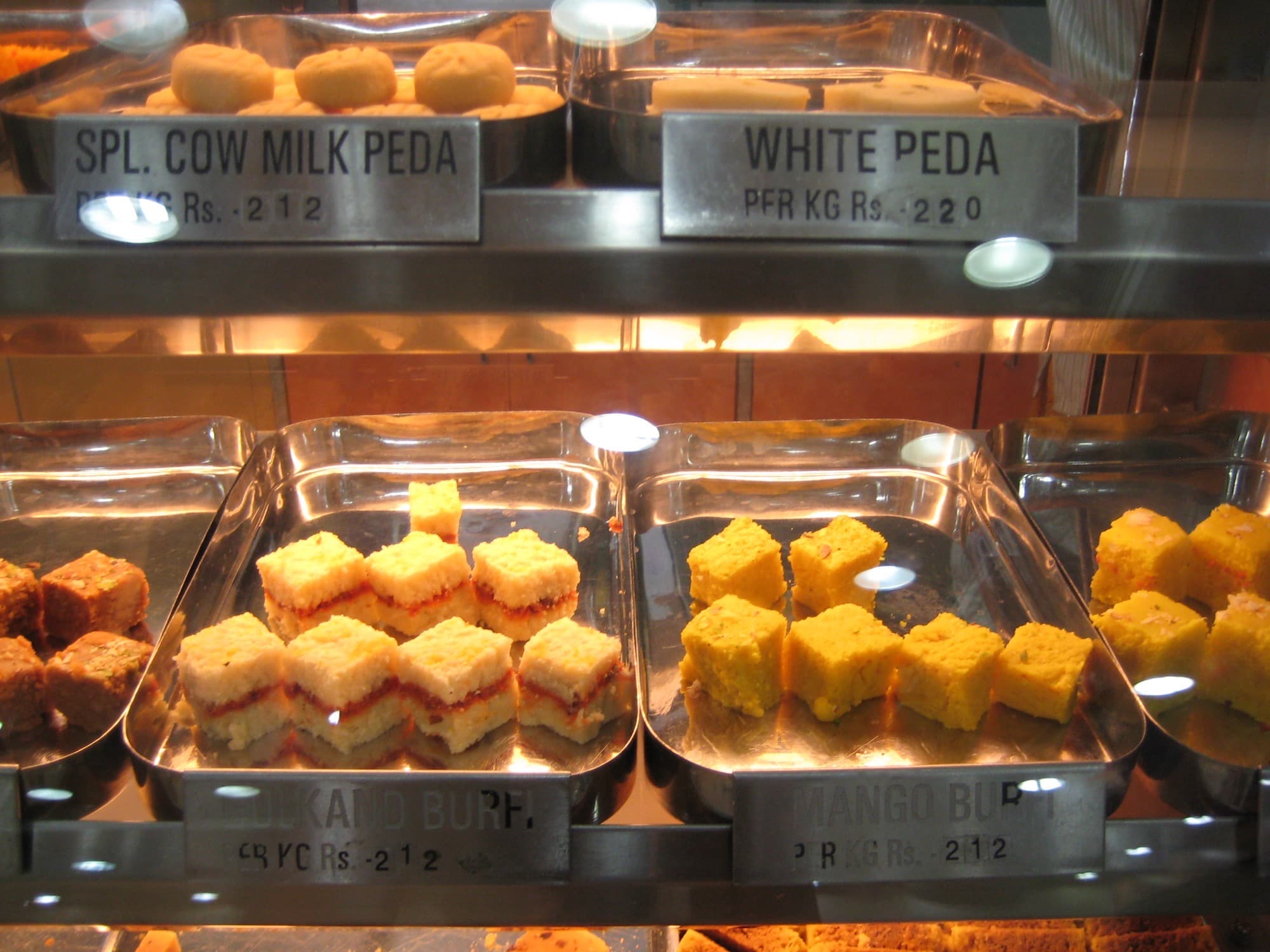
Diwali is November 8 this year. If you are already thinking about a mithai box, budget a little more patience and a little more money. Milk, ghee, butter, and sugar have gotten costlier through the summer and early fall, and sweet makers across India are deciding how much of that rise lands on the customer before the festival rush.
For organized sweet brands, the festive stretch can make up about 35 percent of the year’s sales. That is why this matters now, weeks before Lakshmi Puja trays go out the door. Different houses are answering the same math in different ways.
Who is raising prices, and who is holding
Vadodara’s Jagdish Farshan, the 88-year-old Gujarati farsan and sweets house, says butter and ghee procurement costs are up about 10 to 15 percent from last Diwali. Milk, sugar, dry fruits, and packaging moved higher too. Managing director Aakash Kandoi says the company plans roughly a 10 percent retail increase this festival. Ghee-heavy and nut sweets such as kaju katli and Mysore pak are likely to rise most. The house says it will absorb about 10 percent of the cost jump and locked dairy and dry-fruit contracts earlier than usual.
Other brands are refusing a big pass-through. Sweet Bengal, the Kolkata-origin confectionery line under Speciality Restaurants, has seen input costs climb about 25 to 30 percent, mostly from milk. Anjan Chatterjee says the brand plans only a 1 to 2 percent price rise and will absorb most of the rest. Milk-heavy Bengali sweets made with khoya, kheer, and malai cost more to produce than cashew pieces do. Bengaluru’s Lal Sweets reports butter, ghee, and sugar costs up about 12 to 15 percent. Founder Prateek Athwani says consumer prices will stay put for now.
Bikaji, the listed snacks-and-sweets company, has already raised prices twice in recent months, then said it would hold the line through Diwali. CFO Rishabh Jain has pointed to higher edible oil and dal costs, plus sugar procurement running about 20 percent above levels from a few months earlier. Smaller shops feel the math faster. Jaipur’s Tyohaar Sweets said the cost of making mawa-based and Bengali-style mithai rose from roughly $2.60–$3.10 a kilogram to about $4.15 a kilogram as milk and sugar climbed, with only limited 5 percent retail hikes so far.
Why ghee and butter got expensive
The squeeze is less about total milk volume and more about milk fat, the cream that becomes butter and ghee. Heat stress and tighter fodder can cut butterfat even when overall milk production looks fine. Ranjith Mukundan, who runs dairy-technology firm Stellapps, has said cooperative farm-gate prices for fat have risen in recent months. He expects butter and ghee to stay firm through Diwali, then ease only as winter yields improve, likely from January to March.
You can see that on the cooperative shelf. Karnataka’s Nandini brand raised ghee and butter prices from July 24: about $7.40 for a one-liter ghee sachet, and about $3.20 to $3.40 for a 500-gram butter pack, depending on salted or unsalted. Amul and Mother Dairy earlier lifted fresh milk by a couple of rupees a liter nationwide in May. When fat is scarce, the sweet shop competes with home kitchens and restaurants for the same cream.
What to watch when you buy
India’s food regulator, FSSAI, told states on September 29 to intensify checks on sweets, milk products, ghee, khoa, paneer, namkeen, and oils through Navratri and Diwali. Festival demand always raises the risk of adulterated dairy and unsafe sweets. Expect more sampling in busy markets. Buy from shops you trust, ask how milk sweets are stored, and read labels on packed boxes.
Some makers are booking fat earlier, adjusting blends, or quietly trimming how much goes in a pack. Lal Sweets says it is not shrinking packs. Others are pushing new flavors and younger formats, from flavored soan papdi to chocolate-leaning pieces. In cities, gift baskets already split between mithai, dry fruit, and chocolate. The tray still matters. It just costs more to fill, and it has more company on the gift table.
If you are ordering or assembling a Diwali box, plan for milk-solid and ghee-heavy pieces to run higher than last year, and place orders early while shops still have stock. For building a smart festival tray, see Diwali Snack Platter and the Diwali hub. For the brand that said it would raise festival prices about 10 percent, see Jagdish Farshan’s funding story.
Further reading
- Diwali Snack Platter: Mix, Match, and Buy Smart
- Diwali hub
- An 88-Year-Old Gujarati Farsan Brand Just Raised Its First Big Check
- The Snack Brand Already in Your Indian Grocery Aisle Just Opened Its First U.S. Restaurant in Texas
- Why Navratri Cooking Uses Rock Salt, Not the Salt in Your Shaker
- Goldsea: Pooja Bavishi and Malai’s South Asian desserts
- Goldscene: Diwali 2026 events across North America