
Why Navratri Cooking Uses Rock Salt, Not the Salt in Your Shaker
Sendha namak seasons vrat food when the everyday shaker is off-limits. Sharad Navratri starts around October 11, and the grocery confusion starts earlier.
- sendha-namak
- rock-salt
- navratri
- fasting
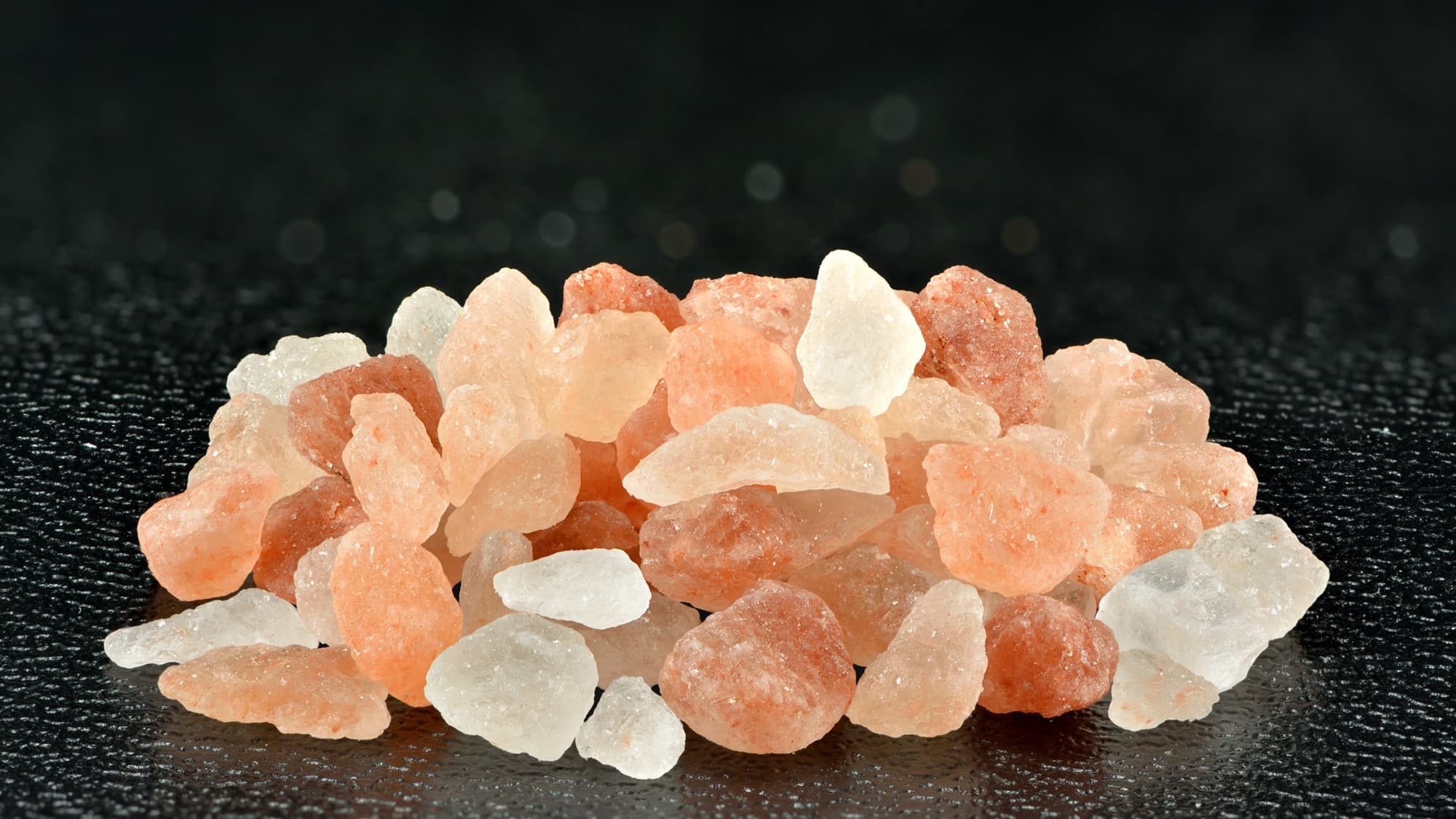
Vrat ke aloo starts with potatoes and sendha namak, the coarse rock salt sold for fasting. The everyday shaker stays shut. Sharad Navratri, the autumn nine nights many North and West Indian households treat as a fasting season, runs around October 11 to 20, 2026, ending near Dussehra. Confirm the dates with the calendar your family uses. By then the Indian grocery aisle will already be full of people holding three kinds of salt and guessing.
Sendha namak is rock salt: sodium chloride mined underground, crushed, and packed with little refining. Older Sanskrit names call the preferred kind saindhava lavana, salt tied to the Sindhu country along the Indus. Much of North India’s supply historically moved through the Salt Range and the Khewra mines, now in Pakistan, which is why some elders still say Lahori namak. When refined table salt is off the list, this is what goes into farali food.
The shaker that sits out the fast
Households differ. No temple pamphlet covers every kitchen. A common North and West Indian pattern during Navratri and other vrats sets aside ordinary grains, pulses, onion, garlic, meat, eggs, alcohol, and table salt. Rock salt counts as a mined mineral used closer to its natural form. Table salt is refined, often iodized, and sometimes mixed with anti-caking agents. For many families, that processing puts it outside the fast. Packaged chaat masala can fail the same check even when the spices look right.
Sendha namak is still mostly sodium chloride. A pink crystal does not change that. Iodized table salt carries iodine that rock salt usually lacks. Nine days of sendha is ordinary festival practice. The rest of the year, especially around children and pregnancy, iodized salt is still the everyday default. If you manage thyroid disease, ask a clinician before you change salt habits for longer than a short vrat.
Kala namak and the pink jar
Kala namak, black salt, starts as rock salt and gets roasted with charcoal and other materials until it smells sulphurous, almost eggy. That smell finishes fruit chaat, chaat masala, and many raitas. In sabudana khichdi, most vrat cooks want a mild salt, so strict kitchens often leave the black jar alone. Ask at home before you shake it in from habit.
Himalayan pink salt in American aisles is usually rock salt from the same family. A plain packet with no additives can work for vrat. A pink jar with herbs, smoke flavor, or anti-caking agents may not. Prefer a bag labeled sendha namak, saindhava, or rock salt for fasting from an Indian grocery when you can. Coarse crystals dissolve slower than table salt. Crush a pinch between your fingers, or grind a little, then taste.
Cook one familiar plate with it first: sabudana khichdi, potato with kuttu or singhara puri, sama rice, or roasted makhana. Salt only with sendha. Skip chaat masala, bottled blends, and restaurant takeout unless you have checked every ingredient. For the wider farali pantry, and for Gujarati tables versus Bengali Durga Puja feasting, which does not follow this salt rule, use our Navratri fasting guide.
Buy the sendha this week if the shelf still has it. Keep iodized salt for ordinary cooking. After the fast, put the rock salt back with the festival pantry.