
Garam Masala Is a Careful Blend, Not One Spice
Cardamom, cinnamon, clove, pepper, and whoever else made the cut. The jar is someone’s finished recipe under a generic label.
- garam-masala
- spice-blends
- fundamentals
- spice-literacy
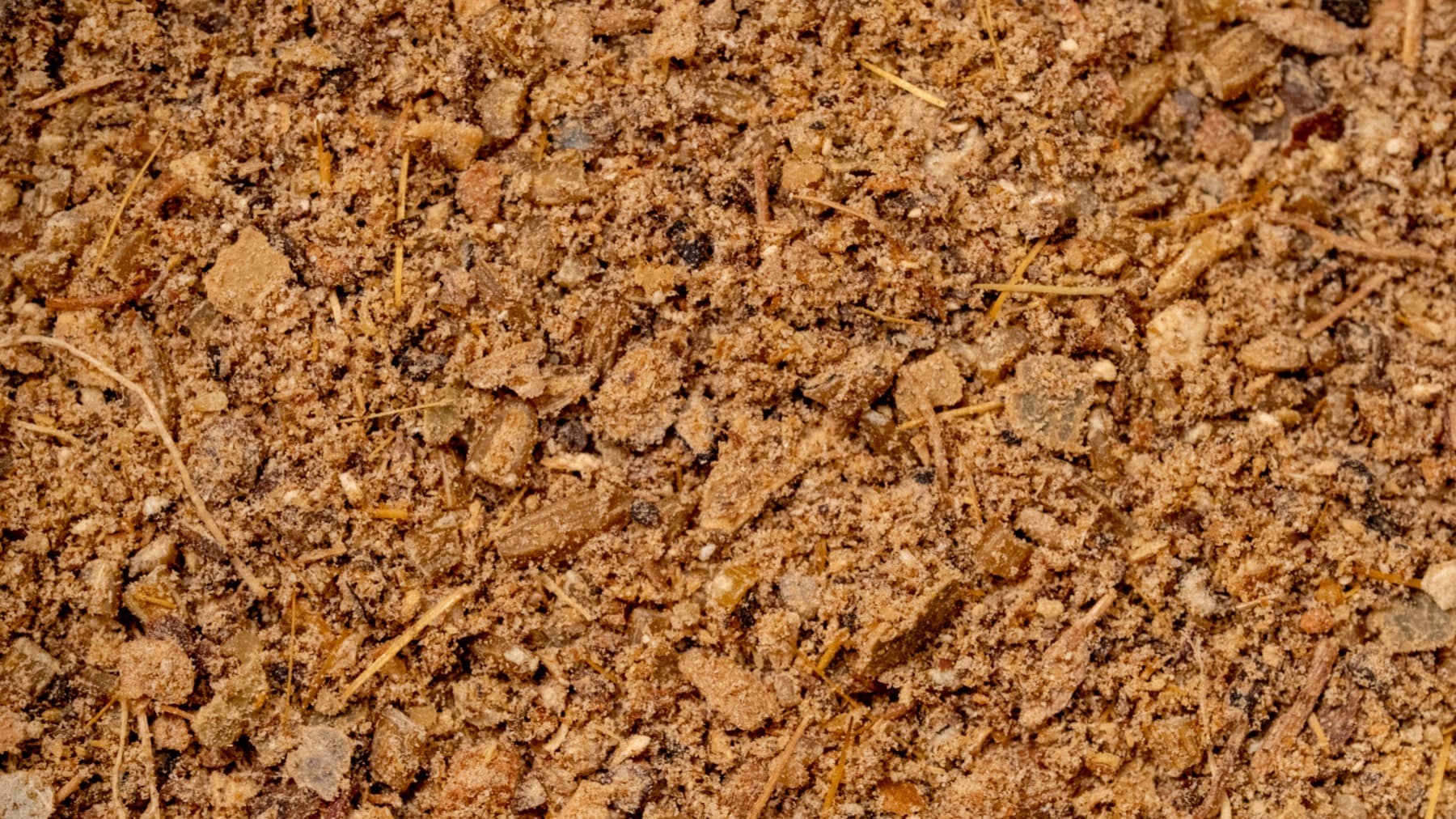
Garam masala often sits on the grocery shelf next to cumin and turmeric, in the same small jar. The shape suggests one spice. Open it and you get a careful blend: whole warm spices, toasted and ground so they finish a pot together.
This page is about what usually goes into that blend, why every household’s jar smells different, and when to add it so the aroma still matters.
Warm mix, not chili heat
In Hindustani, garam masala means warm spice mix. The warmth is the aromatic kind cooks mean by cardamom, clove, and cinnamon, not the burn from chili. A typical jar leans on green cardamom, dalchini (cinnamon or cassia bark), clove, and black pepper. Cumin, coriander, tejpat (Indian bay leaf), mace, nutmeg, black cardamom, and fennel join often. How much of each is the real recipe.
Some kitchens keep the blend floral and cardamom-forward. Others push clove and pepper until it smells sharper. Plenty of shop jars load cumin and coriander until the powder tastes closer to an everyday cooking mix. The word on the lid is a category. When you spoon from the jar, you are cooking with someone else’s ratios.
Every kitchen rewrites it
There is no one correct jar. In many Bengali and eastern kitchens, a short garam masala of cardamom, cinnamon, and clove is enough. Punjabi and other North Indian blends often run longer, with mace, nutmeg, or black cardamom joining the usual warm spices. Kashmiri-leaning mixes may favor fennel and dried ginger (sonth) and stay lighter on heavy commercial cumin.
Maharashtrian goda masala lives nearby on the shelf for many home cooks. It is also a finishing blend, but with its own cast, including stone flower and other regional notes. Treat it as a cousin, not a swap for a Punjabi garam masala.
Shop packets vary even more. Some are warm and bright. Some are mostly cumin and coriander with a little clove for show. Smell before you commit a spoon. If the jar smells flat or dusty, the blend is tired, no matter what the label says.
Add it late
Stir garam masala into dal, sabzi, or a meat curry in the last few minutes, or off the heat. The point is the perfume that rises when the powder meets warm gravy. Long boiling muddies it. Whole spices bloomed early in fat are a different job. Those build the base. The ground blend usually finishes.
- Weeknight dal or sabzi: a scant ¼ to ½ teaspoon at the end for a family pot, then taste.
- Richer meat curries: still late. Keep most of the aroma for the finish.
- Rice and biryani: whole warm spices in the pot are common; ground garam masala, if you use it, stays light so clove and cardamom do not shout.
- If cumin, coriander, chili, and turmeric already built the base, taste before stacking a heavy cumin-forward shop blend on top.
Buying, grinding, and lookalikes
A sealed shop jar is fine for weeknights. Buy a size you will finish while it still smells lively. Keep it airtight, cool, and away from the stove. Ground blends fade faster than whole seeds; many cooks refresh them within months. For a brighter batch, toast whole spices gently until fragrant, cool them, and grind only what you will use soon. Crack cardamom pods into the mix, or grind the seeds alone if you want less husk.
- Curry powder: a different British-export style blend, often turmeric-forward. Not another name for garam masala.
- Chaat masala: tart finishing dust built around amchur and kala namak. Same word masala, different job.
- Sambar or rasam powder: southern roasting logic with lentils and other spices. Do not swap them into a North Indian-style gravy and expect garam masala.
- A lone pinch of cinnamon, clove, or cardamom: useful, but not the balanced blend the label promises.