
The Tribeca Indian Room With a $43 Lunch Once Had a Michelin Star
Avtar Walia opened Tamarind in Flatiron in 2001. Eater went back to 99 Hudson Street on October 21. The Michelin star left in the 2015 guide.
- tamarind
- tribeca
- michelin
- new-york
The duck comes in a rice crepe. Tamarind calls it bataki kosha, and it is $20. Batak is duck. In a Bengali kitchen a kosha is meat and onion cooked until the sauce nearly disappears. This plate minces the duck with onion, ginger, garlic, and garam masala, then rolls it in the crepe.
Avtar Singh Walia opened the first Tamarind on East 22nd Street, in Flatiron, on January 1, 2001. The room at 99 Hudson Street, on the corner of Franklin Street, opened in April 2010. The uptown restaurant served through December 31, 2013, then closed because the building was going to be demolished. An anniversary dinner in June marked 25 years from the Flatiron opening. Hudson Street has been open for 16 years.
Walia was born in Abhyapur, a village in Punjab, and arrived in the United States in 1977. He worked as a captain at Tandoor, then managed Akbar on Park Avenue. In 1986 he was a co-owner of Dawat, on East 58th Street, where Madhur Jaffrey supervised the menu and taught the chefs her recipes. She had published An Invitation to Indian Cooking in 1973, and her BBC cookery series had run in 1982, before she supervised this menu. Read Madhur Jaffrey Learned to Cook from Her Mother’s Letters for the Delhi letters and the television kitchen.
For Flatiron he brought in Raji Jallepalli-Reiss, who owned Restaurant Raji in Memphis, as executive chef. She kept her home in Tennessee and came north to build the menu. On April 4, 2001, William Grimes gave the restaurant two stars in the Times. He wrote that Indian cooking in the United States had been narrowed to a tired list of standbys, and that this menu told you where a dish was from. She died in January 2002.
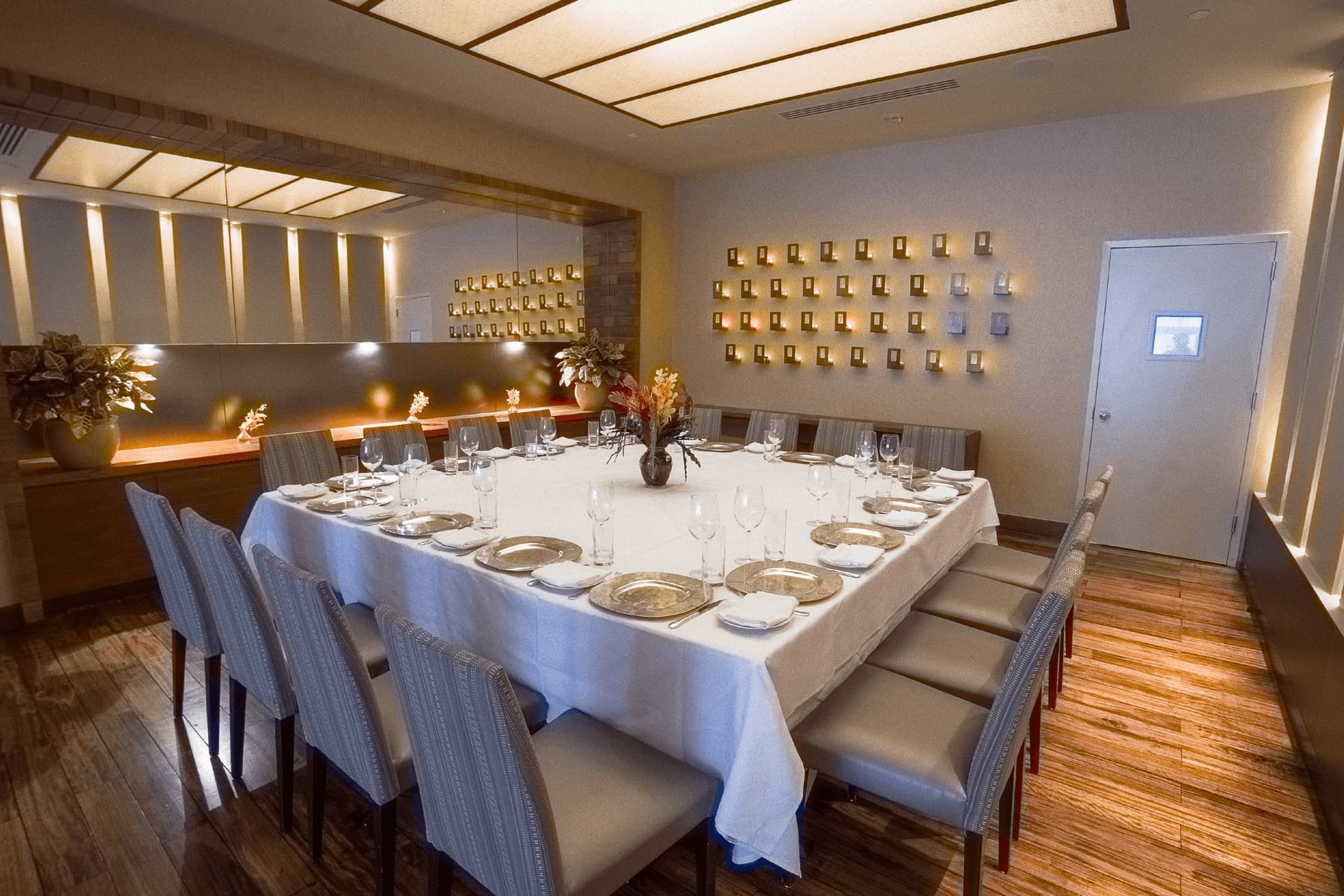
Sam Sifton was the Times critic when Hudson Street opened. His review, in August 2010, gave the new room two stars. He set it beside Devi, the Flatiron Indian restaurant Hemant Mathur and Suvir Saran had opened in 2004, and called Tamarind the best thing to happen to Indian food in Manhattan since that room. It is two floors and about 11,000 square feet, with 175 seats. A booth is the quieter table. You can also sit at the bar, or at a free-standing table.
Michelin put one star on Tamarind Tribeca in the 2012 New York guide and kept it through 2014. The 2015 guide removed it, and the current listing for 99 Hudson Street has no star. The restaurant’s website still describes the Flatiron original as a starred room. Semma, the Tamil restaurant in the West Village, received its star in 2022, a decade later. How Indian Food in America Got Michelin Stars So Fast follows Semma and the rooms around it.
Nadia Chaudhury ate there for Eater on October 21. With the duck crepe she had Dal-e-Tamarind, a black-lentil dal at $21, cooked with tomato and butter. If you make dal makhani at home, you will know the lentil. On this plate it stays firm. Paneer biryani is $28. The masaledar chop is $50, three or four bone-in pieces of lamb in yogurt with nutmeg and cinnamon. Dessert is gajrela, $15, carrots cooked down in milk the way a Punjabi kitchen makes halwa, with pistachios, cashews, vanilla ice cream, and a raspberry coulis.
The $43 lunch is the simpler meal. The prix fixe changes region every month, and the regular menu is there too. Ask which region is on the card before you order. Lunch is 11:30 a.m. to 3 p.m. every day. Dinner runs from 5:30 to 11:30 Sunday through Thursday, and until midnight on Friday and Saturday. The phone is 212-775-9000. The room takes reservations. Start with the duck crepe and the dal. Order the chop if the table wants one expensive plate.