
Festival Hub · Eid al-Fitr
Eid al-Fitr Table: Biryani, Sheer Khurma, and Guests
How South Asian households pace prayer, biryani, kebabs, sheer khurma, and a day of visiting.
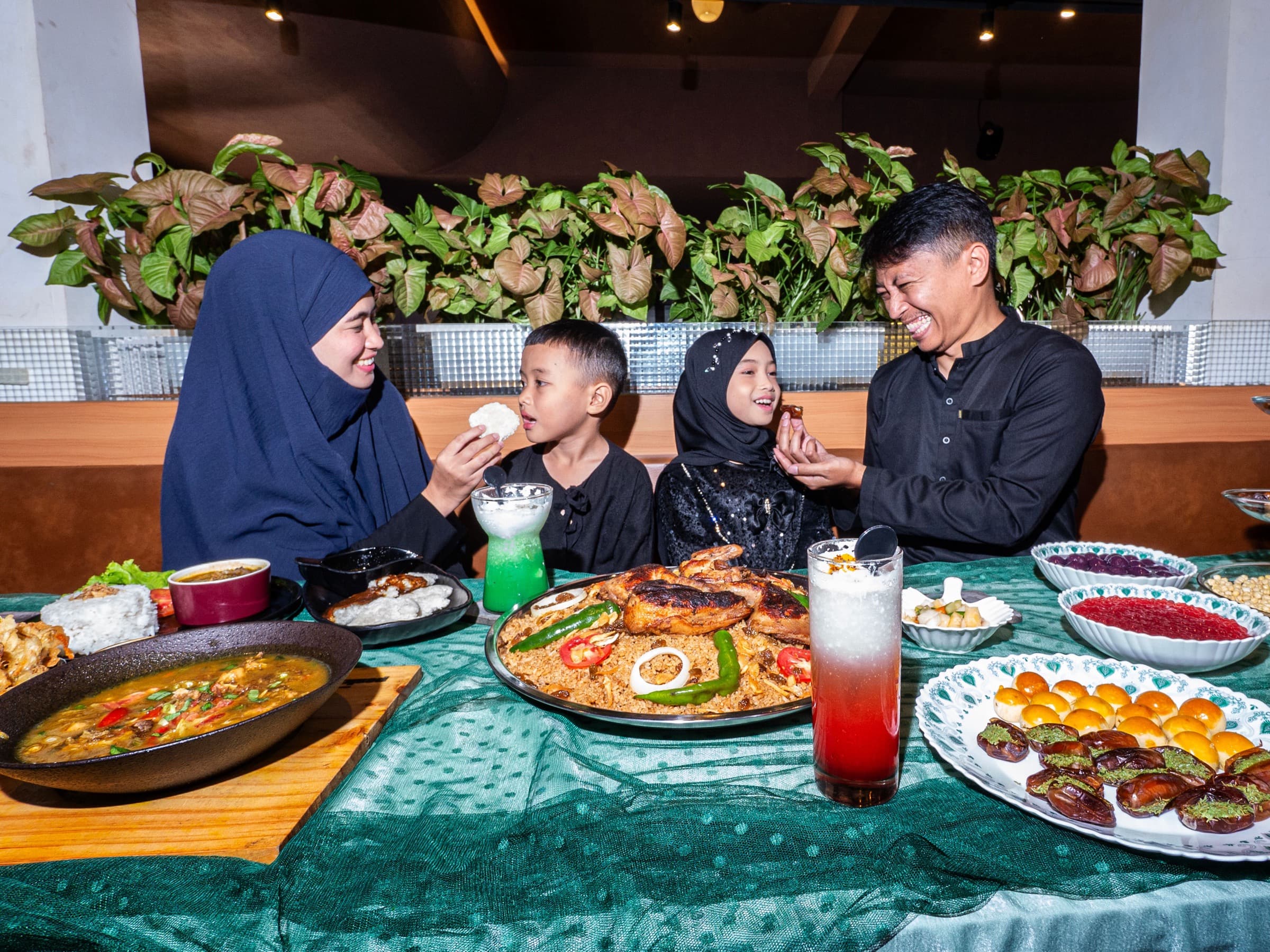
This guide focuses on Eid al-Fitr, the celebration that closes Ramadan, and on planning a South Asian table for prayer, visiting, and meals that may unfold across the day. Sheer khurma and biryani are useful anchors, but neither represents every Muslim household or region.
Start by naming which Eid
Eid al-Fitr begins on 1 Shawwal after Ramadan. Zakat al-Fitr is associated with the festival, and many people eat a date or another small food before the morning prayer. Eid al-Adha falls on 10 Dhu al-Hijjah during the Hajj season; udhiyah or qurbani and the distribution of meat shape many tables, and some people wait until after prayer to eat. Biryani, kebabs, sweets, and visiting can appear at either Eid as cultural practices.
From prayer to the first bowl
Eid prayer takes place after sunrise, often in multiple sessions where attendance is large. Some Eid al-Fitr mornings begin with dates at home, followed by prayer and a full breakfast. Elsewhere, the first substantial meal is lunch or an afternoon spread for visitors. Work backward from the prayer time and the way guests actually arrive rather than assuming one fixed Eid lunch hour.
Sheer khurma belongs to a wider seviyan family
Sheer khurma commonly combines roasted wheat vermicelli, milk, sugar, ghee, cardamom, dates or raisins, almonds, and pistachios. Saffron, coconut, khoya, rose water, kewra, or edible silver vary by household. It may be thin enough to drink or thick enough to spoon, and families serve it warm, at room temperature, or chilled.
Seviyan and shemai also name related sweets: syrupy qiwami or meethi seviyan, saffron-colored muzaffar, and Bangladeshi lachha or nawabi shemai. Rampur family accounts recall vermicelli made by hand; packaged seviyan is now entirely ordinary. The repeated claim that sheer khurma began in a Mughal court is difficult to support, so the useful description is a longstanding South Asian Muslim Eid preparation.
Choose a regional centrepiece
Lucknow and Rampur bring Awadhi rice traditions together with qiwami seviyan and muzaffar. Hyderabad is known for kacchi-style biryani, while haleem belongs especially to Ramadan rather than automatically to Eid day. Kolkata’s Muslim food landscape includes potato-and-egg biryani, rezala, and chaap. Karachi tables may draw from Sindhi or Memoni biryanis, kebabs, samosas, sandwiches, and sheer khurma.
Bangladeshi households may center polao, chicken roast, shami kabab, borhani, and several kinds of shemai. Malabar Mappila biryanis use jeerakasala rice and may feature meat, fish, or prawns. Dawoodi Bohra communal thaal dining and Kashmiri wazwan should stay identified as specific traditions. Vegetarian mains, catered food, and mixed regional menus are normal parts of contemporary and diaspora Eid tables.
Plan for the way guests arrive
Some families hold a sit-down meal; others keep food ready while relatives and friends move between homes. For a drop-in format, give a clear visiting window, place drinks away from the main food queue, and serve sheer khurma in small bowls because guests may eat at several stops. Reserve stable seating for elders and people with mobility needs, and keep shoes, children’s activity, and the serving route from competing for the same space.
A dastarkhan on the floor, a Bohra thaal, and a conventional dining table are distinct choices. If you use floor seating, offer chairs as an equal alternative. Accessibility is part of hospitality.
A workable cooking plan
- Two days ahead: confirm prayer and visiting times, dietary needs, seating, serving dishes, and refrigerator space.
- One day ahead: marinate meat, prepare fried onions or gravy bases, shape shami kebabs, toast vermicelli, and portion nuts.
- Before prayer: set out dates or another small first food, chill drinks, and keep the larger meal safely held.
- Closer to service: finish the biryani rice and dum, cook grilled kebabs in batches, and warm breads only as needed.
- During visiting: put out small platters, replenish from hot or cold reserves, and keep one labeled vegetarian main.
Keep the second serving safe
Hold hot food at 60°C/140°F or above and cold food at 4°C/40°F or below. Refrigerate perishables within two hours, or within one hour in temperatures above 32°C/90°F. Cool biryani and meat in shallow containers rather than leaving a full handi on the counter, and reheat leftovers to 74°C/165°F. Cooked rice needs particular care because Bacillus cereus spores can survive cooking and toxins formed during poor holding may resist reheating.
Label nuts, dairy, wheat, sesame, and heat level. Keep backup food refrigerated or properly hot, then replenish clean serving dishes instead of topping up an old buffet pan. Most cooked leftovers are a three-to-four-day proposition under refrigeration, not a week-long Eid supply.
Sources and further reading
- Encyclopaedia Britannica: Eid al-Fitr
- Fiqh Council of North America: Ramadan and Shawwal announcement
- BBC: Biryani’s regional evolution
- Scroll: Rampur Eid feasts and desserts
- The Daily Star: Bangladesh’s polao and roast
- USDA: Steps to keep food safe