
Brass vs Steel Serveware: What to Use When
Katori, handi, and thali — the serveware choices that affect heat retention and occasion.
- tableware
- brass
- steel
- hosting
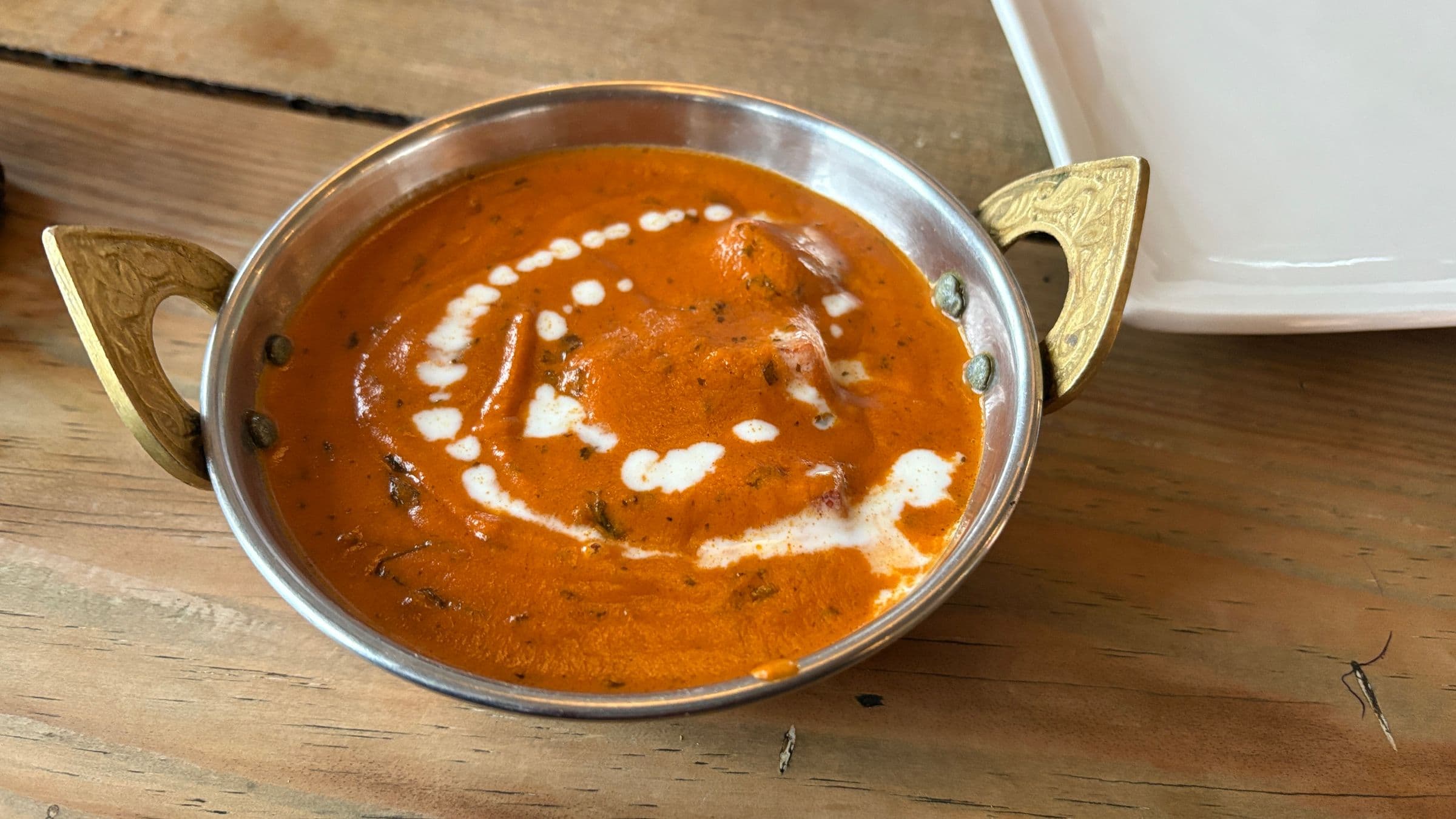
This page is a practical split between stainless steel and brass (pital) — with a short note on kansa — for thalis, katoris, tumblers, and serving bowls. It is about heat, acid, maintenance, and occasion, not a claim that one metal is healthier in a medical sense.
Stainless steel for everyday
Food-grade stainless is the diaspora default for a reason: it is durable, mostly non-reactive with tomato, tamarind, and lemon, and it survives dishwashers in most homes. Steel thalis and katoris heat and cool quickly; they are fine for weekday dal-rice and for stacking in apartment cabinets. Choose pieces thick enough not to warp; thin hotelware dents and stains faster.
Brass and kansa for occasions — with care
Brass (copper-zinc) shows up in festive thalis, serving bowls, and traditional cookware. Unlined brass can leach with acidic or salty foods — tomato, tamarind, curd, pickles — especially with heat and long contact, which is why many cooking vessels are tin-lined (kalai). For serving, keep contact short; store leftovers in steel. Kansa (copper-tin bronze) is a separate alloy traditionally used for dining plates. Unknown-source imported brass or aluminum cookware has also drawn lead-leaching warnings — prefer known food-grade pieces.
Maintenance that matches the metal
- Steel: mild soap, soft sponge, towel dry to limit water spots; dishwasher usually fine.
- Brass and kansa: hand-wash with mild soap; dry immediately. Dishwasher heat and detergent dull the finish and speed tarnish.
- Polish brass with lemon-and-salt or tamarind when you want the shine back; skip bleach and steel wool.
- Tin-lined brass cookware: do not scrub the lining off; re-tin when bare copper shows through.
- Store stacked metal with a soft cloth between pieces if you care about scratch rings.
What to use when
Weeknight thali and packed lunch: steel. Guest table or festival service where you want the warm metal look: brass or kansa you are willing to hand-wash. If you will not hand-wash, keep brass for display or pooja and serve on steel. Match the metal to how often you will actually clean it — unused brass that sits dull in a cabinet helps no one.
Sources and further reading
- Malacasa journal: Indian thali plates, metal vs ceramic
- Metro Unfold: Brass vs steel utensils
- SF & Sons: Brass and copper utensil FAQs