
Devon Avenue, Chicago: Little India Without the Flattening
West Ridge’s South Asian corridor — grocery anchors, Pakistani and Indian rooms, and how to walk it by job instead of nickname.
- chicago
- restaurant
- neighborhood
- grocery
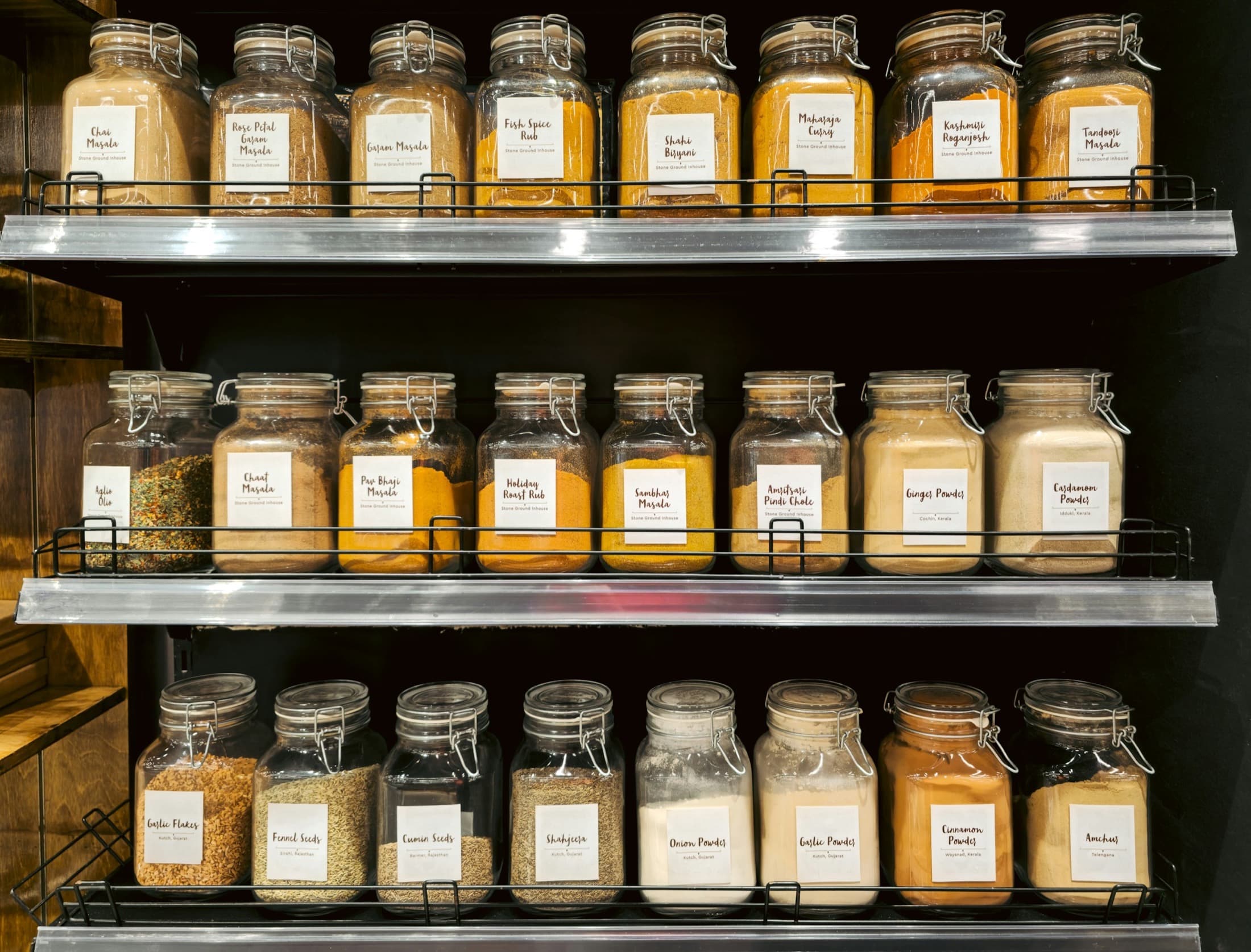
Devon Avenue in Chicago’s West Ridge is one of the Midwest’s densest South Asian commercial corridors: grocery, sweets, sari and jewelry, and a long run of Indian and Pakistani rooms. This page is a walking primer: how the strip took shape, how to read “Little India” without flattening it, and how to plan grocery plus a meal without treating every storefront as interchangeable.
What the corridor is
The South Asian stretch people mean when they say Devon is roughly the mile from about California Avenue west to Damen Avenue east, in West Ridge (often mixed in conversation with West Rogers Park). Honorary street names mark overlapping communities: stretches have been designated Gandhi Marg and Muhammad Ali Jinnah Way; Wikipedia and local reporting also note Golda Meir and Sheikh Mujibur Rahman designations elsewhere on Devon. Useful as orientation, not as a purity test of who “owns” the block.
Before South Asian retail densified here, the neighborhood was largely Jewish. Synagogues, bakeries, and community institutions remain part of the street. Assyrian and Middle Eastern shops appear as you keep walking; Devon is a layered commercial strip, not a theme park with one cuisine.
How it became a South Asian hub
After the 1965 Immigration Act, professionals from South Asia settled in the Chicago area with few dedicated groceries or restaurants. WBEZ’s Curious City reporting traces early difficulty finding vegetarian food and spices, then the arrival of sari retail (including Sari Palace) and groceries in the 1970s. Family-sponsored migration in the 1980s–90s filled storefronts as many Jewish businesses moved north or to the suburbs.
Patel Brothers opened near Damen and Devon in September 1974 as a small shop and later settled at 2610 W. Devon Ave. Block Club Chicago’s 2024 coverage of the chain’s 50th year places that Devon store as the origin of what became a national South Asian grocery company, with later suburban growth in places like Naperville and Niles as families moved out while still returning to shop.
Arrive and orient
CTA bus 155 runs Devon between Sheridan and Kedzie; other routes touch shorter segments. Many metro visitors drive or ride-share from the North Side or suburbs. Plan for weekend density: parking and sidewalks both tighten. Walk with a job in mind: grocery haul, chaat stop, sit-down karahi or nihari, sweets on the way out. Trying to “do all of Devon” as one dinner reservation misses how the street works.
Grocery is half the visit
Patel Brothers at 2610 W. Devon remains the landmark supermarket many Chicagoans mean when they say they are “going to Devon.” Public reporting describes spices, dals, produce, bakery counters, and a customer mix that includes Gujarati, South Indian, Pakistani, and non-South Asian shoppers. Specialty rooms matter too: Bangladeshi fish and pantry shops (Block Club cites Sundarbans among others) exist because one big Indian grocery does not cover every regional fish or achaar habit.
If you are shopping for a home kitchen, decide the cuisine job first (Gujarati weekday dal, Bengali fish, Pakistani BBQ marinades), then ask staff where that product lives. Labels in English help newcomers; aunties still navigate by brand and smell.
How to eat without flattening the strip
Pakistani sit-downs: nihari, karahi, BBQ boti, and late chai culture are a real Devon lane. Sabri Nihari (2502 W. Devon), founded in 1996, is one long-running illustration often cited for the namesake stew. Time Out and other Chicago coverage treat the oil/ghee layer on nihari as part of the dish, not a mistake. Karachi-style street formats (bun kabab, chaat, falooda, late hours) show up in other storefronts; confirm hours, especially for late-night rooms.
Indian regional rooms: look for Gujarati snacks and thali logic, Punjabi and North Indian tandoor/curry formats, and South Indian counters when you want dosa or tiffin. Do not assume every “Indian” sign cooks the same plate. Chaat cafés and mithai counters are normal mid-walk stops, not only dessert after a banquet.
Bangladeshi and other nodes: fish suppliers and Bangla grocery are part of why residents describe Devon as more than one nationality. Read the board and the language on the window.
Suburbs changed the math, Devon did not disappear
As South Asian households moved to suburbs, Devon became more of a destination strip for shopping and eating, while Patel Brothers and other chains opened larger suburban stores. That is the same pattern Toronto’s Gerrard strip shows: historic commercial corridor stays useful even when everyday density shifts. Use Devon for concentration and nostalgia; use suburban Desi retail when you live closer to Naperville, Niles, or similar nodes.
Sources and further reading
- WBEZ Curious City: How did Devon Avenue become Chicago’s Little India?
- Block Club Chicago: Patel Brothers 50 years on Devon (2024)
- NBC News Asian America: Patel Brothers origin on Devon
- Wikipedia: Devon Avenue (Chicago))
- Time Out Chicago: Sabri Nihari
- Sabri Nihari: about / address