
Kashmiri Chili: Color Without the Panic
The mild red chili prized for color in tandoori marinades and Rogan josh — not a heat shortcut.
- chili
- kashmiri
- color
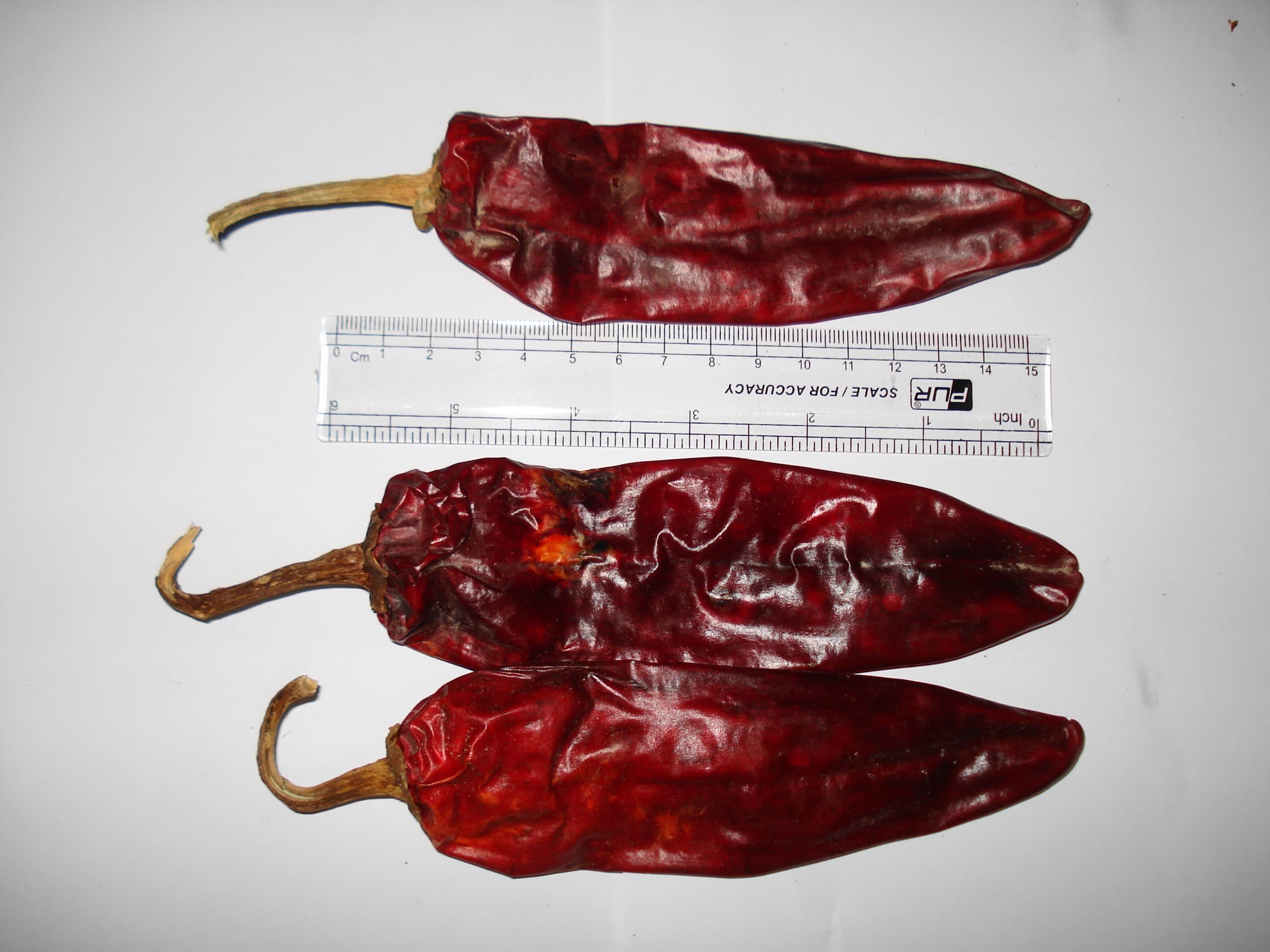
Kashmiri red chili (Kashmiri laal mirch) is bought for color first and heat second. This page is about what that means in the pan — tandoori marinade, Rogan josh–style gravy, pav bhaji red — and how to shop when the label and the heat do not match.
Mild heat, deep red
True Kashmiri-type chili is a Capsicum annuum variety grown mainly in Jammu and Kashmir and Himachal Pradesh (and elsewhere under the same market name). Traditional long-dried pods look wrinkled and can look brownish until you grind them; the pigment is concentrated enough to stain oil and gravy a deep red. Reported Scoville ranges for the variety sit roughly in the 1,000–2,000 SHU band — mild next to cayenne or many commercial “extra hot” powders. The American Spice Trade Association colour value often cited for Kashmiri chili is high (~54 ASTA), which is a lab way of saying it dyes well.
Whole pods vs powder
Whole dried pods keep longer and let you control the grind. Soak and blend them into a paste when you want bright color without dusty bitterness. Powder is the weekday form for marinades and finishing a gravy. Either way, bloom a small amount in fat or mix into yogurt — dumping a heap of raw powder into watery gravy can taste chalky.
- Tandoori-style marinade: powder or soaked paste for red without overwhelming heat.
- Rogan josh and similar Kashmiri Pandit / Kashmiri Muslim gravies: color from Kashmiri chili, with fennel, dried ginger, and other regional spices carrying the flavor.
- Street and snack red (pav bhaji, some chaat): cooks often reach for Kashmiri or Kashmiri-style powder for the look.
Byadagi and other stand-ins
Demand for the Kashmiri name outruns local supply, so Byadagi chili (Karnataka) and other mild, high-color varieties are commonly blended or sold as substitutes. For home cooking, that is usually fine if the jar is mild and red. What you want to avoid is assuming every bright red powder is gentle — or that “Kashmiri” on the tin guarantees origin.
A working substitute
If you are building a pantry from scratch: sweet paprika (or a mild smoked paprika only if you want smoke) plus a small pinch of cayenne or regular chili powder gets you color with adjustable heat. It will not duplicate Kashmiri chili’s exact fruitiness, but it keeps a marinade red without panic. Prefer a fresh jar — chili powder fades and can taste dusty after long pantry time.
Sources and further reading
- Wikipedia: Kashmiri red chilli
- Spices Board of India: Chilli
- Wikimedia Commons: Kashmiri Red Chilli.JPG