
India’s “Slow-Food Fast-Service” Brand Is Trying to Build a New Restaurant Category
1940 India by Azad opened a second Thiruvananthapuram room with a menu organized by diner identity. The test is whether that is a scalable category or clever branding over familiar QSR food.
- restaurant
- qsr
- kerala
- brand
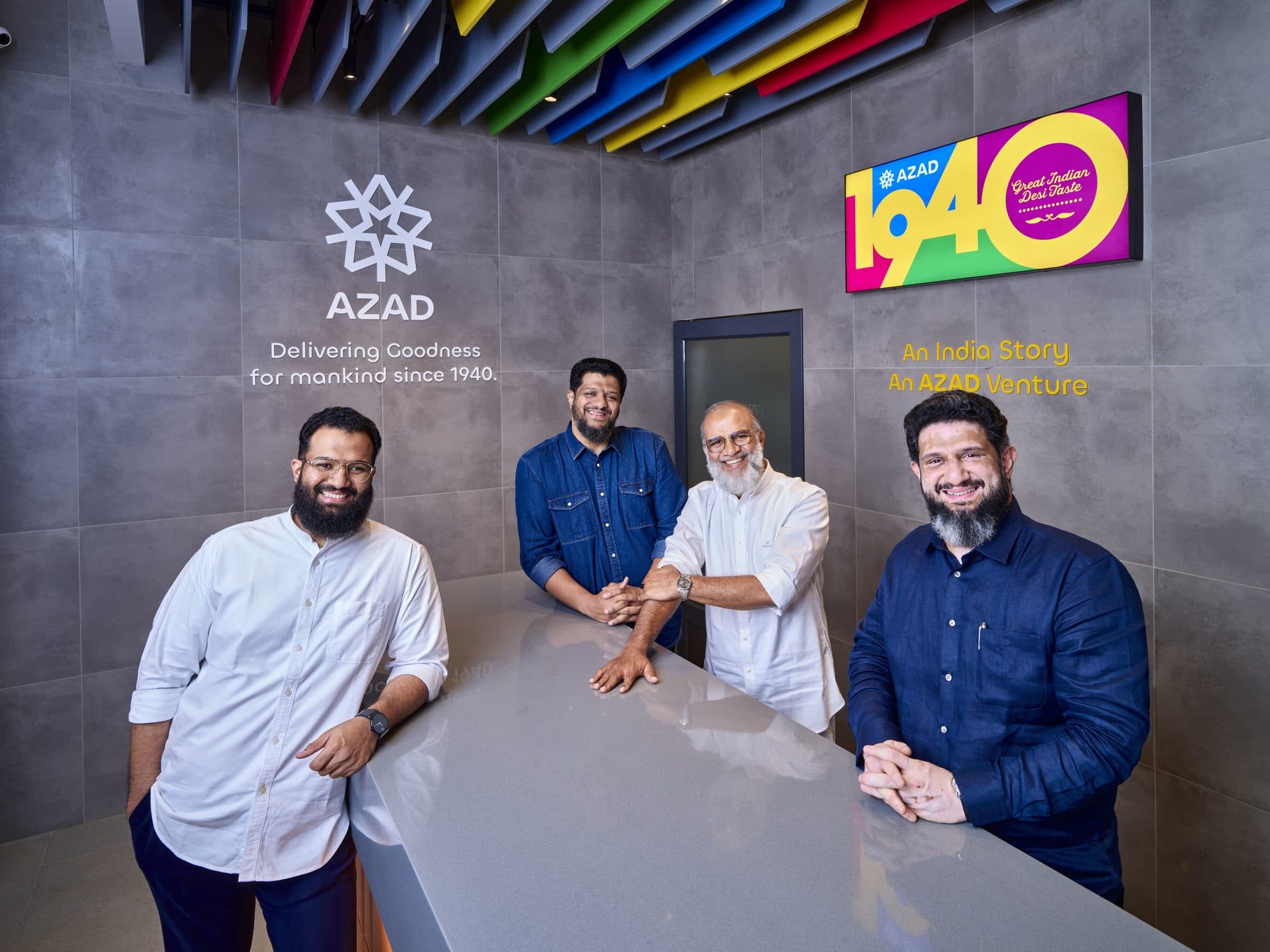
1940 India by Azad has opened a second outlet at Lulu Mall in Thiruvananthapuram, eight months after its first room at Vazhuthacaud. The brand calls itself India’s first “slow-food fast-service” ethnic restaurant chain, and it organizes the menu by diner identity rather than starters, mains, and breads. Sections such as I Am Young, I Am India, I Love Asia, and My Travancore, My Love are the hook. The sharper question is whether that framing is a real restaurant category, or a clever way to sell familiar Kerala and pan-Indian QSR food under a new label.
Azad Corporate House, the Thiruvananthapuram group behind the brand, dates its story to 1940, when Meeran Pillai Pareed Kunju opened a modest café and built a reputation on Travancore pakka biryani. He took the name Azad after Maulana Abul Kalam Azad, the independence-era leader. The house later grew into bakeries, fine dining, and other formats. Chairman Abdul Nazar Azad and managing director Nazeera Nazar lead the corporate umbrella formed in 2024; the next generation helped build 1940. The year in the brand name is their founding date, not a claim that every recipe stopped in 1940.
What “slow-food fast-service” means on the tray
The international Slow Food movement grew in Italy in the 1980s as a counter to industrial fast food, with a focus on local producers, biodiversity, and meals that resist standardization. 1940 borrows that language, then pairs it with quick-service speed: combos, all-day meals, mall traffic, and a promise that traditional recipes can move as fast as a food court expects. Recipe research sits with Once Upon a Time, an Azad brand that documents traditional tastes. The company also talks up valet parking and a branded pick-up and drop car service.
Treat the Slow Food alignment as brand positioning, not a certification. The useful test is on the tray. Does the kitchen protect regional technique under time pressure, or does “slow” mostly mean heritage marketing next to butter chicken and Indo-Chinese noodles?
A menu built around who you say you are
Instead of leading with product categories, 1940 asks diners to choose an identity lane. My Travancore holds the hyperlocal promise: Kerala parotta, noolappam, chicken peralan, mutton curry roast, kothu parotta, dhum biryani. I Am India pulls pan-Indian comfort such as butter chicken, makhan naan, dal tadka, and Delhi-style kebab plates. I Love Asia covers the Indo-Chinese noodle-and-rice lane familiar from Indian mall menus. I Am Young adds sandwiches, rolls, mac and cheese, schnitzel, and crispy chicken.
The company’s expansion language says every future outlet should carry four segments: hyperlocal food, pan-Indian food, popular dishes from the continent around that market, and youth specialties. That template is the part with theoretical global legs. A Dubai or Singapore room could swap Travancore for another hyperlocal chapter while keeping the same identity grid. Whether customers overseas will order by identity instead of by dish name is unproven. Even on the brand’s own site, breakfast, lunch, and late dinner still organize the same inventory the conventional QSR way.
Two rooms in one city is a start
The Lulu Mall opening launches a mall vertical after the main-street Vazhuthacaud room. Food festivals such as a street-food kebab week and a Desi Bowls of Asia event have kept the brand visible between openings. Abdul Nazar Azad has said the mall presence puts the house beside global brands and aims to make 1940 one of India’s faster-growing restaurant exports.
None of that yet proves a new worldwide category. What is real is an 85-year Kerala house trying to productize regional pride plus speed, then scale it from street to mall. Indian QSR already has butter-chicken chains, biryani counters, and Indo-Chinese food courts. 1940’s difference is the packaging: identity menus, Slow Food rhetoric, and a template that can theoretically travel. Clever branding can still build a durable chain if the Travancore plates stay distinct and the service stays fast. Global category status needs more cities, clearer proof of “slow” beyond slogans, and diners who reorder because the food holds up.