
Why 'Indian Food' Is the Wrong Menu Category
Restaurant taxonomy flattens regions — and what diners lose when everything becomes curry.
- identity
- restaurant
- language
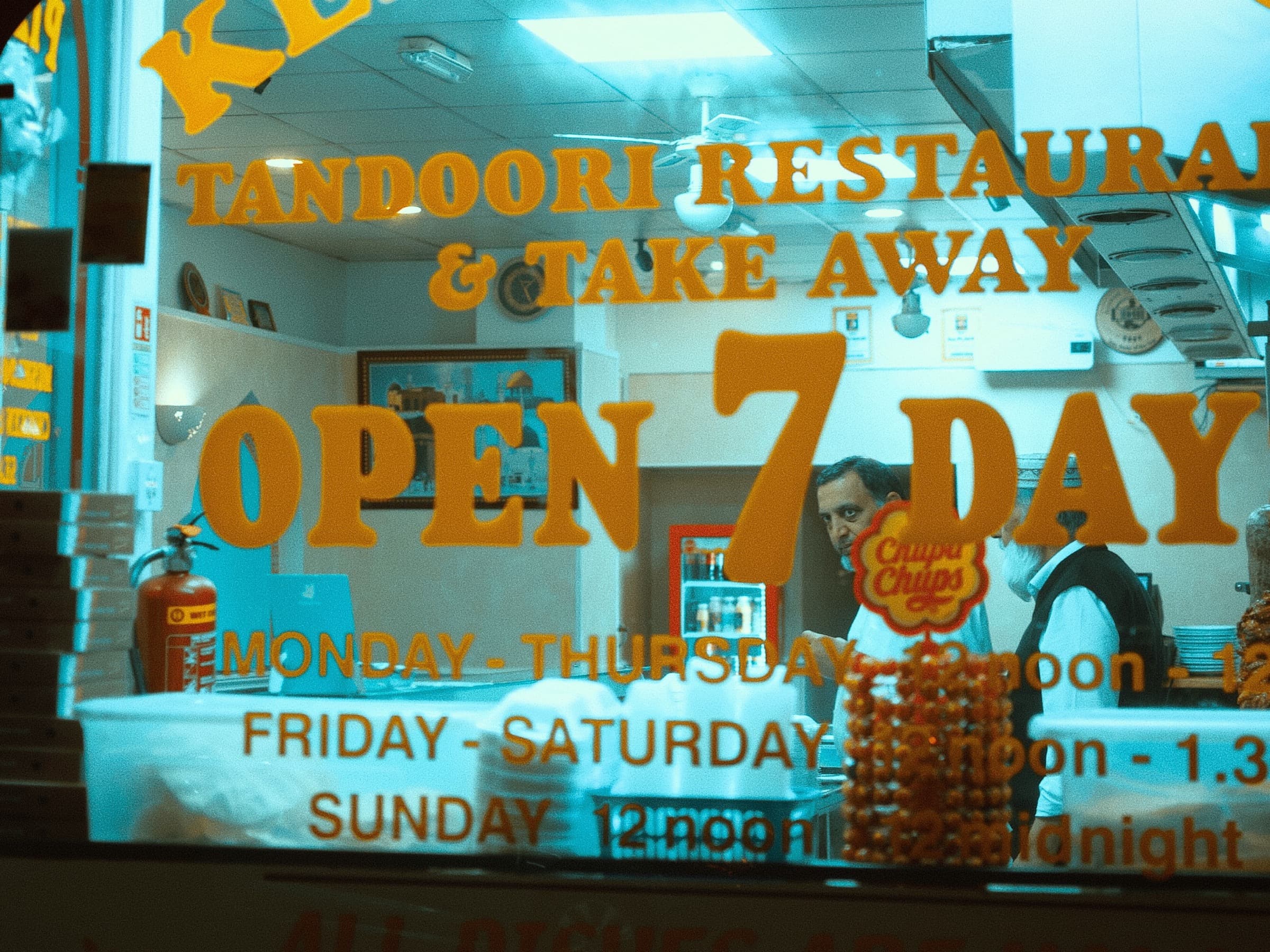
On many maps and delivery apps, South Asian cooking collapses into one tile: Indian food. This page is about what that label flattens — and how to order, write menus, and talk about kitchens without pretending one country has one cuisine.
How the default menu got built
Outside South Asia, the restaurants that scaled first often carried Punjabi and Mughlai restaurant grammar: tandoor, thick tomato-cream gravies, naan, a short vegetarian page. Historians and food writers have traced that export path through British curry houses and North Indian metro restaurant culture. It is real food with real history. It is not a summary of the subcontinent.
Association for Asian Studies teaching material puts it bluntly: Indian food as billed abroad is often reimagined North Indian eatery fare — Punjabi and Mughlai cooking adapted for local taste — while regional diversity stays underrepresented on U.S. menus. Butter chicken and chicken tikka masala became global shorthand; many diners never meet Tamil breakfast, Bengali mustard fish, Gujarati farsan, or Sindhi and Nepali kitchens at all.
What the category costs diners
- Wrong questions: “How spicy is Indian food?” instead of “Is this kitchen Tamil, Punjabi, Hyderabadi, Indo-Chinese?”
- Wrong substitutions: expecting coconut-curry-leaf logic from a tandoor house, or naan with every South Indian meal.
- Invisible neighbors: Pakistani BBQ, Sri Lankan short eats, Bangladeshi, and Indo-Caribbean tables get folded into the same icon or left off the map.
- “Curry” as a catch-all: a colonial-era category that groups unrelated techniques under one word, as writers like Mihika Agarwal and others have argued.
Naming is not snobbery
A restaurant can still serve mixed crowds and stay specific. “Punjabi-style thali,” “Udupi vegetarian,” “Kerala seafood,” or “Karachi BBQ” tells a diner more than “authentic Indian.” Hybrid menus are fine when the kitchen says what it is. The problem is the map layer that treats every South Asian storefront as interchangeable.
How to read a place better
- Ask where the owners and cooks are from — region before “Indian or not.”
- Scan for technique clues: dosa/idli batter, mustard oil and posto, hing-heavy Jain plates, charcoal BBQ, hoppers and short eats.
- Treat delivery taxonomy as a search hack, not a cultural fact.
- Use regional guides when you want a fuller picture — not one mega-menu.
Sources and further reading
- Association for Asian Studies: Exploring Indian Culture through Food
- Sauce Magazine: Why ‘Indian food’ doesn’t exist (interview)
- Mihika Agarwal: Why There’s No Such Thing As ‘Authentic’ Curry
- The Established: Rethinking Punjabi cuisine beyond butter chicken