
The Punjabi Table: Bread, Dal, and Everyday Meals
A guide to Punjabi meals built around bread, dal, seasonal vegetables, dairy, and the histories behind better-known restaurant dishes.
- punjabi
- regional
- thali
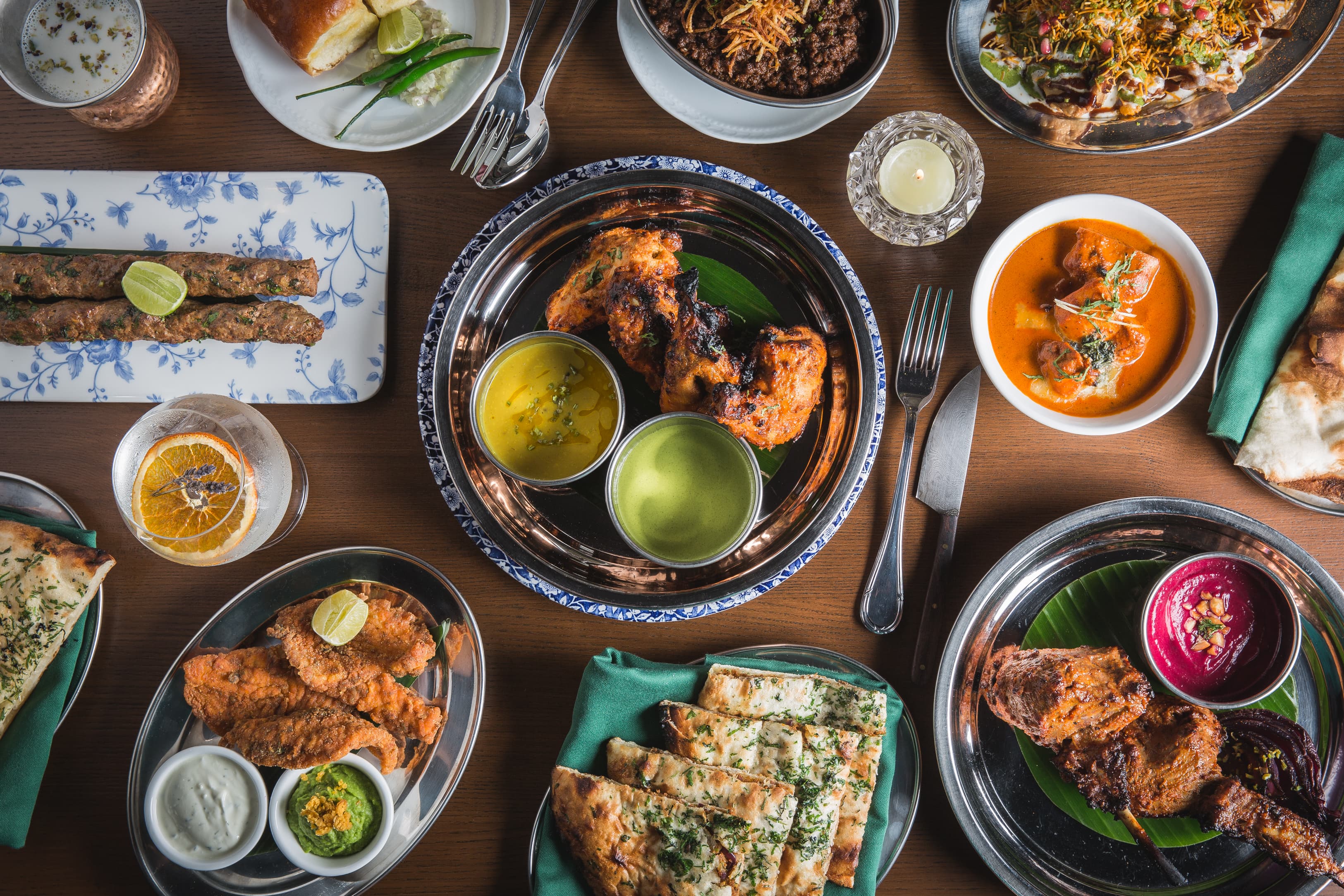
The Punjabi table belongs to a historical region divided between India and Pakistan, and no single plate represents it. A useful everyday starting point is roti with dal or seasonal sabzi, widened by dahi, achar, sliced radish or onion, and another hot bread offered from the tawa. A modest meal can feel complete through this combination rather than through restaurant-style richness.
Bread and dal at the center
Plain atta roti is more ordinary in many homes than naan, which generally needs a tandoor and is closely associated with bakeries, restaurants, and special meals. Paratha brings fat, layers, or a filling; makki di roti belongs especially to the winter pairing with saag. These breads are related, but they do different jobs.
Dal is equally varied. Maa choleyan di dal combines split black gram and chana dal; other pots may hold masoor, moong, lobia, rajma, or kadhi. Household maa di dal need not resemble restaurant dal makhani. Dahi, salted lassi, a sharp pickle, or raw vegetables can make a simple bread-and-pulse meal feel complete without turning it into a banquet.
Season, farming, and migration
Sarson da saag is a winter dish, and mustard leaves may be softened with bathua, spinach, fenugreek, chickpea greens, or radish leaves according to the cook. In Indian Punjab, farms grow wheat alongside vegetables such as gourds, okra, aubergine, cauliflower, peas, and turnips. Wheat is central, but the Green Revolution's wheat-and-rice specialization reduced some older acreage under maize, pulses, millets, and oilseeds.
Partition in 1947 displaced millions and scattered Punjabi cooks, diners, and food businesses. Refugees helped make tandoori breads, tandoori chicken, dhaba menus, and later butter chicken highly visible in Delhi and beyond. Those foods are part of Punjabi history; they are not a summary of Punjabi home cooking on either side of the border.
Feeding people, with context
Sikh langar offers dal, roti, rice, and vegetables through collective service and shared seating; its defining principle is equality, not culinary excess. Home hospitality follows different religious, class, urban, and rural customs. In many homes, it may appear simply as another fresh roti or spoonful of dal.