
Beyond Butter Chicken: Why South Asian Dining Got Hyper-Regional
Chettinad, Bengali, Goan, Kashmiri, Kerala, Sindhi, Gujarati, Assamese, and Himalayan kitchens are replacing the single “Indian” menu category, and why that shift is sticking.
- regional
- diaspora
- restaurants
- trend
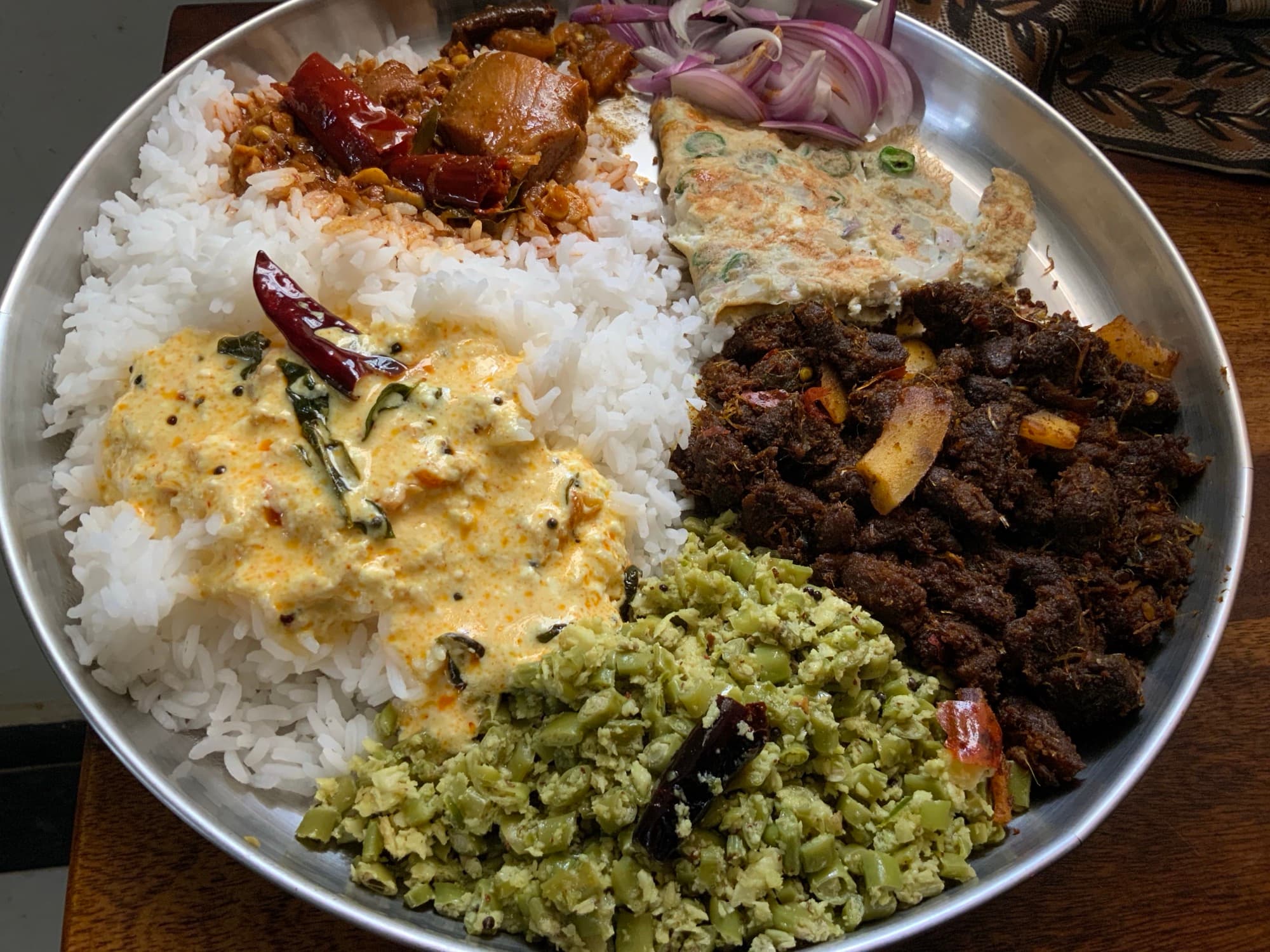
Diners are starting to ask for Chettinad, Bengali, and Kerala instead of “Indian, mild.” This page is about why that shift is happening, what “hyper-regional” means in practice, and eight regional traditions worth learning by name.
Butter chicken and naan still feed the world. They are not the enemy. The change is that restaurants, delivery tags, and second-generation cooks are no longer treating that Punjabi-Mughlai restaurant grammar as the whole map. Regional thalis, coastal kitchens, fermentation, millets, and lesser-known ingredients are how rooms mark a clearer identity.
Why butter chicken and naan became the default abroad
Murgh makhani, better known as butter chicken, is usually traced to Moti Mahal in Delhi after Partition, when Punjabi cooks from Peshawar popularized tandoori chicken finished in a tomato-butter gravy. Naan and the clay tandoor traveled with the same North Indian restaurant toolkit. Abroad, that toolkit scaled. British “curry houses,” often built by Sylheti Bangladeshi families, standardized heat ladders (korma to vindaloo) and creamy tomato sauces; chicken tikka masala became a British national shorthand even as its exact invention story stayed contested. In North America, buffet and mall restaurants repeated a similar Punjabi-Mughlai page because it was familiar, durable under a steam table, and easy to explain.
Association for Asian Studies teaching material puts the cost plainly: “Indian food” on many foreign menus is reimagined North Indian eatery fare. Real food, real history. Not a summary of the subcontinent.
What “hyper-regional” actually means
Hyper-regional is not a food-media buzzword for “spicy South Indian.” It means naming a kitchen by a smaller address than country or even “North / South.” Chettinad is not “Tamil food” in the abstract. Syrian Christian Kerala cooking is not interchangeable with a pure vegetarian Udupi thali. Sindhi sai bhaji is not a Punjabi saag with a different name.
In restaurants, the signal looks like this: a menu that leads with region and technique (stone-ground masalas, mustard oil, toddy-shop seafood, wazwan spice logic) instead of a heat scale alone; thalis built from one household or community grammar; fermentation, millets, foraged greens, or river fish used as identity, not garnish. Industry trend reports have started calling out Kerala and other named cuisines the same way they once called out “Indian” as a single ethnic category. The useful habit for diners is simple: read the region before you read the spice level.
Eight regional cuisines worth knowing by name
These are working sketches, not exhaustive ethnographies. Households differ. Start with one approachable plate, then follow the technique.
1. Chettinad (Tamil Nadu)
The Chettiar trading communities built a kitchen known for freshly roasted spice blends, black pepper heat, and stone-ground pastes. Signature moves: dry-roast then grind; layer tempering so aroma leads and heat builds. Approachable first order: Chettinad chicken or a pepper-forward vegetarian kuzhambu with rice, not a generic “madras.” Related reading on this site: Tamil table.
2. Bengali
Mustard oil, panch phoron (five-spice tempering), and river fish define a lot of the everyday table. Techniques include mustard-paste emulsifications and banana-leaf steaming more often than cream gravies. Approachable first order: shorshe maach (mustard fish) or a simple dal-bhat plate with begun bhaja. Related: Bengali table.
3. Goan
Coastal Konkan cooking with a Portuguese-influenced Christian and Hindu fork: vinegar and kokum acidity, coconut, seafood, and pork dishes such as vindaloo and sorpotel in Catholic homes. Approachable first order: fish curry with rice, or a restrained pork vindaloo that tastes of garlic and vinegar rather than pure chili heat.
4. Kashmiri
Wazwan feast cooking sits beside everyday Pandit and Muslim home tables. Look for fennel, dried ginger (sonth), mild red color without cream-forward Punjabi logic, and yogurt or thin gravies. Approachable first order: rogan josh or a simple dum aloo, depending on the kitchen’s tradition. Ask which community’s Kashmiri menu you are eating; the spice paths are not identical.
5. Kerala (including Syrian Christian coastal cooking)
Coconut oil, curry leaves, black pepper, seafood, and rice structures run through Malayali food. Syrian Christian kitchens are especially known for meat and seafood paths (stews, roast meats, toddy-shop style plates) that many U.S. diners still never meet on a generic Indian menu. Datassential and other trend desks have flagged Keralan concepts as a cuisine U.S. consumers say they want to try. Approachable first order: Kerala fish curry with matta or plain rice, appam with stew, or a peppery beef or chicken fry if the room cooks meat. Full guide: The Kerala Table. Related diaspora rooms on this site include Kerala-forward kitchens in our NYC and LA dining maps.
6. Sindhi
A cuisine rebuilt after Partition without a state of its own: sai bhaji (greens and dal), koki, yogurt-free Sindhi kadhi, seyal technique, and Ulhasnagar pantry memory. Approachable first order: sai bhaji with rice or dal pakwan. Full guide: Sindhi cooking after Partition.
7. Gujarati
Sweet-sour-savory thali logic, farsan (snacks), hing-forward tempering in many vegetarian homes, and seasonal shaak. Approachable first order: a Gujarati thali or undhiyu when in season, plus a farsan plate. Guide: Gujarati thali logic.
8. Assamese and Eastern Himalayan
Assamese cooking leans on bamboo, sesame, fermented fish (khar, xaak, tenga sour profiles), and pork in many community kitchens. Eastern Himalayan and related highland tables (including Nepali, Tibetan, and Northeast Indian neighbors) bring momo, thukpa, fermented greens, and smoke-forward meats that sit poorly under an “Indian curry” label. Approachable first orders: an Assamese tenga fish or pork with rice where offered; momo and jhol in a Himalayan room. Do not collapse Assam, Nagaland, Sikkim, and Kathmandu into one spice paste.
Where Pakistani, Bangladeshi, Nepali, and Sri Lankan cuisines fit
Hyper-regional thinking fails if it only subdivides India. Pakistani BBQ and nihari, Bangladeshi and Sylheti kitchen histories (including the British curry-house labor story), Nepali and Tibetan highland plates, and Sri Lankan hoppers, short eats, and rice-and-curry logic are neighboring systems, not “Indian food with a twist.” On this site, start with Pakistani BBQ in the diaspora, Sri Lankan short eats, and Colombo when you want those maps without forcing an India frame.
Why diaspora restaurants are getting more specific
Three pressures stack. First, the customer base changed: larger Malayali, Tamil, Gujarati, Bengali, and Northeast communities mean a room can survive without pleasing every buffet regular. Second, second-generation cooks who grew up on both steam-table India and home-region food are opening rooms that refuse the old blandness-for-acceptance bargain. Third, critics and Michelin-style attention now reward a named address (Kerala toddy-shop logic, Chettinad pepper, Assamese kitchen) more than a vague “modern Indian” claim.
Specificity is also a business story. A menu that says what it is reduces confusion, builds repeat regional clients, and gives non-Desi diners a clearer learning path than a fifty-item “Indian” page. Hybrid and diaspora-spanning menus still matter. Rooms like New York’s Drāvida argue for migration stories across Guyana, Malaysia, and Nepal. The point is not purity. The point is refusing the fake single cuisine.
What to cook at home first
You do not need eight new spice boxes. Pick one regional signal and a weeknight plate we already document:
- Everyday dal tadka and jeera rice as a North Indian home baseline before you chase restaurant makhani.
- Green chutney and tamarind chutney for chaat and thali finishes that travel across regions.
- Masala chai with whole spices instead of a sweet latte syrup.
- Technique first: What Is Tadka? and Spice Desk so mustard-seed vs panch phoron vs coconut-oil tempering start to mean something.
Practical next step: the next time you open a delivery app, filter by a named region or dish (Chettinad, appam, shorshe, momo) instead of “Indian.” Or pick one Regional Table guide and cook from that pantry for two weeks.