
The Hyderabad Table: Dum Biryani, Haleem, and Barkas Mandi
Haleem is the Ramzan bowl. Mandi is the Yemeni rice from Barkas.
- hyderabad
- biryani
- haleem
- mandi
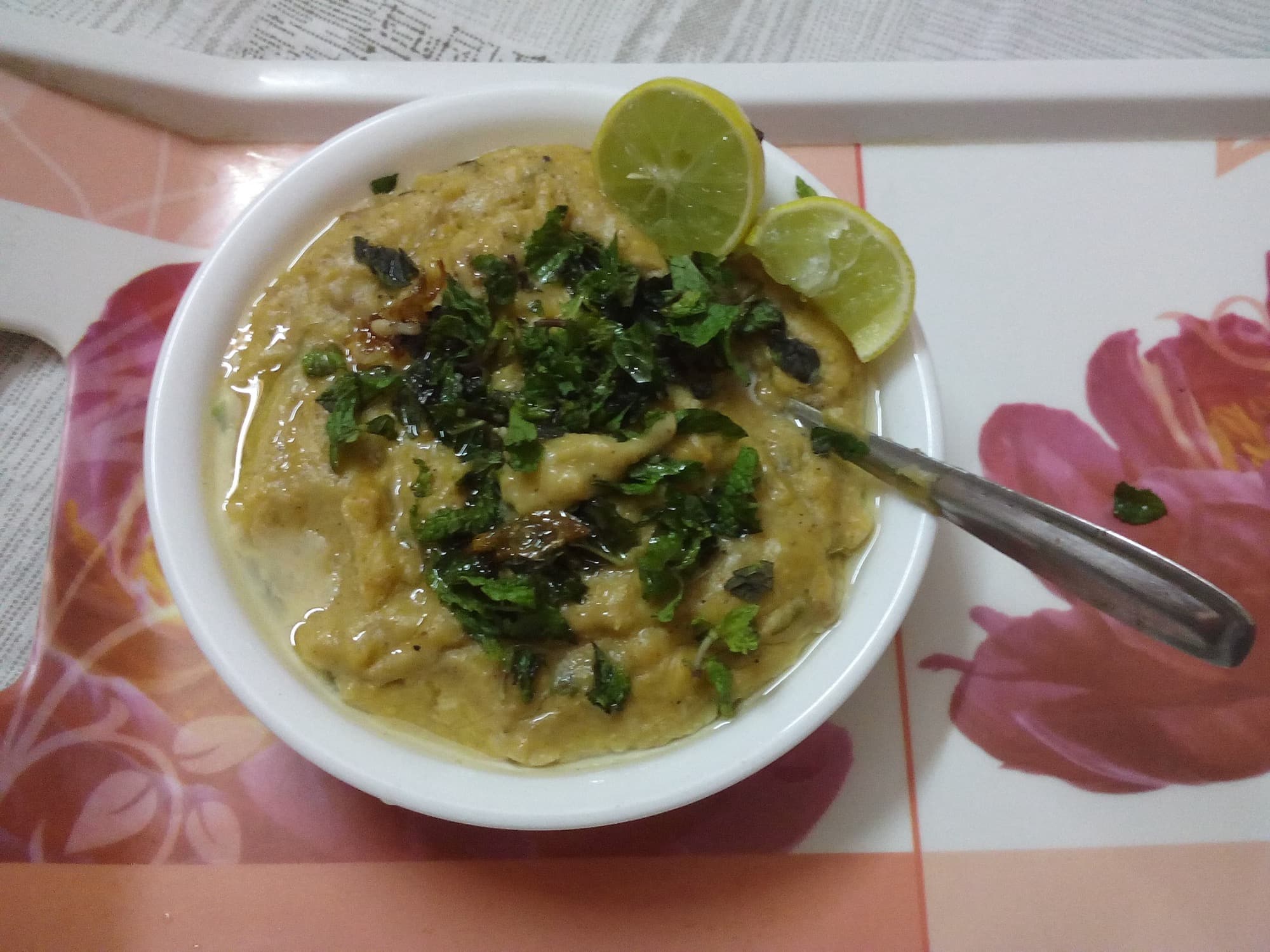
Most menus far from Hyderabad treat the city as a biryani. In the city that pot sits beside two others. During Ramzan the lines are for haleem, meat and wheat cooked down to a porridge. In Barkas, on the south edge, the rice is mandi, and the meat hangs above it.
Haleem depends on the month. Mandi depends on Barkas, or on a kitchen cooking that rice on purpose.
The sealed pot
Hyderabadi biryani comes from the court of the Nizams, who ruled the city from the early 1700s until 1948. The rice is basmati, with fried onion, mint, saffron, and enough chili to color the grains. Ask for mirchi ka salan with it, green chilies in a gravy of peanut, sesame, and tamarind, and for raita. Spoon a little salan onto a bite. Leave the rice in separate grains.
The finish is dum. The pot is sealed, and a low flame lets the steam do the rest. Kacchi means the meat went in raw. Pakki means it was cooked before it met the rice. How to Order Biryani When the Menu Just Says Biryani sorts those words on a card, including Lucknow and Kolkata. Dum: Seal the Pot and Let Steam Finish the Dish is the seal and the flame.
Haleem, in Ramzan
Haleem is meat and cracked wheat cooked until neither holds a shape. The bowl is thick. Fried onion, mint, lemon, and a slick of ghee go on top. In Ramzan, at iftar, the meal that breaks the fast, shops sell it by the bowl. A counter with a reputation can have a crowd on the pavement.
In 2010 India's geographical indications registry registered the name Hyderabadi haleem, the first meat dish to get that protection. The name is supposed to mean this city's recipe. The bowl is still a Ramzan dish. Some weddings serve it. Eid does not promise a pot, and plenty of ordinary weeks have none. A dining room abroad that sells it every weekend is on its own calendar.
Barkas
Barkas takes its name from barracks. The Chaush community traces to soldiers from Hadramawt, in Yemen, whom the Nizams recruited and housed on the city's south edge. Mandi is their rice. The meat cooks above the grains, often in a pit or a tandoor, and the fat drips down. Order it for the smoke, and for a platter people reach across. The dum biryani next to it on the card is the sealed pot.
In Ramzan, Barkas also serves harees, a wheat-and-meat porridge from that Yemeni kitchen. Haleem and harees can both look like a thick wheat bowl. Ask which one you are being handed.
Chai, meat, and a sweet
Between those meals the city drinks Irani chai. The milk is cooked down with the tea until the cup is denser than a masala chai, with less ginger. Families from Iran opened the tea rooms in the years of Mir Osman Ali Khan, the last Nizam, and the biscuit that goes with the chai took his name. Osmania is rich with butter, a little sweet and a little salty. At Nimrah, a bakery facing the Mecca Masjid, people dunk them standing up. The mosque sits beside the Charminar, the four-arched monument in the old city.
Lukhmi is a square fried pastry filled with minced meat, and it belongs with that chai when you want something savory. Pathar ka gosht is thin mutton cooked on a hot stone. The outside sears, the middle stays soft, and the portion is a meal by itself.
If the meal needs a sweet, qubani ka meetha is stewed dried apricot, often with the kernel crumbled over it and a spoon of cream. Double ka meetha is fried bread soaked in saffron milk. The double in the name is double roti, the loaf.
Telangana homes also pound gongura, a sour leaf, into a pickle, and cook jonna rotte, a sorghum flatbread. Ask for those by name when you want that cooking. A card that only lists Hyderabad biryani is the court pot, and it will not bring the pickle or the bread.
What to ask for
Away from the city, order the dum biryani with salan and raita, and take Irani chai after if they pour it. Ask for haleem when they are actually cooking it. If the card says mandi, you are ordering the meat over the rice, even when the restaurant is nowhere near Barkas.