
Brooklyn Delhi Put Achaar on the American Condiment Shelf
Chitra Agrawal’s CPG bet: teach U.S. shoppers a South Asian staple, then grow sauces and pouches without the cheap-Indian-jar default.
- brand
- achaar
- cpg
- diaspora
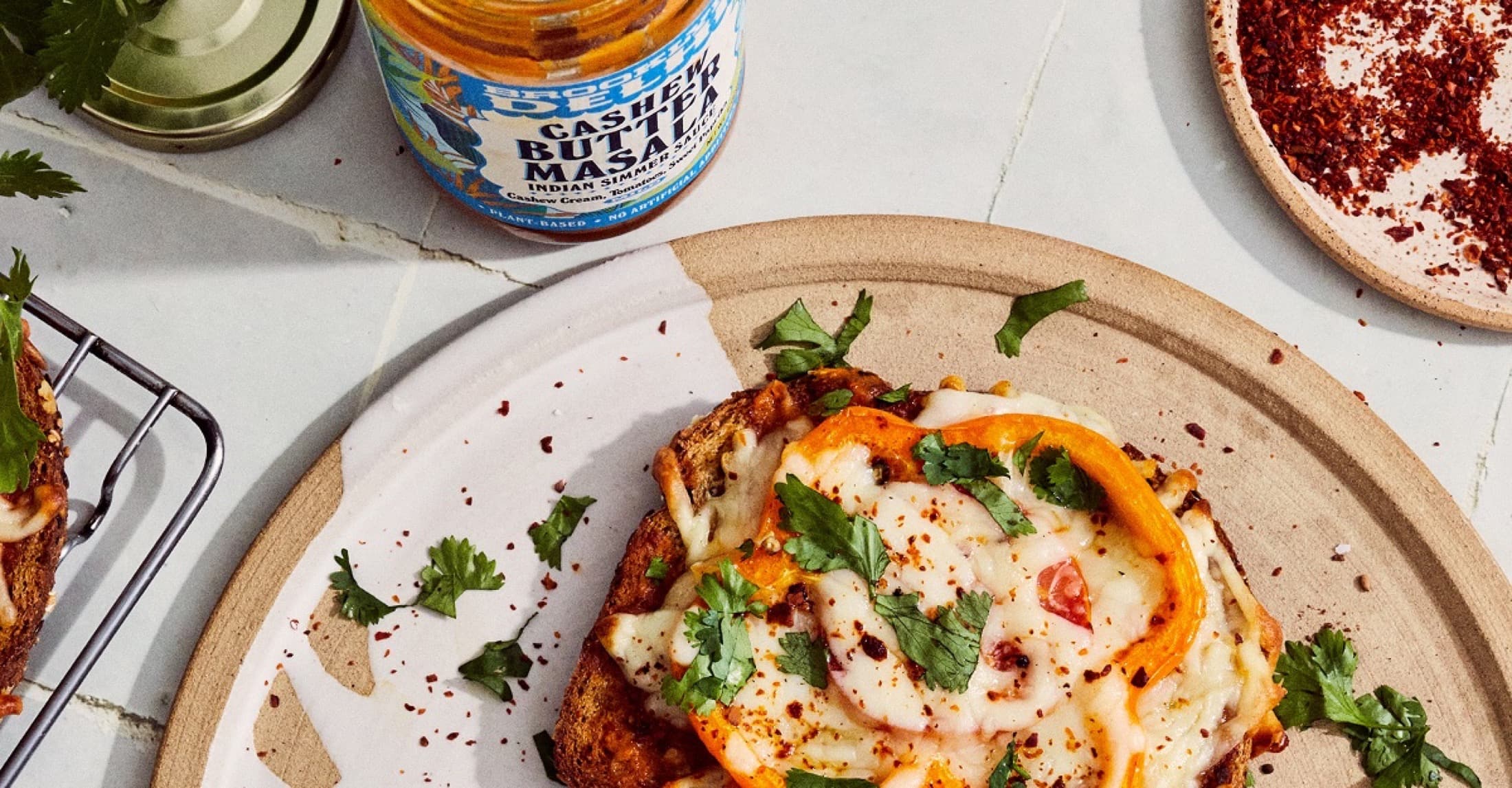
Brooklyn Delhi is a New York–born Indian American pantry brand built around achaar, then simmer sauces, chutneys, and heat-and-eat pouches, sold in national grocery and online. The company is arguing that a South Asian condiment many U.S. shoppers still call “niche” can earn shelf space without treating Indian food as the cheapest jar in the aisle.
Chitra Agrawal, a first-generation Indian American whose parents left India in 1967, began blogging family recipes from Brooklyn in 2009, then teaching classes and hosting pop-ups. A cookbook deal followed (Vibrant India). With packaging designer Ben Garthus (later her husband), she launched Brooklyn Delhi in 2014: handmade tomato achaar sold at city markets.
Early Village Voice reporting describes the gap they were answering. Jars from relatives in India tasted like home. Many U.S. grocery achaars ran heavy on salt, preservatives, and poor oil. Agrawal’s batches used local produce (including nontraditional pickles like gooseberry and rhubarb alongside tomato and roasted garlic) and commercial kitchen space as the brand scaled past the apartment stove.
Achaar is ordinary across much of South Asia and still unfamiliar to many U.S. shoppers. In a 2025 U.S. Chamber profile, Agrawal describes self-funding, keeping a day job for years, and turning down an early national Whole Foods offer until the brand could afford the sampling required to move an unknown condiment. Retail buyers liked the jar after tasting it. Shoppers still needed a reason to seek it.
A major trial machine arrived when Blue Apron put tomato achaar into meal kits, including non-“Indian” recipes, in branded cups. Whole Foods distribution followed and widened. The line grew beyond achaar into chutneys, simmer sauces, and pouch meals. Public reporting places the brand across thousands of doors (Wegmans, H-E-B, Publix, Albertsons, Target among those named) while Agrawal keeps recipe development in-house and packaging design with Garthus.
Mass grocery still pulls toward familiar labels (tikka masala over achaar) even when achaar leads online. That split is the education problem in one sentence. The name “Brooklyn Delhi” states Indian American identity without hiding either side, and Agrawal has said the brand pushes against the idea that grocery-store Indian food should be cheap.
Diaspora Co. fights for origin-named spices and farm pay. Brooklyn Delhi fights for a condiment category and shelf permission. Both are packaged answers to a flattened “curry powder / sauce in a jar” aisle. Neither replaces WhatsApp tiffin cooks or regional restaurant cooking. They sit beside them for shoppers who will never keep a full masala dabba.
Taste what is on the shelf now; lineups and retail counts change. Do not assume any one SKU or “better-for-you” claim stays fixed.