
India Barely Knew Burmese Food. This Chain Just Hit $16 Million Selling It.
Burma Burma’s vegetarian, alcohol-free rooms reported about $16 million in FY26 sales across nine cities, still with one Burmese menu.
- burma-burma
- myanmar
- burmese
- vegetarian
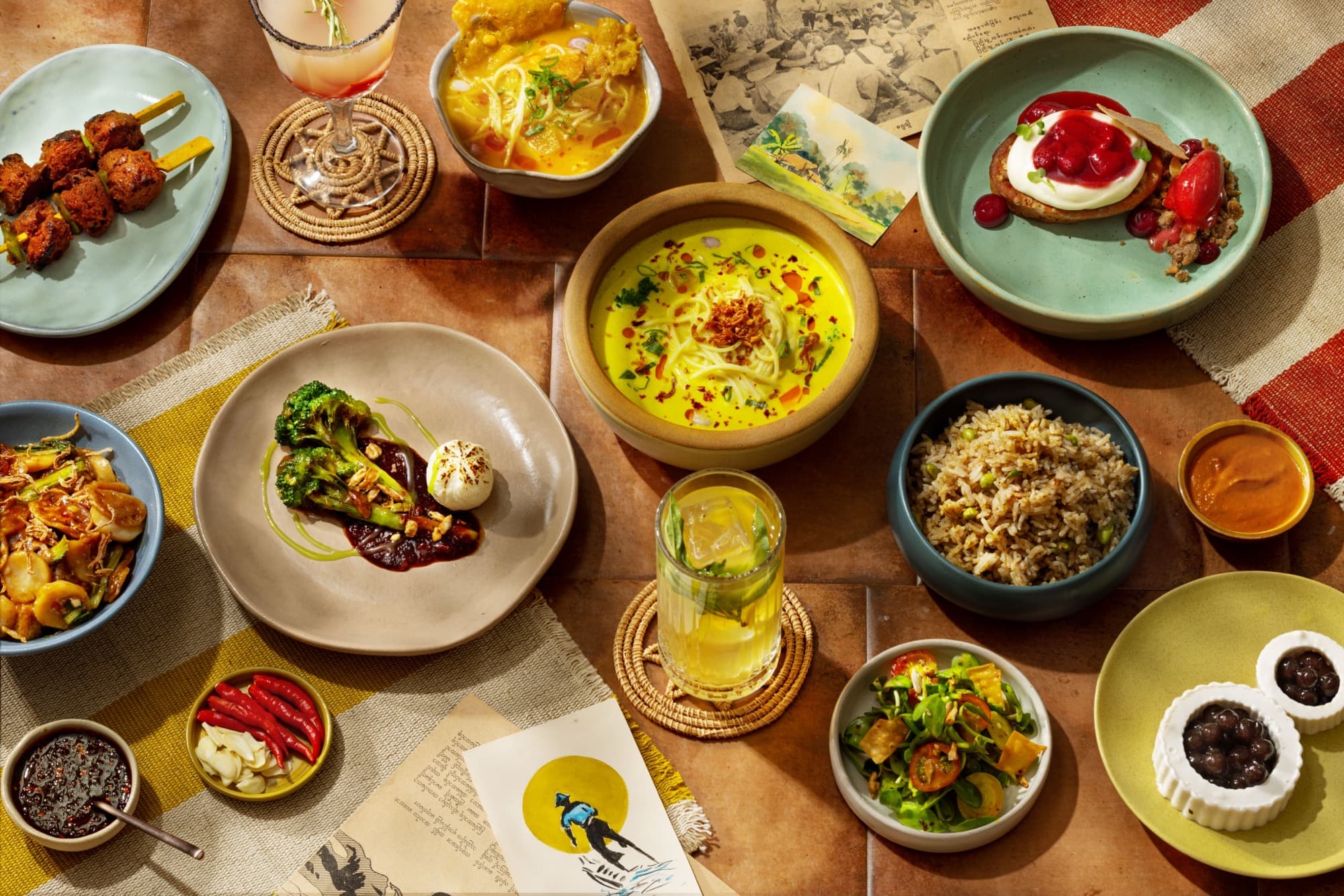
A decade ago, most Indian diners met Burmese food as a single bowl of khao suey tucked into a pan-Asian menu. Burma Burma, the vegetarian restaurant and tea room that opened in Mumbai’s Kala Ghoda in 2014, just reported about $16 million in FY26 sales, roughly 47 percent more than the year before. Parent company Hunger Pangs now runs about 22 restaurants and delivery kitchens across nine cities, employs more than 1,500 people, and still serves no meat and no alcohol.
Co-founders Ankit Gupta and Chirag Chhajer are proving a tightly focused cuisine brand can scale nationally inside India without butter chicken, beer margins, or franchising. This is reported business coverage, not a review.
The constraint that became the model
The childhood friends from Mumbai built the rooms around Gupta’s mother’s Burmese home cooking and research trips that started in 2011. Head chef Ansab Khan has been with the concept since those early travels. The chain’s line is plain: fermented vegetables, mock meats, vegan fish sauce, tea-leaf salads, and khao suey with the usual side toppings diners mix in themselves. Founders say about 80 percent of the card is vegan. They describe the brand as Burmese first, vegetarian by choice.
Skipping alcohol is the harder business call. Gupta has said a drink list stretches table time from about an hour to two and a half. Burma Burma aims for three to four turns in a three-hour service, then fills the check with zero-proof cocktails, kombuchas, bubble teas, and desserts. Average spend has climbed from roughly $8–$9 to about $12–$14. Real estate stays premium; the bet is packed rooms priced well below fine-dining checks that clear $30 a head.
Slow for eight years, then nine rooms in one
Hunger Pangs was founded in 2012 with founders’ capital. The first eight years stayed tight: only six restaurants by 2022. Institutional money arrived with Negen Capital in late 2022, and the pace flipped. The company opened nine restaurants in the latest financial year, nearly as many as it had opened in its first eleven. April–June 2026 alone brought about $5.3 million in sales. Chandigarh’s Nexus Elante room, opened in early 2026, was billed as the 21st.
In March 2026 Hunger Pangs raised about $4 million from Negen plus Endurance Capital and Coheron Wealth, at roughly a $52 million valuation. Cumulative raise sits near $11 million across five rounds. Expansion is still company-owned. Chhajer has said both founders intend to keep owning every room they open, with five to six more planned this year.
The cost of growing that fast
Scale is expensive. Net loss widened to about $1.5 million in FY26 from roughly $260,000 as the nine rooms came online. Operating profit looks healthier: EBITDA near $3.2 million, about a 19 percent margin, with operating cash flow reported around $4.8 million and almost no debt. The founders say they stay profit-conscious even while they spend to open.
Chhajer’s sharper point is scarcity: most dishes you like at Burma Burma, you only get again at Burma Burma. Same menu, same price, nationwide. Retail snacks, ice cream, and catering sit beside the dining rooms. Gupta has said the brand was built to go global. Abroad remains a plan until doors open.
If you care about the cuisine map
If you are in Mumbai, Delhi NCR, Bengaluru, Hyderabad, Kolkata, Ahmedabad, or Chandigarh, order the tea-leaf salad and a bowl of khao suey before you decide whether the chain’s “Burmese, that happens to be vegetarian” line holds on the table. If you track Indian restaurant brands, put this next to Andhra chicken curry chains and Gujarati farsan raises: cuisine focus can raise capital when the room is not another generic North Indian.
For how single-cuisine rooms changed South Asian dining language, see Beyond Butter Chicken. For another regional specialty that had to teach diners the map first, see Aakhol’s Assamese room in Hyderabad.
Further reading
- Beyond Butter Chicken: Why South Asian Dining Got Hyper-Regional
- Hyderabad Finally Has the Assamese Restaurant Expats Were Waiting For
- Andhra Chicken Curry Just Drew the Kind of Money Usually Reserved for Luxury Brands
- An 88-Year-Old Gujarati Farsan Brand Just Raised Its First Big Check
- Why North Indian Food Still Owns Most American Menus
- Goldscene: Drāvida puts Myanmar on a New York South Asian map
- Goldsea: India’s vegetarian traditions and the American palate