
Diageo Is Fighting India Over What “Matured Rum” Actually Means
United Spirits challenged FSSAI’s stop-sale on McDowell’s Celebration Matured XXX Rum, turning a flavour fight into a question of what drinkers should trust on a bottle.
- spirits
- rum
- labelling
- diageo
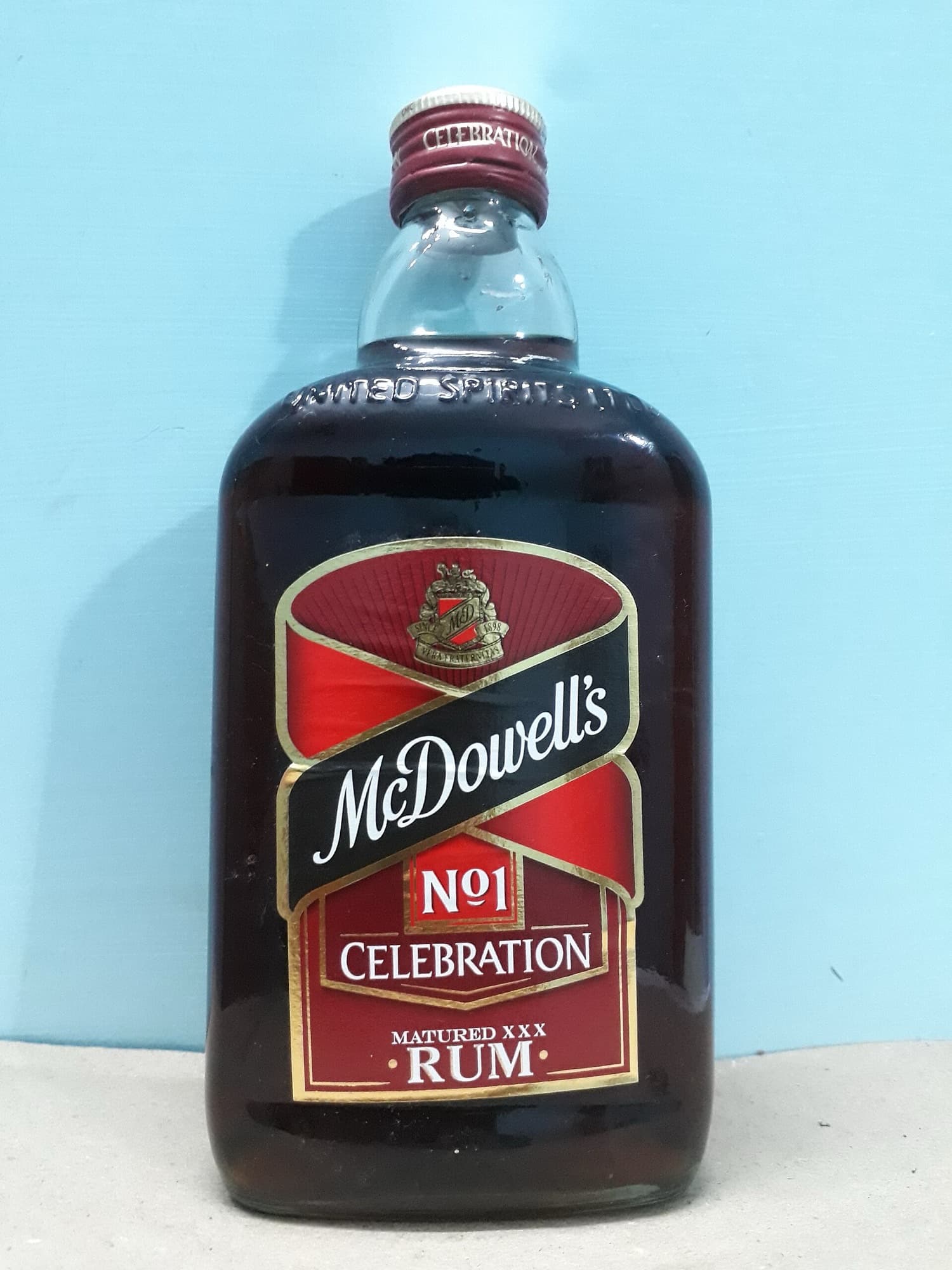
United Spirits, Diageo’s India arm, wants the Bombay High Court to lift a stop-sale on McDowell’s No. 1 Celebration Matured XXX Rum, one of its top sellers. On paper it is a labelling dispute. For drinkers it is simpler: when a familiar rum taste comes from a flavour house instead of cane, time, and wood, what is the bottle allowed to promise?
In an August 1 filing, United Spirits argues that the Food Safety and Standards Authority of India, the national food regulator known as FSSAI, barred the Maharashtra-made product without due process, and did so just as the agency opened industry talks on the flavour rules at the center of the case. The court refused immediate interim relief and told the federal government to respond by August 19. Procedure will grind on. The lasting question is what “rum,” “matured,” and “artificial flavour (rum)” should mean on a label.
What the bottle admits
Court papers say the McDowell’s bottle listed artificial flavour (rum) among its ingredients. FSSAI’s order answered that rum flavour should come from natural ingredients, fermentation, and maturation. Coffee or vanilla can stay where the rules allow them for a real reason. Adding “rum flavour” to something sold as rum, or “whisky flavour” to whisky, is the line the regulator drew.
That lands hard because Indian-made foreign liquor, the big domestic spirits category often called IMFL, has long used extra-neutral alcohol and finishing tricks to keep prices low and flavours familiar. India’s Alcoholic Beverages Regulations already allow rum made from neutral, rectified spirit of agricultural origin. The category was never only barrel-aged Caribbean rum. The fight is whether an identical “rum” flavour plus a “matured” claim turns a familiar taste into a misleading name.
How Diageo is fighting back
United Spirits told stock exchanges the June 29 order covered labelling on one Baramati-made product, that the declarations match current Indian law and long industry practice, and that the order has not hit finances or operations in a material way so far. In court it goes further: the food safety officer lacked power to ban the product, skipped the usual hearing track by leaning on a food analyst’s report, and left a stop-sale in place while FSSAI was still consulting on flavour labelling. The company called that premature and commercially damaging.
A government source in reporting pushed back, saying FSSAI was talking with industry at companies’ request. Treat the process fight as contested. Trade groups have also called the flavour issue industry-wide, which is another way of saying Celebration is not an isolated bottle.
The crackdown is bigger than one rum
Around August 2, FSSAI announced stop-sale orders on several rum and whisky lines after lab checks. Old Monk variants, Bagpiper, Antiquity Blue, Royal Challenge, and others sat in the same wave. Some SKUs run through contract manufacturers as well as brand owners. The pattern the regulator describes is steady: neutral spirit with little character of its own, external flavour to recreate the category, and age language that may not match how much of the blend actually sat in wood.
On age words, the 2018 rules are blunt. A drink labelled “matured” must spend at least one year in oak or other suitable wood, or with wooden chips. Where a number sits next to “aged,” it must track the youngest spirit in the blend. FSSAI has also questioned Old Monk “7 Years” style claims when matured rum is allegedly only a small share of the bottle. Celebration’s case sits next to that scrutiny.
What clearer labels would change
Scotch and U.S. spirits rules are stricter about category names. A flavoured product usually cannot wear a protected whisky name without becoming a flavoured spirit or another labelled category. India’s IMFL market grew under different pressures: volume, price, and a legal definition of rum that already allows neutral spirit. FSSAI’s move pushes shelf language closer to how the drink was made, without pretending every bottle has to become a long-aged Caribbean rum overnight.
If courts and the regulator force clearer “rum-flavoured spirit” naming, drinkers get a more honest map. Brands that lean on flavour houses will rebrand, reformulate, or both. Brands that mature more of the blend get a cleaner lane. The quiet bargain of familiar taste first, process second, is being argued in public.
If you drink Celebration or its peers, the habit is simple. Read past the red ribbon. Check whether the label admits artificial flavour that matches the category, what “matured” or a year claim rests on, and whether the bottle is selling wood time or a flavour formula. The High Court will sort procedure. You still decide what the words on the glass are worth.