
Kashmiri Chili Is Up 26%. Its Appeal Goes Far Beyond Heat
U.S. Amazon trackers show Kashmiri chili powder sales climbing about a quarter from spring into fall 2025. The jar is winning for color and mild warmth, not cayenne burn.
- spice
- trend
- kashmiri chili
- pantry
U.S. Amazon marketplace trackers put average monthly sales of Kashmiri chili powder up about 27 percent from May to October 2025, from roughly 150 units to about 191. Round that to 26 percent and you still have the same story: a clear lift for a niche jar American home cooks search for by name, not a global commodity boom. Hotter powders still win raw search volume. Kashmiri is winning a different race.
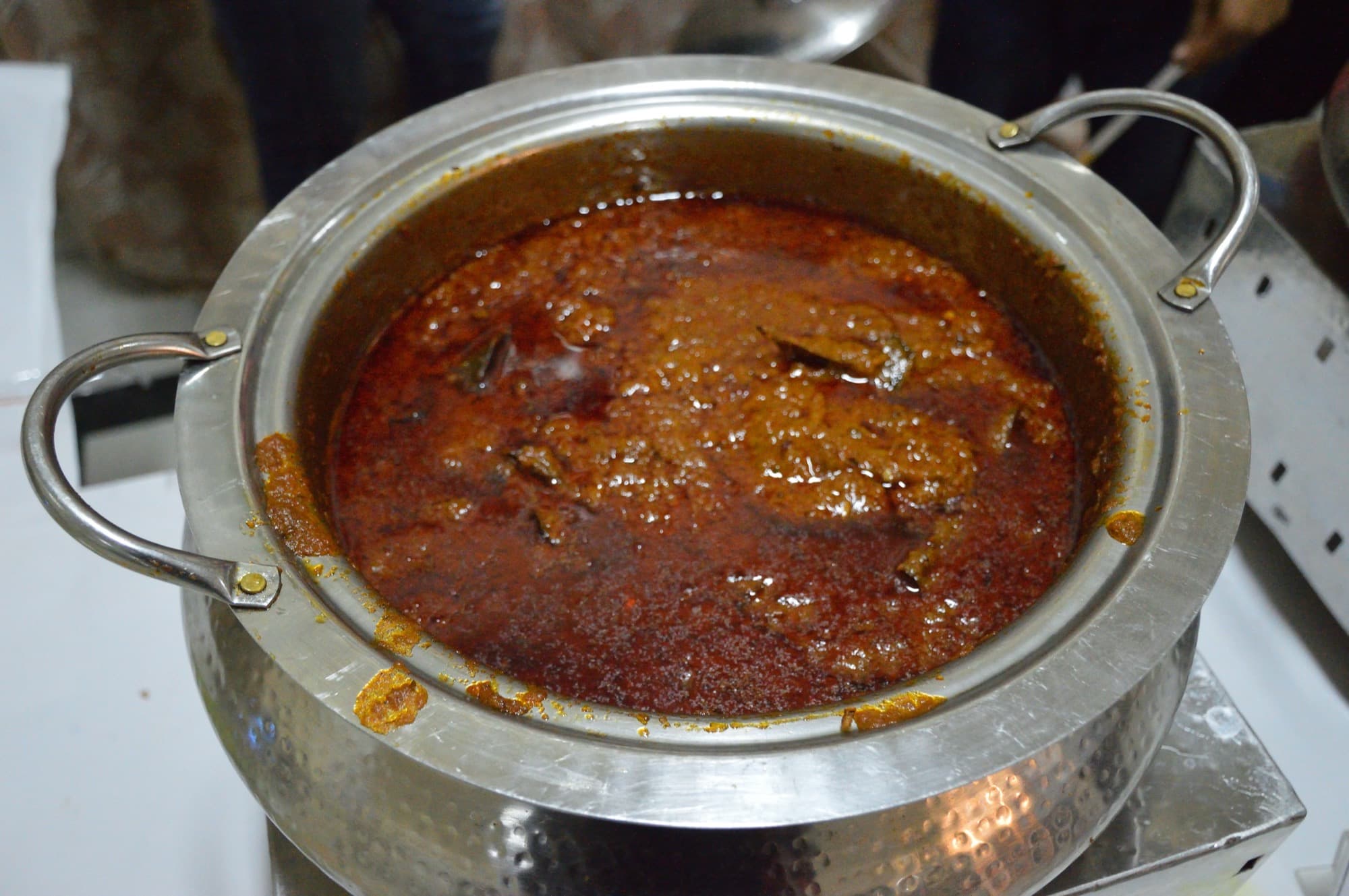
The reason is color. Kashmiri chili, sold as Kashmiri laal mirch or Kashmiri red chili powder, is the pigment cooks reach for when they want restaurant red without cayenne panic. Tandoori marinade, rogan josh gravy, and a lot of tomato-based North Indian sauces get their scarlet from this chili’s carotenoids, not from food dye and not from a Scoville flex. When a dish looks fiercer than it tastes, this is often why.
What Kashmiri chili actually is
Kashmiri-type chili is a Capsicum annuum variety associated with Jammu and Kashmir and neighboring hill growing areas, though the market name now travels far beyond those fields. Dried pods are long, wrinkled, and deep red; ground, they stain oil and yogurt a vivid crimson. Heat usually sits in a mild band, often cited around 1,000 to 2,000 Scoville heat units, closer to a gentle poblano than to cayenne. Trade color scores for high-pigment Indian chilies (measured in ASTA colour value) run high, which is a lab way of saying the powder dyes well.
Labels are messier than the variety story. Demand for the Kashmiri name outruns local supply, so Karnataka’s Byadagi chili and other mild, high-color peppers are commonly blended into or sold as stand-ins. For home cooking that is often fine if the jar is mild and red. What is not fine is assuming every bright red powder is gentle, or that “Kashmiri” on the tin guarantees origin. Taste a pinch in warm oil or yogurt before you commit a whole marinade.
Heat and flavor, without the cayenne mix-up
Cayenne is a heat spice. Typical cayenne powders land around 30,000 to 50,000 SHU, an order of magnitude hotter than classic Kashmiri profiles. Swap them cup for cup and the dish will run much hotter than most recipes intend. Sweet paprika is closer in job description: color and mild fruitiness, often with even less heat than Kashmiri. Generic “chili powder” in a U.S. grocery aisle is usually something else entirely, a cumin-heavy blend built for Tex-Mex chili, not for tandoori red.
Kashmiri’s flavor is mild, faintly fruity, and a little sweet when bloomed in fat. It is not the star aromatic of a gravy the way fennel or dried ginger can be in Kashmiri cooking. Its job is to paint the plate and add a low, round warmth so other spices can talk. That combination, restaurant red with weeknight heat, is why more cooks keep finding the jar.
Where it shows up on the plate
In Kashmiri Pandit and Kashmiri Muslim kitchens, chili color works beside fennel, dried ginger, and other regional spices in meat gravies such as rogan josh. Across wider North Indian restaurant cooking, the same powder (or a Kashmiri-style blend) reddens yogurt marinades for tandoori chicken and paneer tikka, and deepens tomato-onion sauces that need look as much as burn. Street and snack kitchens use it for pav bhaji red and other chaat-adjacent sauces where the eye expects fire and the mouth wants control.
Diaspora grocery aisles treat it as a pantry staple more than a specialty flex. Once you cook with it a few times, the pattern sticks: buy color and heat as separate dials. Turn color up with Kashmiri or Byadagi-style powder. Turn heat up with a hotter chili, fresh green chili, or a measured pinch of cayenne. That separation is the spice-literacy habit behind the sales bump.
How to buy, and what to use if you cannot find it
Prefer whole dried pods when you can. They keep longer, and a soaked, blended paste gives cleaner color than a dusty old jar. Powder is the weekday form. Look for a deep red, not brownish brick, and a mild taste. Indian grocery brands and specialty spice sellers are usually more reliable than a random “Kashmiri” listing with no heat notes. If a brand also sells Byadagi or “deggi mirch,” read the label: deggi blends often mix mild color chilies with hotter ones.
Working substitute when the aisle is empty: about one teaspoon sweet paprika plus a small pinch of cayenne (roughly 1/8 teaspoon, or less) for each teaspoon of Kashmiri powder called for. Paprika carries the color; cayenne adds a little warmth you can dial. It will not copy Kashmiri’s exact fruitiness, but it keeps a marinade red without turning dinner into a contest. Skip smoked paprika unless you want smoke in the dish.
Five approachable ways to use it this week
- Yogurt marinade: Stir Kashmiri powder into thick yogurt with garlic, ginger, salt, and a little oil for chicken, paneer, or cauliflower. The red is the point; keep hotter chile optional.
- Rogan josh-style gravy: Bloom the powder in ghee or oil early so the fat picks up color, then build the sauce with your usual aromatics. The oil that rises should look ruby, not orange-brown.
- Weeknight tomato curry: Add a teaspoon to an onion-tomato base for butter-chicken-adjacent sauces when you want restaurant color without doubling the heat powder.
- Pav bhaji or vegetable mash: A spoonful in the finishing butter gives the street-stall red people expect from the photo.
- Gentle tadka: Bloom a small pinch in hot oil for dal, eggs, or roasted potatoes when you want warmth and tint, not a cayenne spike. For tempering order, see What Is Tadka?.
Retail trackers will move. The cooking lesson should not. Kashmiri chili is climbing because cooks are learning to shop for red separately from heat, and that habit outlasts any single Scoville number or monthly sales chart.