
Mission Golden Spice Puts Lakadong Turmeric on a Global Brand Track
Meghalaya’s GI-tagged high-curcumin turmeric gets a ₹175.45 crore (about $21 million) value-chain push.
- spice
- turmeric
- meghalaya
- agriculture
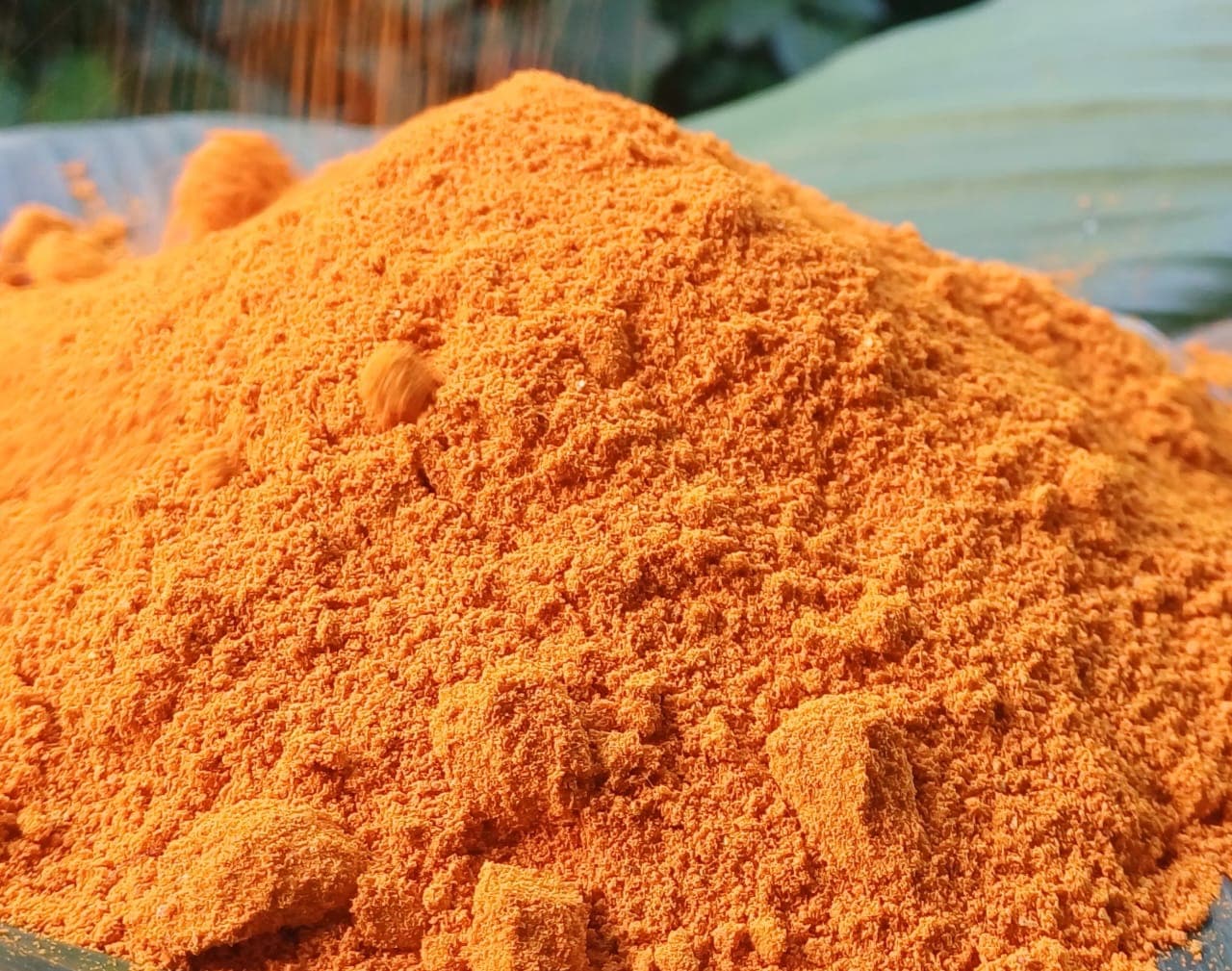
On July 21, 2026, Union Minister Jyotiraditya Scindia and Meghalaya Chief Minister Conrad Sangma launched Mission Golden Spice, a ₹175.45 crore (about $21 million) push to turn GI-tagged Lakadong turmeric into a branded global spice, not only a raw farm crop sold by the kilo.
Lakadong grows mainly in the East and West Jaintia Hills. It is known for high curcumin (often cited around 7% or more, well above many commercial turmerics) and for a color and aroma tied to that hill soil. The variety received a Geographical Indication tag in 2024, so the name is meant to stay attached to turmeric from the notified area.
The five-year mission (through 2030) is framed as value-chain work: processing and curcumin extraction capacity, less distress selling after harvest, stronger GI branding, and export outreach toward markets including the United States, the EU, Japan, and the Gulf. Officials also talk about expanding cultivation (from roughly 2,500 hectares toward about 7,000) and lifting farmgate prices (from about ₹30 to ₹40 per kilo toward ₹80 by 2030). Reporting puts tens of thousands of farming households in the frame, with women growers as the majority.
For cooks and shoppers abroad, the useful point is origin literacy. “Turmeric” on a jar is a category. Lakadong is a place-named spice with a processing and branding bet behind it, closer to how specialty coffee talks about single origins than to anonymous bulk powder. Whether diaspora shelves actually label and price it that way will take longer than a launch day in New Delhi.
Treat the crore figure and hectare targets as program goals from government briefings, not guaranteed outcomes. Watch for packing that names Lakadong and the Jaintia Hills, and for whether curcumin and organic claims show up with verifiable sourcing.