
A PBS Series Is Finally Filming South Asian America Outside the Coasts
Spice Road Season 2 sends Rupak Ginn through Midwest kitchens from Indienne to Amar Pizza, treating heartland Desi food as American food.
- media
- diaspora
- midwest
- television
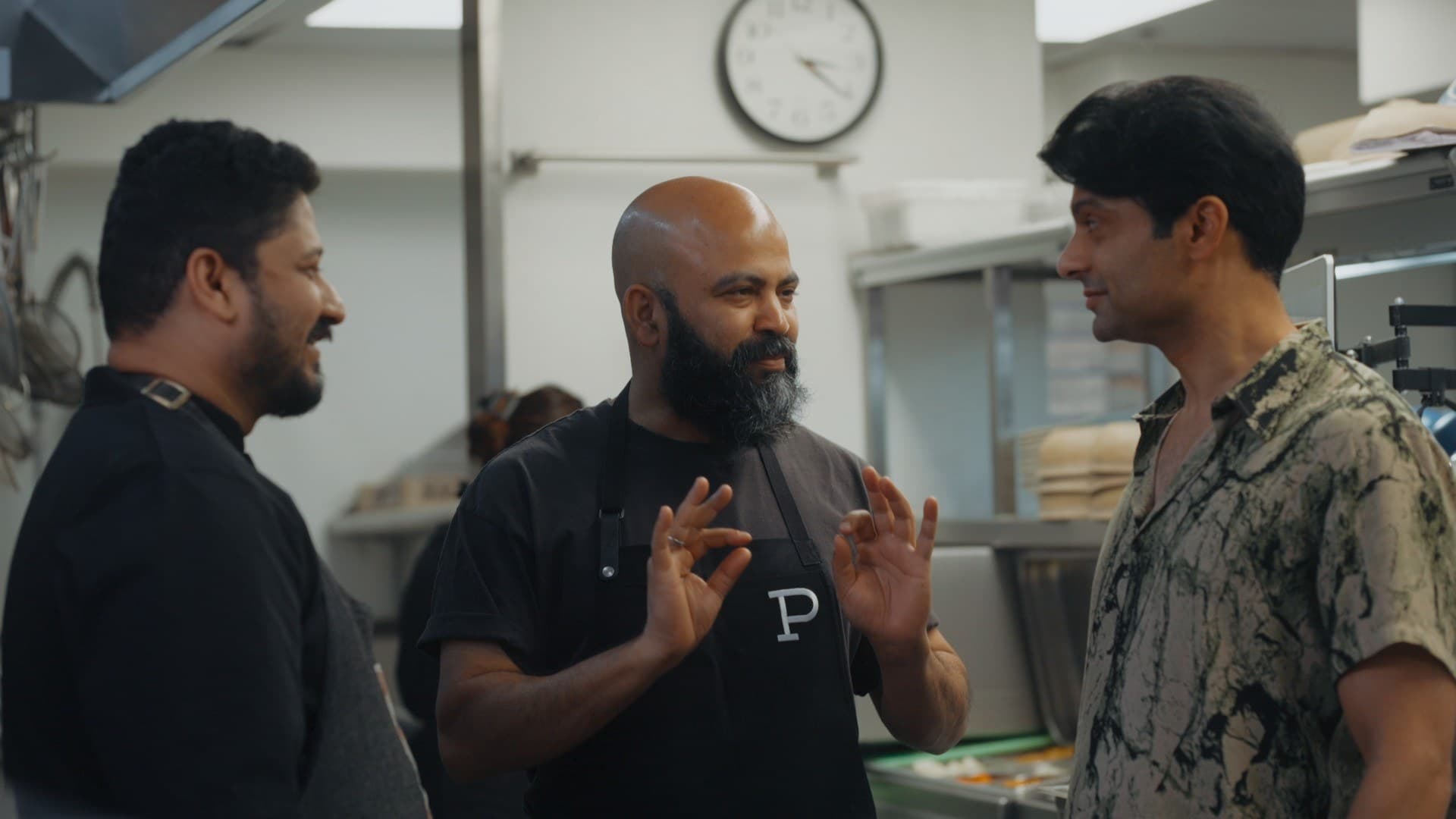
Spice Road Season 2 is back on PBS Food’s digital channels, with new Independent Lens episodes rolling out on Tuesdays through the summer of 2026. Host Rupak Ginn and filmmaker Sami Khan take the series into the Midwest: Chicago fine dining and Kerala rooms, Michigan Bangladeshi pizza, and a guest list that includes YouTube cook Bilal Bhatti (GoldenGully) plus actors Omi Vaidya, Karan Soni, and Roshan Sethi. The useful culture story is not another “best Indian restaurants” roundup. It is where American TV is willing to put the camera.
Why the Midwest is the argument
Coastal metros already get most of the Desi dining coverage. Season 2’s CAAM and ITVS framing treats the heartland as a South Asian food region in its own right: immigrants building restaurants as mixed as the subcontinent, not as a single curry category waiting for coastal validation. That matches what diners already know in Chicago suburbs, Detroit-area corridors, and college towns, and what national media still under-films.
Ginn and Khan have said the season is also about risk. In a release carried by Deadline, they frame the chefs and owners as people who “risked so much for their dreams” at a time when immigrant life in the U.S. feels newly precarious. Food TV rarely says that out loud. Here it is part of the brief.
What the early episodes put on screen
Episode one goes inside Indienne, chef Sujan Sarkar’s River North tasting-menu restaurant, Chicago’s first Michelin-starred Indian kitchen (starred since 2023, retained in later guides per the restaurant). Guest chef Chrissy Camba joins Ginn to talk fine dining and what counts as “Indian” when the format is tasting menus and French technique married to Indian flavor. Later stops named in press include Thattu (Kerala-focused, James Beard recognition in prior cycles), Café Nova’s Sri Lankan story, Sukhadia’s multi-generation sweets, and Amar Pizza in Michigan, flagged in New York Times pizza coverage for its Bangladeshi-inspired pies.
Taken together, the map refuses one cuisine slot. Michelin tasting menus, coconut-forward Kerala plates, Sri Lankan immigrant cooking, Gujarati mithai lineages, and Bangladeshi pizza sit in the same season. That is the show doing the work our category language piece asks diners to do: name the kitchen, not the continent.
Who is making it
Ginn, raised in New York by Indian immigrant parents and based in Los Angeles, is an actor and writer (Royal Pains, The High Note). Khan is an Oscar-nominated filmmaker (St. Louis Superman with Smriti Mundhra). Producer Vicky Lee is part of the core team. Season 2 is a MIRAFILMS, ITVS, and Center for Asian American Media co-production for Independent Lens, with directors including Ginn, Lee, Razi Jafri, and Jaron Henrie-McRea. The first season helped launch the revamped PBS Food digital vertical in 2023.
How to watch it as a diner
- Use the Midwest season as a permission structure: look for regional menus in non-coastal cities, not only in Queens or the Bay.
- When Indienne or Thattu come up, ask what the kitchen claims (tasting-menu modern Indian, Kerala, etc.) instead of defaulting to “nice Indian place.”
- Treat celebrity drop-ins as doorways, not the meal. The owners and line cooks are the lasting map.
- Pair an episode with a local table the same week. TV without a reservation is only half the literacy.
Spice Road will not replace neighborhood knowledge. It can move the national frame so Midwest Desi kitchens stop looking like exceptions. Watch for the region on the chyron, then go eat somewhere that matches it.