
The Extra Tariff on the Basmati Aisle Was Waived on Friday
A new duty of up to 100 percent was due by Sunday. Friday’s order waives it, and leaves the older rates alone.
- basmati
- grocery
- spices
- shrimp
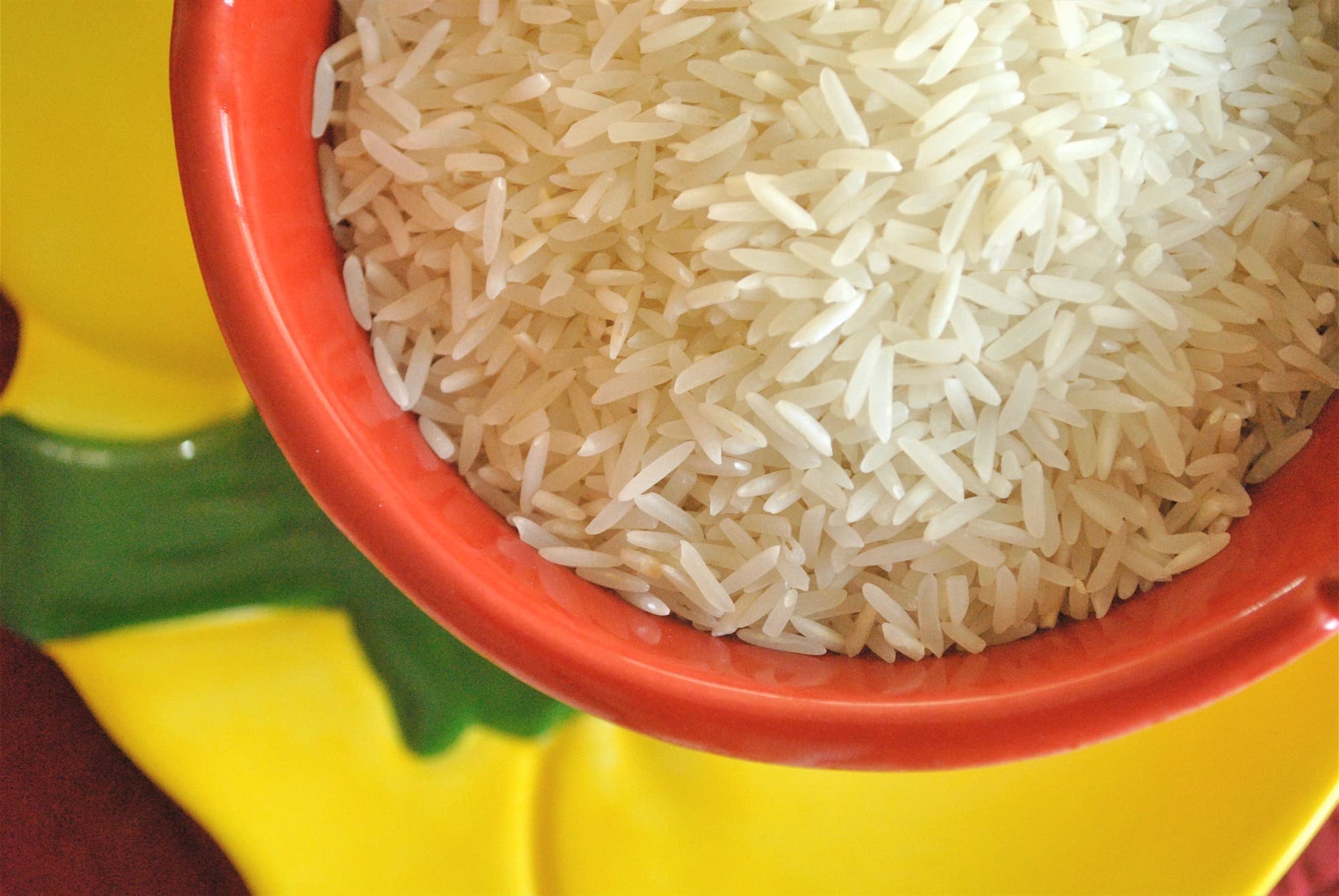
A bag of basmati in a U.S. grocery was in line for an extra 100 percent tariff, and the same rule covered cumin and frozen shrimp. On Friday the White House waived that duty. Sunday was the deadline written into the law.
Friday’s order applies to goods entering the United States. A grocery in Canada still prices its rice on Canada’s schedule. The waiver covers the new duty, and the tariff already on a shipment stays where it is.
A new Russian oil cargo was the trigger
The law is the Lindsey O. Graham Sanctioning Russia and Iran Act, signed on September 18. It is named for Lindsey Graham, the senator who pressed for tariffs on countries that kept buying Russian oil.
Within 30 days the president had to raise the duty by as much as 100 percent on all goods from a country already among the five biggest buyers of Russian crude or natural gas, if that country knowingly bought more on or after October 18. The extra duty would have sat on top of whatever the product already paid.
India is the largest of those buyers. On Saturday The Hindu, using ship-tracking figures, put Indian imports of Russian seaborne crude at about 1.8 million barrels a day this year, ahead of China. Refiners were expected to keep buying at about that pace. A purchase on or after Sunday would have put the extra duty on the rice, the spices, and the shrimp, along with the rest of what India ships.
The order is dated October 16. It sets the increase at 100 percent and waives it in the same document. The president certified to Congress that the waiver is in the national interest. Sanctions already in force before this law are unchanged.
Basmati is the bag on the shelf. In the fiscal year that ended in 2025, shipments to the United States were about $337 million, roughly 274,000 tonnes. Those figures come from the All India Rice Exporters Association, India’s rice-export trade group, as published in Mint, the Indian business paper. Seafood to the United States was about $2.8 billion that year, a larger line than the rice. Cumin and the other spices are smaller lines in the same statute.
In February, Washington cut the headline tariff on Indian goods from 50 percent to 18 percent and tied the cut to India buying less Russian oil. In that deal, spices, tea, coffee, and fruit were given duty-free access, and the duty on rice, basmati included, was set at 18 percent. Later that month the Supreme Court struck down one batch of tariffs, so a bag has not carried a single rate all year. Friday’s waiver blocks the extra 100 percent from being added to whatever the shipment is already paying.
If the mithai box costs more this Diwali, that rise comes from milk, ghee, and sugar at wholesale in India, covered in Why Diwali Sweets Cost More This Year. Those prices were already moving before Friday.
Cook the rice you already planned for this week. A reversal would have to be announced before it changed the price tag.