
Cookd Sells Separate Kits for Ambur and Dindigul Biryani
The Chennai recipe-video brand puts seeraga samba kits on the shelf by town, then weekday Tamil masalas. U.S. shipping is currently paused on its own shop.
- cookd
- biryani
- ambur
- dindigul
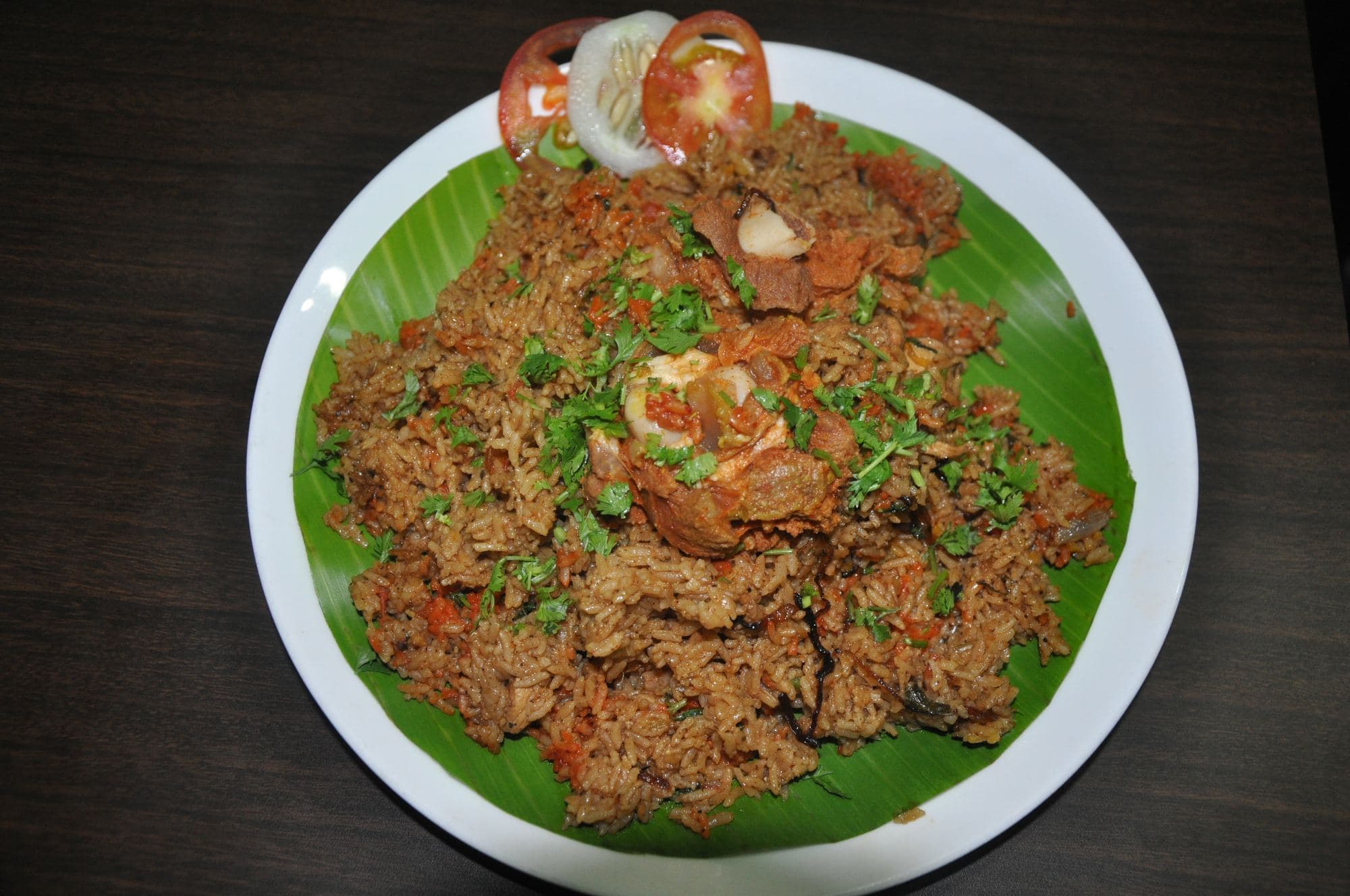
Most grocery biryani masalas behave as if there is one dish. Cookd’s shelf does not. The Chennai brand sells separate kits for Ambur and Dindigul, then Wedding Bhai and Malabar, each with a wet paste, seasoning oil, and optional seeraga samba rice. You choose a town, not a spice dial.
Cook the two Tamil kits once and the difference is obvious. Ambur, from the Arcot Nawabi towns in northern Tamil Nadu, usually runs orange from chilli paste fried in fat, softer and wetter in the pot. Dindigul runs darker and sharper, with curd and lemon in the mix and a peppery finish that wants raita and dalcha beside it. Both traditionally use short-grain seeraga samba. A jar labeled only “biryani masala” erases that split.
Cookd began as recipe videos. Founder Aathitiyan V.S., who goes by Aathi, co-founded HeroTalkies, a Tamil-cinema streaming service for diaspora viewers, before YuppTV acquired it in 2018. In 2020 he turned the cooking channel into a pantry brand. By mid-2025 Cookd claimed more than six million followers across YouTube, Instagram, and Facebook, 150 to 170 million monthly views, and products in over 1,600 Indian retail stores. That July it raised ₹16 crore in a pre-Series A led by Spring Marketing Capital, money earmarked for deeper Tamil Nadu reach and moves into Kerala and Andhra Pradesh.
Aathi has said the kit was the unlock: other brands sold biryani masala powder; Cookd sold paste, rice, and oil together. You still brown the meat, measure the water, and watch the pot. The paste does the regional spice work so you are not grinding a full masala from a cold start. Think borrowed wet masala from a neighbour’s fridge, not a heat-and-eat tray.
What to buy first
- Cook Ambur and Dindigul the same week if you can, same pot size, same rice option. The contrast is the lesson.
- Get the kit with seeraga samba the first time. Basmati will cook, but you will miss the short-grain chew these styles are built around.
- Once you like the paste format, try the weekday Tamil pantry: Madras 65, Chettinad, Madurai chukka, vatha kulambu, and the new podis (milagai, poondu, karuveppilai, paruppu).
- Save Wedding Bhai and Malabar for after you know which biryani lane you actually want midweek.
If you are ordering from abroad
Outside India, availability jumps around. Cookd’s international shop has posted that U.S. shipments are temporarily paused over customs uncertainty. Third-party South Indian grocery sites still list Cookd for U.S. and Canadian delivery, and the brand keeps selling heavily at home. Before you plan a Sunday pot, check the shipping note on whatever cart you use.
That pause is a pain. It also shows how far the idea has gotten and where it still sticks. Aathi’s team named Ambur and Dindigul on a consumer shelf instead of one vague “South Indian biryani.” Getting the boxes into diaspora kitchens still depends on whoever can clear customs that month. Brands like Gymkhana Fine Foods and Marigold are chasing a different shopper, the one who reaches for butter chicken gravy. Cookd is built for people who already know the towns and just need the paste.
Further reading
- Conagra’s Marigold Puts Butter Chicken in the Canadian Freezer Aisle
- Gymkhana Fine Foods Pantry Sauces
- Brooklyn Delhi Built a Brand Around Achaar
- Diaspora Co. Raises an Angel Round for Equitable Spices
- Why “Indian Food” Is the Wrong Menu Category
- Beyond Butter Chicken: Why South Asian Dining Got Hyper-Regional
- Goldscene: Drāvida maps South Asian cooking in the East Village