
An Afghan-Texan Brisket Naan Is Headlining Europe’s Largest Barbecue Festival
Dublin’s Big Grill expects 25,000 visitors and 50-plus festival-only dishes. Cue Point’s brisket naan shows why South Asian flatbreads are becoming barbecue’s preferred carrier.
- festival
- barbecue
- naan
- dublin
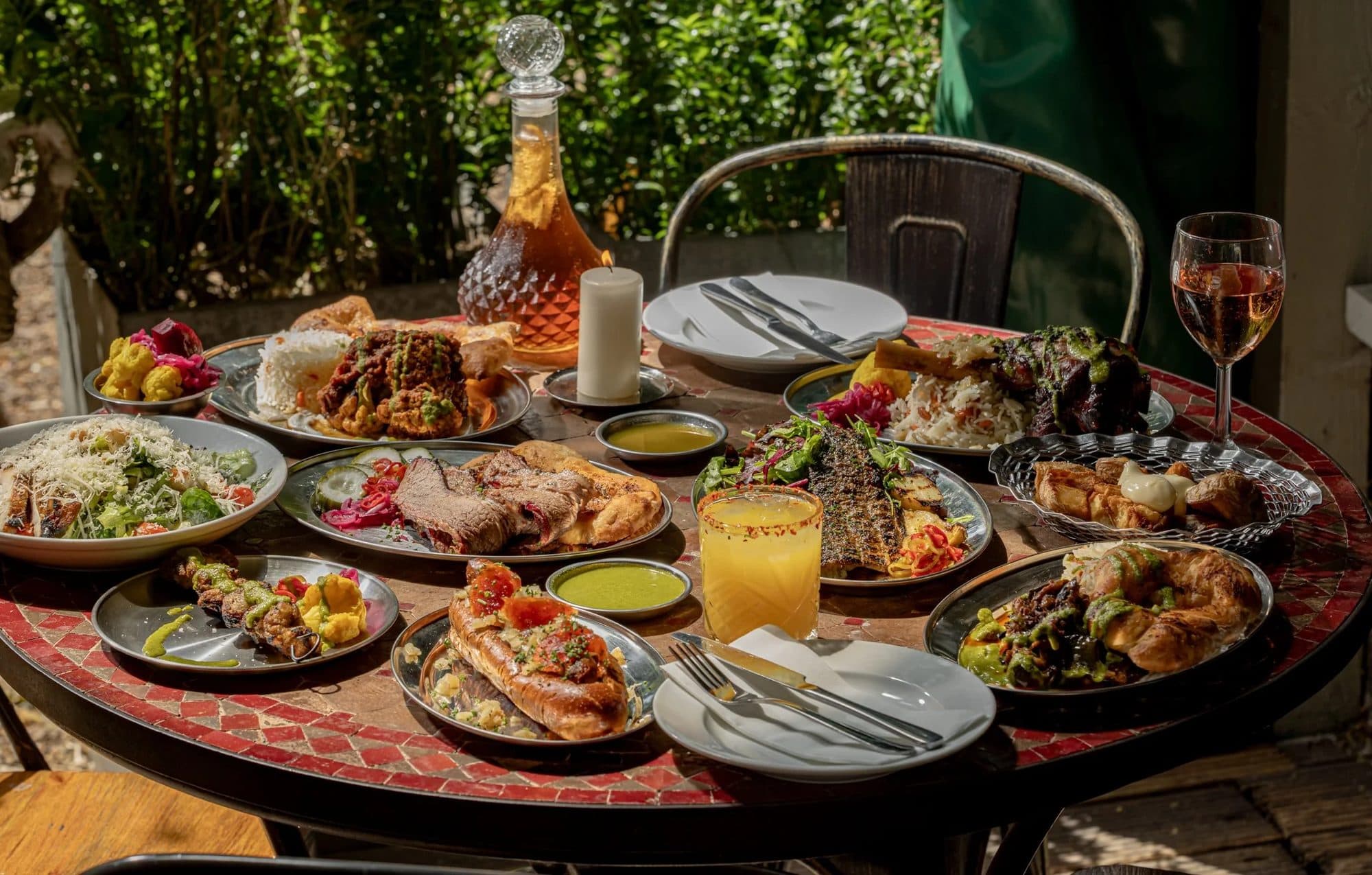
Big Grill returns to Herbert Park in Dublin from August 13 to 16, expecting about 25,000 visitors across four days of live-fire cooking. Organizers call it Europe’s largest barbecue food festival, now in its thirteenth year, with more than fifty festival-only dishes from over forty-five restaurants and vendors. One of the clearest plates on the bill is Cue Point’s Afghan-Texan brisket naan: smoked brisket on Texas naan with cowboy butter, torshi pickles, and jalapeño jam.
That dish is a clean way to see what festival barbecue has become. The meat still matters. The carrier increasingly does too. South Asian flatbreads, sturdy, foldable, and already built for sauce and pickle, are becoming a preferred wrap for global smoke, the job soft white buns and tortillas have long done in other barbecue rooms.
Who is putting brisket on naan
Cue Point is the British Afghan barbecue project of Mursal Saiq and Joshua Moroney. Saiq was born in Kabul, spent part of her childhood in Mumbai after her family left Afghanistan during the 1990s civil war, and later built a life in London. Moroney, a British Guyanese chef and former pitmaster at Smokestak, the London barbecue restaurant, brings low-and-slow Texas technique. Together they spent a decade as a nomadic inclusive smokehouse before opening a permanent Notting Hill base in spring 2026. Their house language is oak smoke, Afghan pickles and chutneys, and halal cooking built into the menu from the start.
At Big Grill, the brisket naan is their festival shorthand. Texas naan does the bun’s job without turning soft and floppy. Cowboy butter carries fat and spice. Torshi, the sharp pickled vegetables common on Afghan and wider Central and South Asian tables, cuts the smoke. Jalapeño jam adds sweet heat. You eat it standing in a park, which is exactly how festival barbecue forces a carrier to earn its keep.
Why flatbreads are winning the line
Walk Herbert Park and the pattern repeats with different breads. Achara’s Thai beef on beef-fat roti, Andrew Clarke’s grilled lamb chop railway curry from London’s ACME Fire Cult, and Cue Point’s naan all treat dough as structure for live-fire meat rather than a side basket. Soft white buns still work for some American and Swedish pit sandwiches on the bill. The South Asian and Southeast Asian flatbreads keep showing up in the fusion lanes because they hold juice, take pickle, and already belong to eating with your hands.
That habit is older than this Dublin weekend. Diaspora barbecue, night-market skewers, and London smokehouses have been sliding smoked meat onto naan, roti, and paratha for years. Big Grill puts the move under festival lights next to South Carolina whole hog and Japanese live-fire plates, so the comparison is obvious. When the world comes to one park, the bread that travels best often looks like the bread South Asian kitchens already perfected for gravy and grill.
The wider cookout
Festival director Andy Noonan has framed the weekend as a cookout where you can move from Elliott Moss’s whole hog to Holy Smoke’s Swedish pit beef, then to Afghan-meets-Texas brisket on naan, Bahay’s pig’s head tacos, or Achara’s roti. Multi-time world barbecue champion Tuffy Stone headlines demos. Irish rooms such as Snake Oil Barbecue add local fire. More than fifty classes and tastings fill the Bastecamp stage, and Little Grillers expands for kids.
For South Asian diners and cooks, the practical point is simple. Naan and roti are no longer a side note at a barbecue festival. They are competing as the vehicle for serious smoked meat when the sauce is sharp, the pickle is loud, and the line is long. Cue Point’s brisket naan is one dish on one bill. It also shows how global barbecue is borrowing South Asian bread logic because it works in the hand.