
A Mongolian Food Cart Became an East Village Restaurant. Its Dumplings Are Buuz.
Mongolian Momo King moved from street service to a counter at 336 East 13th Street, bringing one branch of the buuz, momo, and mantu corridor indoors.
- mongolian
- buuz
- momo
- dumplings
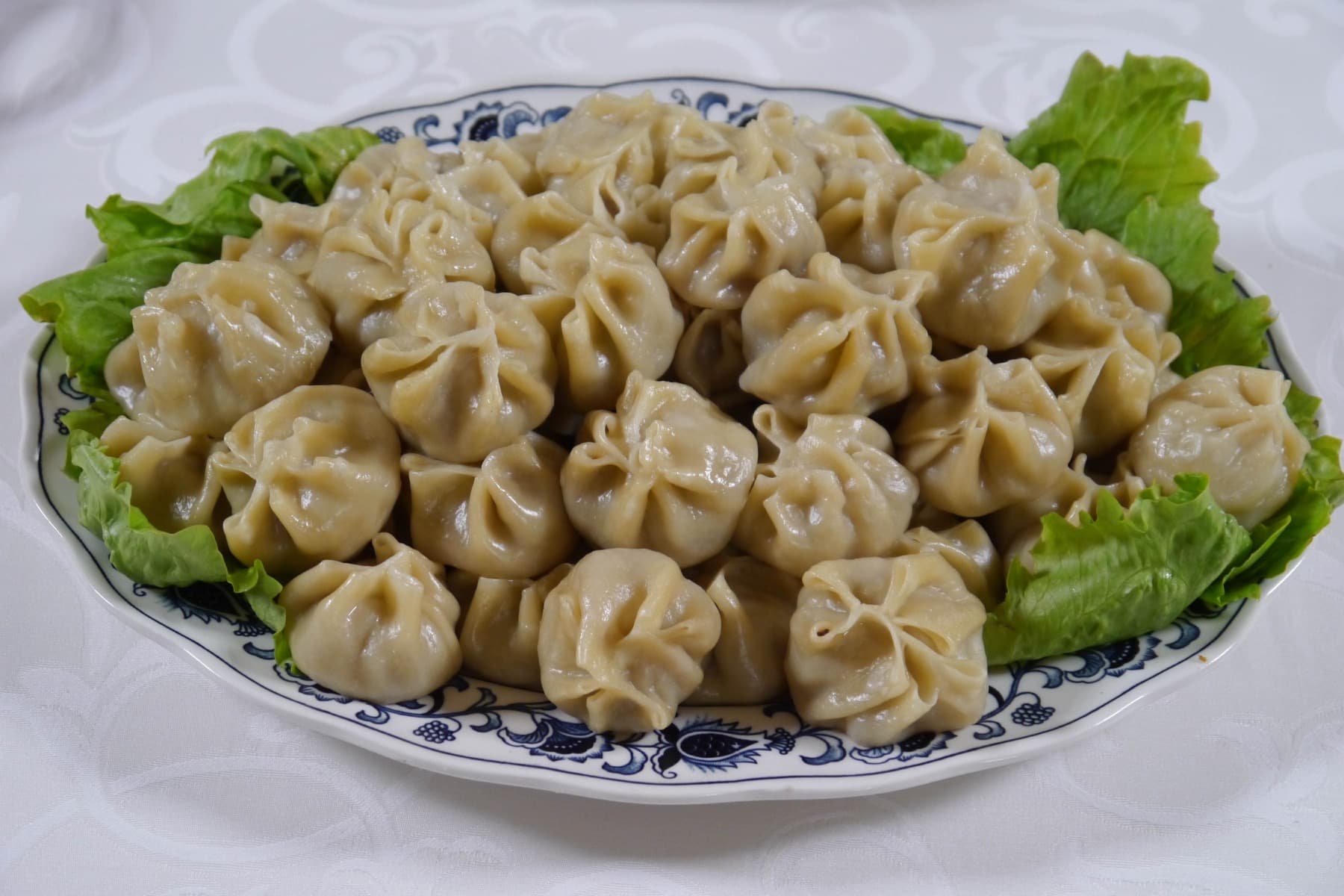
Mongolian Momo King has traded wheels for a front door. After serving from a West Village cart and moving the truck to Long Island City, the business opened a small counter at 336 East 13th Street in early August. The short menu carries steamed buuz, fried khuushuur, plov, and other Mongolian dishes into a neighborhood that already knows plenty of dumplings, though few from Mongolia.
The name on the awning says momo because New Yorkers recognize the word. In Mongolia, the steamed meat dumpling is buuz. Follow related names west and south and the route reaches Central Asian manti, Afghan mantu, and Tibetan and Nepali momo. Centuries of trade and migration carried filled dough across the steppe and Himalayas, but each kitchen settled on its own wrapper, filling, and way of serving it.
From cart to counter
In a January video filmed after the truck moved to 22-44 Jackson Avenue in Long Island City, owner Galt Bataar credited his wife with starting the business and running its kitchen. He also corrected the brand name for the hosts: Mongolian dumplings are called buuz. “Momo” made the truck legible to customers already familiar with Tibetan and Nepali food.
At Sixth Avenue and Bleecker Street, the cart served khuushuur, buuz, and suutei tsai, Mongolian salted milk tea, near the park. The truck later appeared at 22-44 Jackson Avenue in Queens. New York opening coverage placed the new counter on East 13th Street by August 6. Hours remain thinly documented, so check before making a special trip.
What the names actually mean
Buuz are Mongolian steamed meat dumplings, typically filled with minced mutton or beef and onion. Their wrappers tend to be thicker than many Himalayan momo skins, sturdy enough to hold the meat juices released in the steamer. Khuushuur use a related dough-and-meat idea in a flatter pocket that is fried until crisp. Ordering both shows what the cooking method changes before any sauce enters the picture.
Tibetan and Nepali momo often use thinner skins and arrive with tomato, sesame, or chile chutneys. Delhi’s momo culture grew through Tibetan refugee settlements and later Nepali and Northeast Indian vendors. By the 1990s, sellers including Dolma Tsering in Lajpat Nagar were pairing steamed dumplings with the sharp chutneys that helped turn them into citywide street food. Momo is now part of North Indian urban life, with a history rooted in migration rather than Mughlai or Punjabi cooking.
Afghan mantu are also steamed, usually with meat and onion inside and garlic yogurt plus a lentil or ground-meat sauce over the top. Turkic and Central Asian manti extend west toward Anatolia in different sizes and shapes. The names are related across several languages, but the history is not one tidy family tree. Trade, conquest, refugee movement, and ordinary migration repeatedly carried the durable idea of meat wrapped in dough into new kitchens.
Where it sits on New York’s dumpling map
Queens diners can already compare Nepali jhol momo and Tibetan beef momo within a few blocks of the 7 train. Mongolian Momo King adds Ulaanbaatar’s branch of the dumpling route downtown. Its food is Mongolian, not Indian or generically Himalayan, even though the wrappers share a history with dishes sold from Kathmandu to Kabul.
For Himalayan sit-downs already on the city’s South Asian corridors, start with Jackson Heights rooms such as Nepali Bhanchha Ghar and Phayul in our New York dining guide, or the corridor walk in Jackson Heights. Nearby in the East Village, Drāvida puts Nepali plates on a diaspora menu that refuses a single-country label. Mongolian Momo King is a different national kitchen on a related dough lineage.
What to order
- Start with steamed buuz, then add fried khuushuur to compare how the same meat-and-dough logic changes in oil.
- Taste one before adding sauce. Mongolian buuz do not depend on the tomato-chile chutney familiar from many momo counters.
- Look beyond dumplings when plov, suutei tsai, or the lamb noodle soup shol appears on the menu.
The storefront gives New York a chance to learn the word buuz without forgetting why “momo” helped the cart find an audience. Eat the steamed dumpling first. The thicker wrapper, meat juices, and restrained seasoning explain Mongolia more clearly than a sweeping Silk Road label can.
Further reading
- Why “Indian Food” Is the Wrong Menu Category
- Beyond Butter Chicken: Why South Asian Dining Got Hyper-Regional
- Jackson Heights Dining Guide
- Aarthi Sampath’s Drāvida Is Building Indian Food Around Diaspora, Not Borders
- Goldscene: Drāvida maps South Asian cooking in the East Village
- East Table: Dumpling Party Guide
- Goldsea: Din Tai Fung Builds a Global Dynasty with Precision Dumplings