
Taste the Nation Put Immigrant Cooks in Charge of the Story
After Top Chef, Padma Lakshmi moved the microphone so diaspora cooks, not “discovery” media, explained American food.
- padma-lakshmi
- taste-the-nation
- television
- diaspora
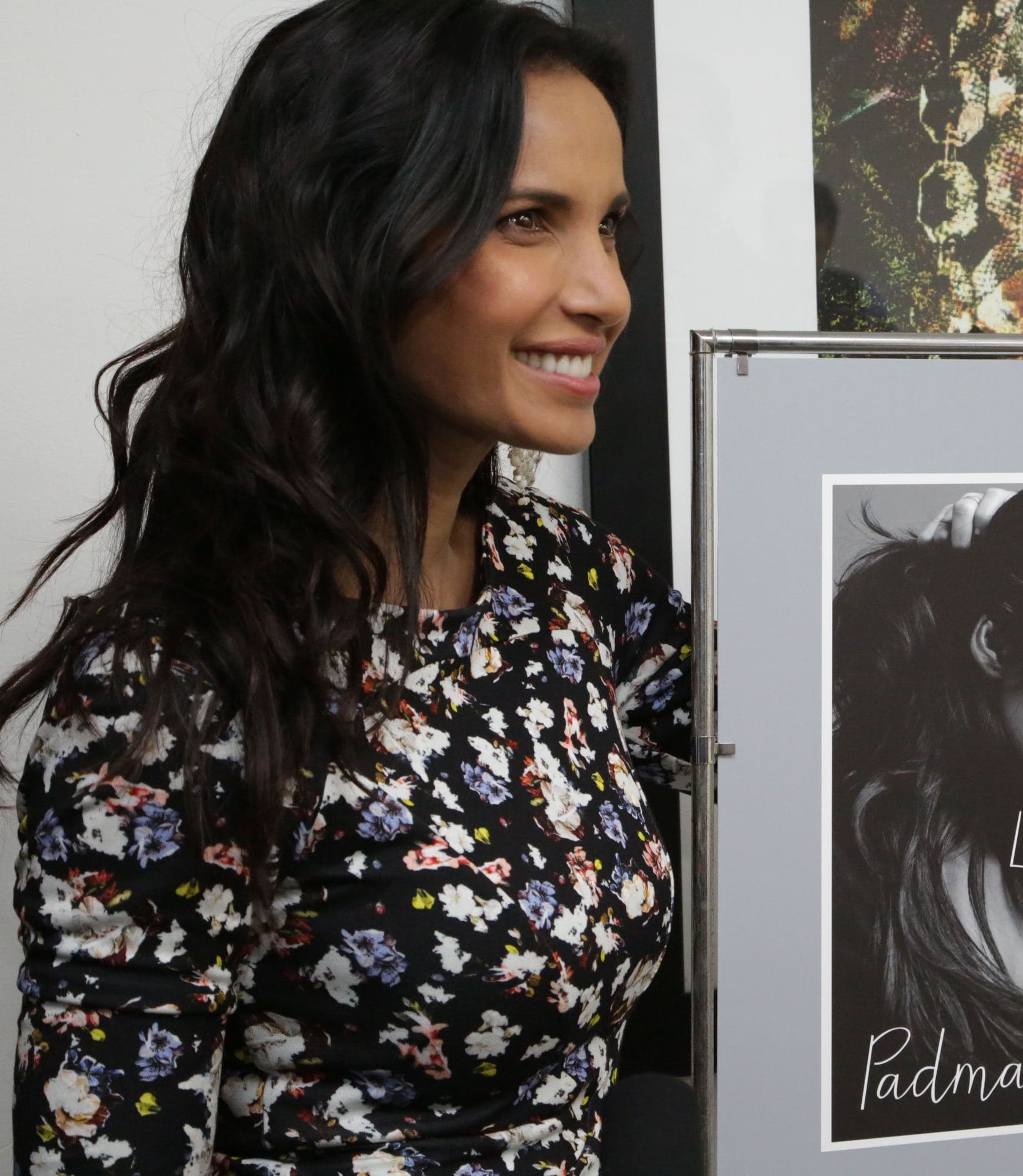
Padma Lakshmi spent nineteen seasons of Bravo’s Top Chef as the host American viewers associated with judging restaurant cooking on television. The South Asian food story that outlasts the competition set is Taste the Nation, the Hulu series she created, hosted, and executive-produced. Immigrant and Indigenous kitchens sit at the center. Immigration politics sit next to the plate.
She was born in Chennai in 1970, moved to New York at four to join her mother, and grew up splitting school years in the United States with summers back in South India. That shuttle shows up in her work: rice on a grandmother’s kitchen floor in one memory, cable-television haute cuisine in another. On Taste the Nation she has asked, plainly, what “American food” even means when apple pie’s ingredients are not indigenous to North America.
Top Chef, then a different kind of show
Lakshmi modeled in Europe and the United States, wrote cookbooks, and joined Top Chef in 2006. She stayed through the twentieth season, growing into an executive producer as well as host, then left in 2023 for Taste the Nation, books, and other producing work. Top Chef made restaurant technique a weekly American habit. It also put a brown woman among the most recognizable faces of food TV.
Taste the Nation premiered on Hulu in June 2020. Episodes travel to border towns, diaspora corridors including her own Jackson Heights roots, and Indigenous foodways. Communities tell their own kitchen stories. A Holiday Edition followed in 2021. In 2022 that special won a James Beard Award for Visual Media, Long Form. Other TV awards stacked up around both shows. TIME named her to its 100 most influential people list in 2023.
Books, credit, and the microphone
Her shelf runs beside the screen work: Easy Exotic and Tangy, Tart, Hot & Sweet; the memoir Love, Loss, and What We Ate; The Encyclopedia of Spices & Herbs; the children’s book Tomatoes for Neela; and Padma’s All American, published in late 2025 from the Taste the Nation travels. Around the Hulu series she pushed food media on a habit diners still see weekly: calling an ingredient “discovered” when immigrant kitchens already cooked it at home.
Chefs change menus. Lakshmi changed who held the microphone. Taste the Nation treats diaspora and immigrant cooks as the experts on their own tables. That literacy matters when a Semma, a Darjeeling Express, or a neighborhood auntie kitchen shows up in your feed and the old script still wants a mild-medium-hot slider. She works as host, author, and producer. In U.S. food media, she is one of the clearest public translators of South Asian and immigrant cooking.
What to watch, what to read
After Top Chef she returned to competition television as creator and host of CBS’s America’s Culinary Cup, which premiered in March 2026 with a $1 million prize and elite chefs rather than up-and-comers. Watch Taste the Nation when you want the kitchen-and-country argument. Pull the spice encyclopedia or All American when you want a bookshelf next step. Confirm current streaming where you live. Hulu has carried the series; GOLDSEA’s Hulu guide still flags it as warm, political, and easy to miss in the catalog.
One limit stays useful. A television series cannot fix wage theft, visa precarity, or the auntie WhatsApp economy. It can move who gets credited, and who American viewers learn to trust when they ask where dinner came from.
Further reading
- Why “Indian Food” Is the Wrong Menu Category
- Spice Literacy: How to Read a South Asian Kitchen
- Darjeeling Express Turned Auntie Skill Into a Payable Kitchen
- How Vikas Khanna Became the Indian Chef America Could Name
- New York’s Hardest Table Serves Village Tamil Food
- GOLDSEA: Streamers guide to Hulu (Taste the Nation)