
Fenugreek: Seeds vs Kasuri Methi
Same plant, three kitchen jobs: methi dana in tadka, fresh leaves as a green, dried kasuri methi as a finish.
- fenugreek
- methi
- kasuri methi
- tadka
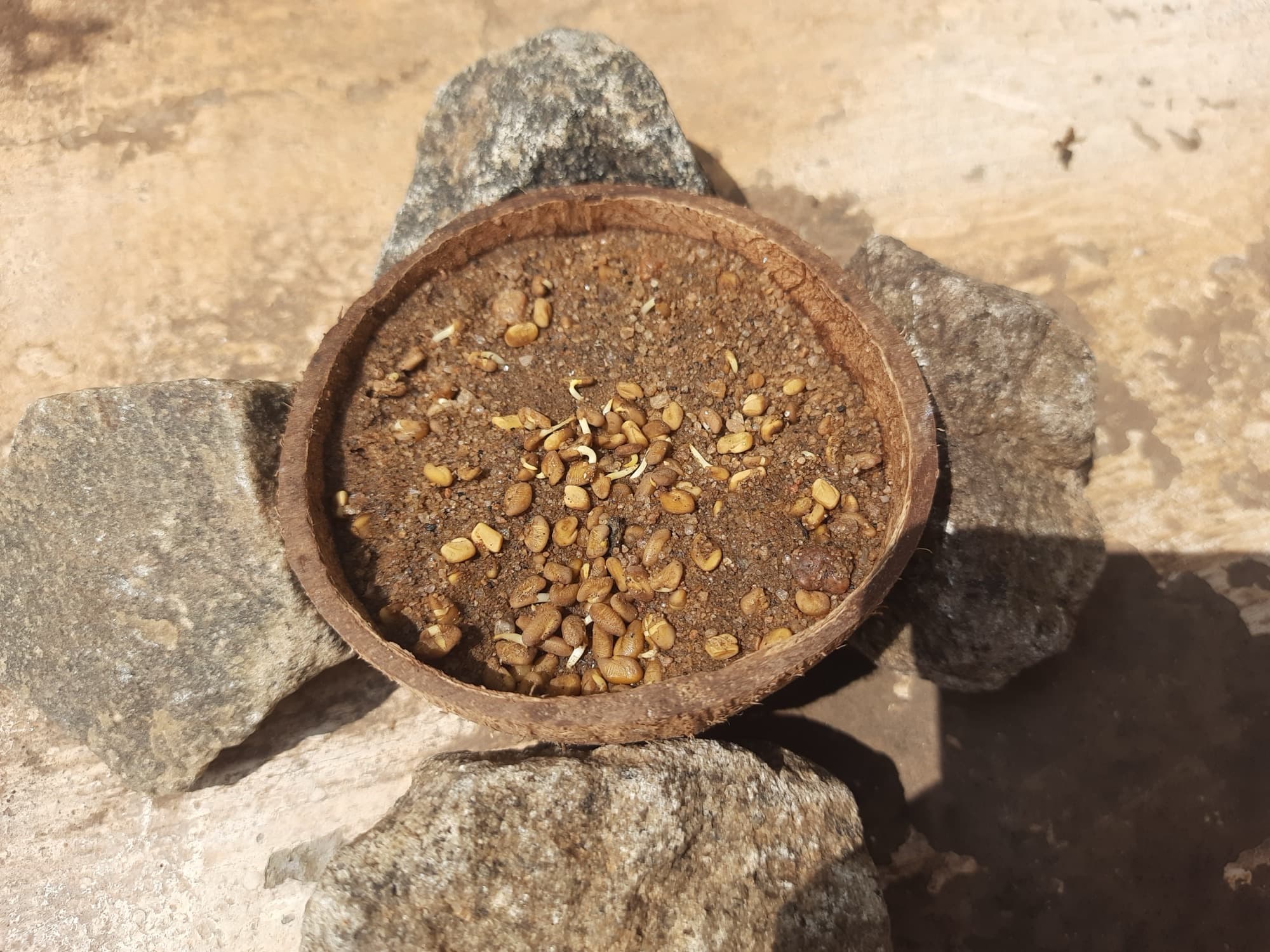
Fenugreek (Trigonella foenum-graecum) shows up in South Asian kitchens as three different ingredients: hard yellow-brown seeds (methi dana), fresh leaves sold as a green (methi), and sun-dried leaves labeled kasuri methi. This page is for the pantry mix-up that keeps showing up in recipes: treating those three as interchangeable. They are not.
Seeds go in early
Methi dana are small, angular, and intensely bitter when raw. In South Indian and Gujarati tempering, a pinch goes into hot oil or ghee with mustard, cumin, or urad dal so the bitterness softens and a maple-ish savor comes forward. The same seeds are dry-roasted and ground into sambar powder, some pickle masalas, and Bengali-style five-spice mixes (panch phoron). Spices Board of India lists fenugreek among the country’s major spice crops, with heavy cultivation in Rajasthan, Gujarat, Madhya Pradesh, and neighboring states.
Fresh methi is a vegetable
Fresh fenugreek leaves cook like a bitter green: aloo methi, methi malai matar, methi thepla, stuffed paratha. Market bunches can taste sharp; many cooks wilt them in fat with a pinch of sugar or salt to round the edge. Frozen chopped methi is a workable diaspora stand-in when fresh bunches are scarce. Do not expect a teaspoon of kasuri methi to replace a bunch of leaves; you will get aroma without bulk.
Kasuri methi is a finish
Kasuri (or kasoori) methi is dried leaf, traditionally associated with the Kasur region of Punjab. It is lighter, hay-like, and aromatic rather than seed-bitter. Crush a pinch between your palms and stir it into butter chicken, dal makhani, paneer makhani, or a tomato gravy in the last minute; heat fades the aroma if it sits too long. That is why restaurant North Indian cream gravies often taste flat when the dried leaf is skipped, even when every other spice is present.
- Recipe says methi dana / fenugreek seeds → whole seeds in tadka or in a ground blend.
- Recipe says methi / methi patta → fresh (or frozen) leaves as a green.
- Recipe says kasuri / kasoori methi → dried leaves, crushed, added at the end.
What not to swap
Dried leaf will not bloom like seed in oil. Seed will not give you the floral finish of kasuri methi on a makhani. If a recipe calls for seeds and you only have dried leaf, you can approximate aroma, not structure, and you should add the leaf late, not in the first tempering. Households differ on how much bitterness they want; treat ratios as a working start, then taste.
Sources and further reading
- Spices Board of India: Fenugreek
- Gernot Katzer’s Spice Pages: Fenugreek
- Serious Eats: Spice Hunting, Fenugreek (Methi)
- Wikimedia Commons: Fenugreek Seeds 01.jpg