
Why Non-South Asians Love Butter Chicken
Murgh makhani is mid-century Delhi restaurant food. Tomato, cream, and mild heat made it the export first order.
- butter-chicken
- murgh-makhani
- moti-mahal
- delhi
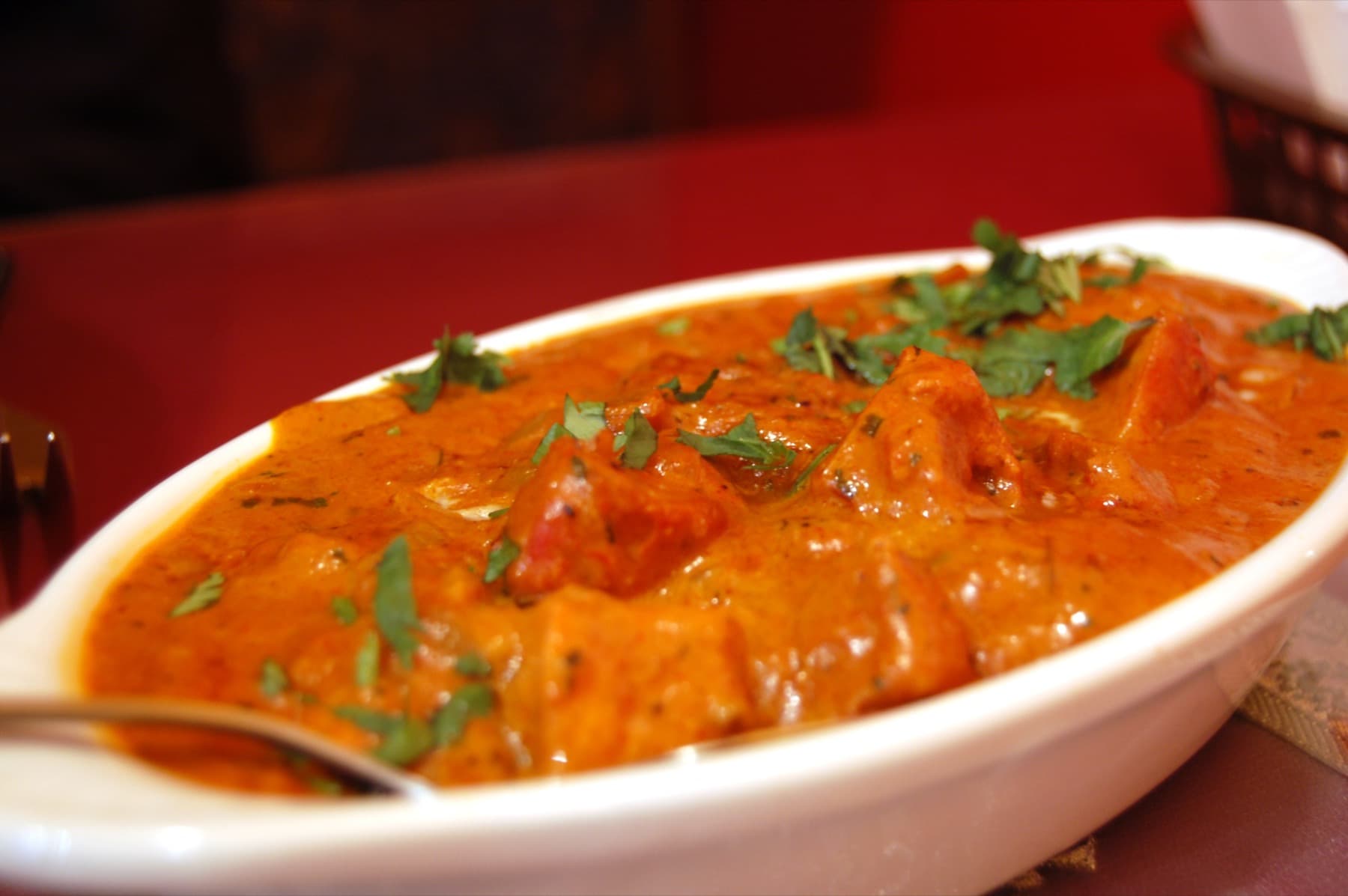
Ask non-South Asian diners what “Indian food” tastes like and many will describe the same bowl: orange gravy, soft chicken, naan on the side. That bowl is butter chicken, or murgh makhani. It comes out of mid-century Delhi restaurant cooking, and it traveled so well that a lot of export menus still treat it as the whole story.
Taste the design and the appeal gets practical. Tomato, butter, cream, gentle spice, and a little smoke from tandoori chicken sit inside flavors many Western tables already know. That is why the dish became a first order and a buffet staple. It is also why so many cards stop at makhani.
A leftovers fix that became a Delhi signature
The usual story starts with Moti Mahal, opened in Daryaganj in 1947 by Punjabi Hindu partners who had worked at a Moti Mahal in Peshawar and fled during Partition: Kundan Lal Gujral, Kundan Lal Jaggi, and Thakur Das Mago. They helped put tandoori chicken on Delhi’s restaurant map. Leftover pieces dried out. The fix was to simmer them in a tomato gravy finished with butter and cream. Makhani means buttery. The dish stuck.
Inventorship is still contested. The Gujral line, now behind Moti Mahal Delux, says Gujral created the sauce in Peshawar in the 1930s or 1940s to rescue drying kebabs. The Jaggi line, behind the newer Daryaganj restaurants, says Jaggi made it in Delhi after Partition. In 2024 the families took those claims to the Delhi High Court. Food historian Pushpesh Pant has doubted any single restaurant patent on the idea. The diner’s takeaway is steadier: butter chicken is twentieth-century Punjabi restaurant cooking, popularized in post-Partition Delhi.
Why the sauce feels familiar abroad
Ripe or reduced tomatoes bring acidity diners already know from pasta sauces and soups. Butter and cream round the edges. Kashmiri chile often gives color more than fire. Kasuri methi, dried fenugreek leaf crushed in at the end, adds a bitter-herbal finish that reads as restaurant North Indian without asking for heat tolerance. Vivek Singh, the London chef who has kept butter chicken in rotation at Cinnamon Club, has described the dish as salt, fat, acid, heat, smoke, and fenugreek working together. Non-South Asian diners recognized that balance quickly.
The English name helped. “Butter chicken” tells you the job in two words. Boneless cubes made it easy on banquet tables and weeknight takeout. Over decades, many export kitchens pushed sweetness higher and spice lower because the gravy still sold when it behaved like a mild cream-tomato sauce with charred chicken in it. In Britain and North America, chicken tikka masala did related work as a local remake; that story is in Chicken Tikka Masala Made Indian Food a Global Habit. Butter chicken’s path is different: an Indian restaurant invention that already spoke softly enough to become the default abroad.
When one bowl owns the menu
Once butter chicken and naan own the first order, the rest of the map shrinks. Chettinad pepper heat, Bengali mustard fish, Kerala toddy-shop plates, and Gujarati farsan get harder to find when the steam table is built for makhani. The dish earned its reach. It still should not be the last thing you order. For the wider menu problem, see What “North Indian” on a Restaurant Menu Is Hiding and Beyond Butter Chicken.
What to taste for
A serious version wants char on the chicken and tomatoes cooked long enough that cream does not cover raw acidity. Kasuri methi should arrive late. Bone-in older Delhi styles exist; boneless cubes are the export default. If the bowl is only sweet orange sauce, you are eating the softest edition. Keep it when you want comfort. Make the next plate the one that is not makhani.