
The Indian Breakfast Map: 15 Morning Dishes That Deserve More Attention Than Dosa
From kande pohe and puttu to luchi, thepla, and pesarattu, a region-by-region guide to what mornings look like when dosa is not the only answer.
- breakfast
- regional
- guide
- home cooking
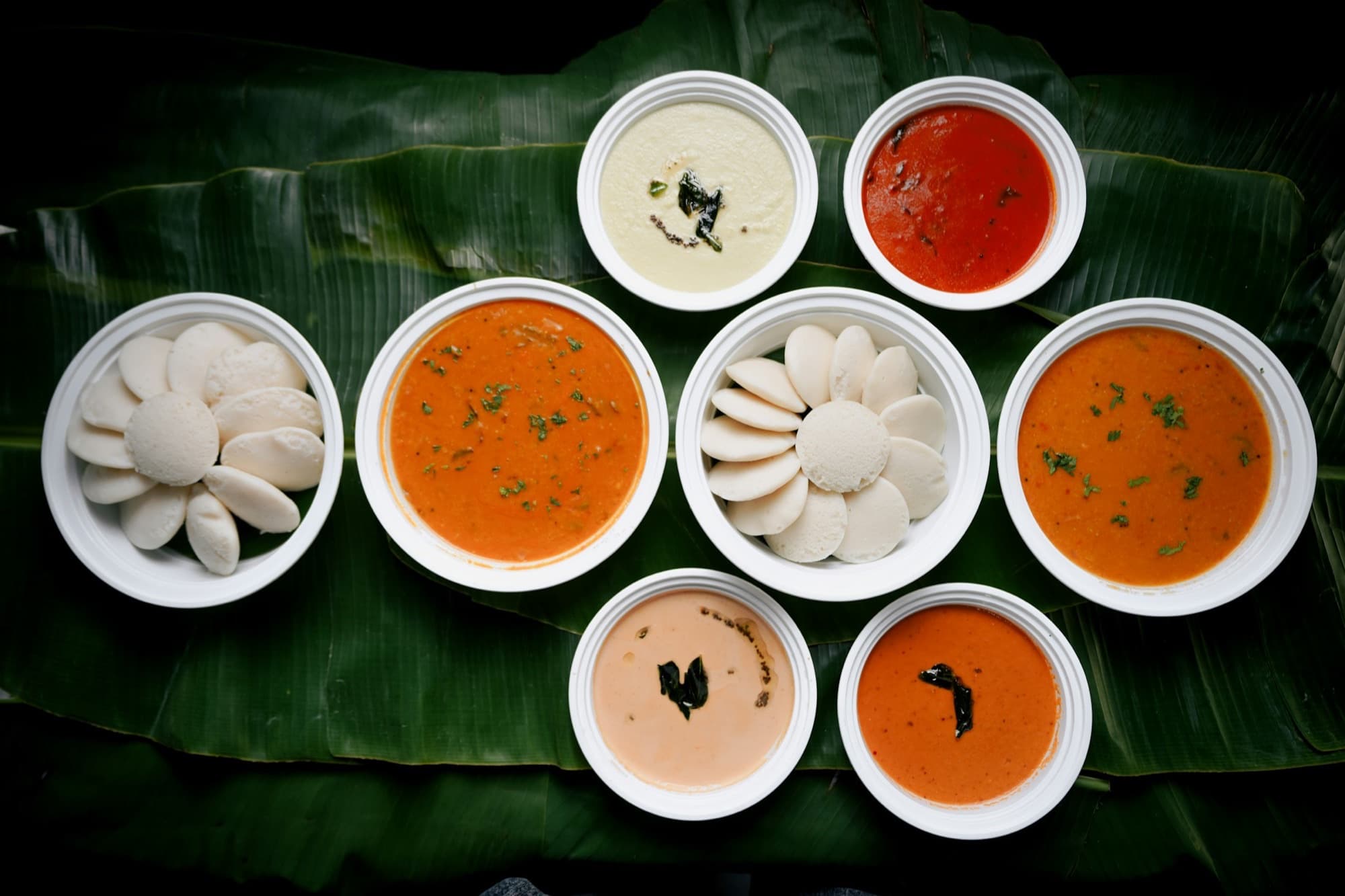
Dosa deserves its fame. The fermented rice-and-lentil crepe travels well, photographs easily, and became the default South Indian breakfast abroad once Udupi rooms and chains taught diners the masala-dosa-with-sambar script. That success also flattened the morning map. Ask for “Indian breakfast” in many cities and you get a dosa. Ask households from Pune to Kochi to Ahmedabad what they actually cook before work, and the answers scatter.
This page is a region-by-region orientation: fifteen morning dishes that sit beside dosa, not under it. Dosa can stay on the table. India’s breakfast vocabulary still changes by grain, fat, fermentation habit, and how much time a weekday allows. For the counter script when you do want dosa, keep the dosa ordering guide open. For why menus still collapse into one label, see Why “Indian Food” Is the Wrong Menu Category.
West and Central: flattened rice, fasting starch, multigrain bread
1. Kande pohe. In Maharashtra, thick poha (parboiled, flattened rice) is rinsed, drained, and tossed with onion, turmeric, mustard seed, curry leaf, and often peanuts. A home batch usually takes about twenty minutes. The dish is light enough for a weekday and serious enough that arranged-marriage visits in Marathi culture are still nicknamed “kande pohe.”
2. Indori poha. Same flattened rice, different city habits. In Indore, Madhya Pradesh, poha runs sweeter-spicier, often with jeeravan masala, and finishes under a heap of nylon sev, onion, coriander, and sometimes pomegranate. It is street breakfast as much as home breakfast. Treat it as a cousin of kande pohe, not a garnish upgrade.
3. Sabudana khichdi. Soaked tapioca pearls, peanut, potato, green chili, and lemon. Maharashtra made it a fasting (vrat) staple for Ekadashi and Navratri, then kept it as ordinary breakfast. The catch for weekdays is soak time: start the night before or the pearls stay chalky. Pair with our Navratri fasting guide when you are cooking inside faraal rules.
4. Thalipeeth. A savory Maharashtra flatbread from bhajani, a roasted mix of grains and dals (often jowar, bajra, rice, wheat, chana, urad) with onion and cilantro. It is millet and pulse breakfast without asking diners to learn a new word for “dosa.” Serve with yogurt or white butter. Weekday move: keep bhajani mixed; the dough and griddle work are the morning job.
Kerala: steamed rice, coconut, and a different pancake
5. Appam. A fermented rice pancake with a soft, spongy center and lace edges, cooked in a curved appachatti. It belongs with stew, egg curry, or sweetened coconut milk more than with potato masala. If dosa taught the world a flat South Indian crepe, appam is the bowl-shaped coastal sibling.
6. Puttu. Steamed cylinders of rice flour layered with grated coconut, traditionally pressed in a puttu kutti. Eat with kadala (black chickpea) curry, banana, or meat curry. It is gluten-free by default and slow only if you are grinding flour from scratch; store-bought puttu podi shortens the morning.
7. Idiyappam. Rice-flour “string hoppers,” pressed and steamed, also called nool puttu. Serve with stew, egg curry, or sweet coconut milk in Malabar homes. The press looks fussy once; after that it is a weekday steamer dish if the flour is ready. Sri Lankan and Tamil tables know close cousins. For a wider coastal South map, see the Tamil table guide.
North: chickpeas, fried bread, and Partition street memory
8. Chole bhature. Spiced chickpeas with deep-fried leavened bread. Exact origin stories argue among Punjab, eastern Uttar Pradesh, and other claimants. What is clearer is Delhi’s post-1947 chapter: Punjabi refugee kitchens and early rooms such as Sita Ram Diwan Chand and Kwality helped lock the pairing as the capital’s heavy breakfast. It is weekend food for most home cooks. Buy the chole, fry fresh bhature, or treat it as a restaurant morning.
9. Chole kulcha. Same chickpea idea with soft, often tandoor-kissed kulcha instead of fried bhature. It is the lighter-looking sibling that still fills a desk worker. Street vendors made both portable after Partition. For a fuller Punjabi table beyond the breakfast plate, see the Punjabi table guide.
East: luchi and a potato curry that is not “puri sabzi”
10. Luchi with aloor dum. Luchi is a white, maida-based fried bread that puffs soft rather than wheat-brown like many puris. Aloor dum (alur dom) is a lightly sweet-spiced potato curry. Together they are a Bengali weekend and festival breakfast, not everyday office fuel. Begun bhaja or cholar dal often join the plate. Orient from the Bengali table guide before you assume every eastern fry bread is the same dish.
Gujarat: flatbread that travels, savory cake, and fafda mornings
11. Thepla. Soft spiced flatbreads, often with methi, rolled thin and cooked on a tawa. They keep for travel, lunchboxes, and diaspora road trips better than almost anything else on this list. Weekday win: knead once, cook a stack, refrigerate.
12. Handvo. A fermented rice-and-lentil batter baked or pan-cooked with bottle gourd and tempering until the crust crisps. It is closer to a savory cake than to dosa, and one pan feeds several mornings if you slice and reheat. Fermentation is the planning cost; eating is the weekday ease.
13. Fafda. Crisp chickpea-flour strips, often with papaya sambharo, green chili, and sometimes jalebi. Fafda is as much a shop breakfast as a home fry. For home cooks abroad, buying fafda and making thepla or handvo is a saner split than deep-frying strips before a meeting. More Gujarati context: the Gujarati thali guide.
Andhra and millet mornings: green gram and older grains
14. Pesarattu. An Andhra crepe from soaked green gram (moong), ginger, chili, and cumin, often with little or no fermentation wait. Stuff with upma for upma pesarattu along the coastal Andhra belt. It is the protein-forward answer when people assume every South Indian breakfast needs overnight rice-urad batter.
15. Millet breakfasts (ragi dosa, jowar/bajra thalipeeth territory). Finger millet (ragi) enters dosas and soft balls; sorghum and pearl millet already sit inside thalipeeth flour. These are not a trend garnish. They are older grain habits returning to urban kitchens that got used to maida and polished rice. Start with one millet flour you can buy locally and one recipe you will repeat.
What can realistically happen on a weekday
Be honest about time. Same-morning friendly: kande pohe, thepla from dough already made, pesarattu if moong soaked overnight, leftover handvo slices, store-bought idli/dosa batter if that is your house. Needs a head start: sabudana soak, puttu/idiyappam flour setup, fermented handvo or appam batter. Treat as weekend or buy-out: chole bhature, fresh fafda, a full luchi-and-aloor-dum fry session.
Diaspora shortcut that still respects the map: keep thick poha, moong, methi, and one millet flour in the pantry; buy chutneys or kadala when you need them; use freezer thepla. That is how regional breakfasts survive school mornings without pretending every plate is a restaurant thali. Technique helpers on this site: What Is Tadka?, pressure cooker guide, and green chutney.